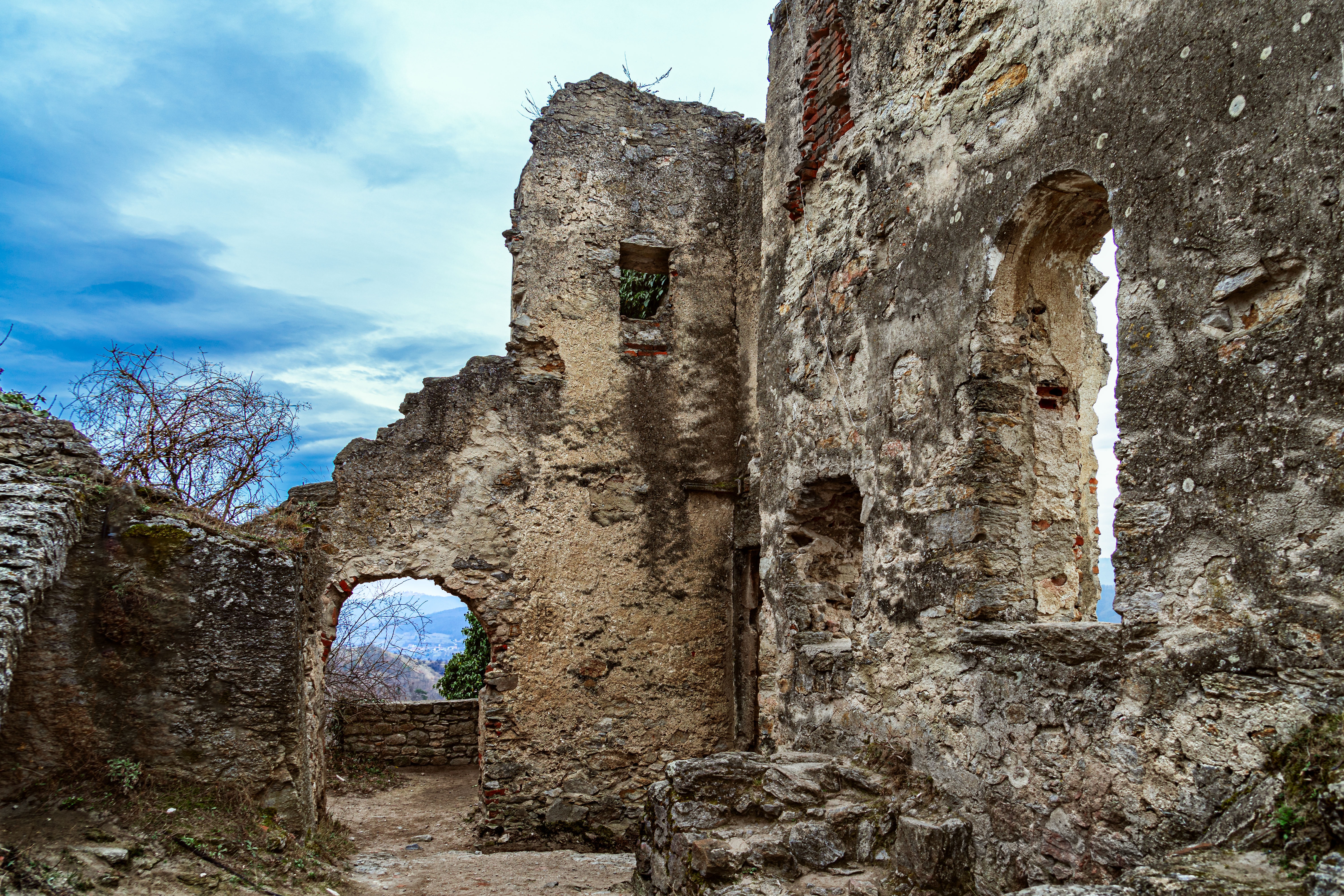


Dürnstein Castle
Dürnstein Castle, known as "Burg Dürnstein" in German, is a historic fortification nestled on a rocky outcrop overlooking the Danube River in Lower Austria. This picturesque castle is part of the Wachau Valley, a UNESCO World Heritage site known for its stunning landscapes, vineyards, and charming towns. Dürnstein Castle's origins date back to the 12th century, with its first documented mention in 1140. It was built by the Babenberg dynasty as a strategic defensive structure to protect the region and control trade routes along the Danube.
Throughout its history, Dürnstein Castle has witnessed numerous sieges and battles. One of the most notable events associated with the castle is the capture of King Richard the Lionheart of England during the Third Crusade in 1192. King Richard was ambushed and imprisoned by Duke Leopold V of Austria. He was held captive in Dürnstein Castle while waiting for a ransom to be paid. This incident is a testament to the castle's strategic importance and its role in the larger geopolitical intriques of medieval Europe.
In the years following Richard's capture, Dürnstein Castle continued to play a significant role in regional power struggles. Throughout the 13th and 14th centuries, the Babenbergs strengthened their foothold in the area, but after the extinction of their line, the castle came under the control of various noble families, including the Kuenring family, who further enhanced the castle's fortifications. The castle proved to be an essential military stronghold during the conflicts between the Habsburgs and the Ottomans in the 15th and 16th centuries.
The castle's architecture exhibits a mixture of Romanesque and Gothic styles, with robust fortifications that exemplify the military architecture of the medieval age. As the need for military defense diminished, Dürnstein Castle saw a decline in its significance. By the late Middle Ages, the castle was gradually abandoned, and its once-proud walls fell into disrepair. The shift from a military function to a symbolic one reflected the broader changes in European warfare and territorial control.
During the 19th century, interest in Dürnstein Castle grew as tourists began to flock to the Wachau Valley for its natural beauty and cultural heritage. Romanticism played a significant role in revitalizing interest in castles and ruins from the medieval period. Artists and writers, including the poet Lord Byron, were inspired by the castle's romantic ruins, which further cemented its place in popular imagination and literature.
Today, Dürnstein Castle is a popular tourist destination, drawing visitors from around the world to explore its rich history and stunning vistas. Visitors can hike to the castle ruins, which offer breathtaking panoramic views of the Danube River and the surrounding landscape. The hike itself is a journey through history, with well-preserved paths that reflect the castle's storied past. Guided tours provide insights into the castle's architectural features and its role in medieval history.
The surrounding village of Dürnstein, known for its beautiful baroque church and charming streets, complements the castle's allure. Wine production in the region, particularily the famous Grüner Veltliner, enriches the local culture. The connection between the castle and the vineyards symbolizes the transition from a pure military stronghold to a peaceful locale celebrating history, culture, and gastronomy.
In essence, Dürnstein Castle stands as both a monument to the tumultuous history of medieval Europe and a serene symbol of the beautry and charm of the Wachau Valley. Its walls may be weathered and its battlements crumbled, but Dürnstein remains a powerful reminder of the past, showcasing how history can transform a site of conflict into a location of cultural significance and natural beauty. As visitors explore its grounds, they not only connect with the echoes of battles once fought but also with the enduring spirit of a timeless landscape.