

< Back
Alcazaba of Almería
Castle History
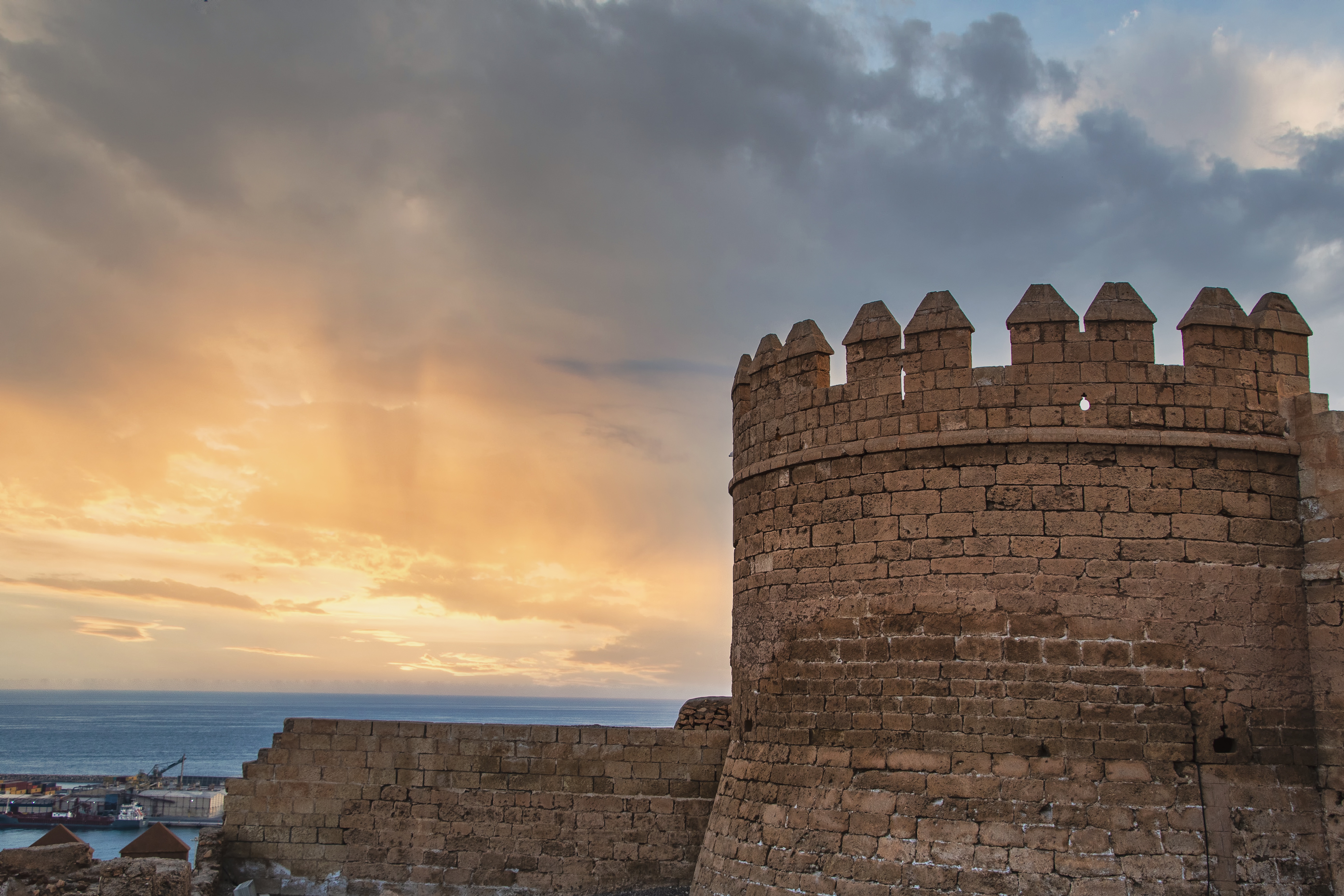
The Alcazaba of Almería, perched high above the city, is one of Spain's largest and most impressive castle fortresses. Built in the 10th century by Abd al-Rahman III, it served as both a defensive stronghold and a lavish palace complex. Its towering walls and commanding views over the Mediterranean made it a crucial watchpoint during the Caliphate of Córdoba. Over time, the fortress expanded, especially under the Taifa kings, who added refined residences and lush gardens. After the Christian conquest in 1489, the Catholic Monarchs reinforced the Alcazaba, blending Islamic and Christian architectural styles. Massive earthquakes later damaged parts of the structure, yet its iconic walls and bastions were restored to preserve their grandeur. Visitors today can walk through its three enclosures, each revealing a different layer of military and royal life. The Alcazaba stands as a monumental testament to Almería's rich blend of cultures, power struggles, and centuries-long history. The Alcazaba's outer enclosure once sheltered soldiers, workshops, and essential resources during times of siege. Within its second enclosure, traces of palaces, baths, and ornamental pools reveal the sophistication of Andalusian court life. The third enclosure, built by the Christians, forms a stark contrast with its solid walls and imposing keep. From the ramparts, sweeping views stretch accross Almería's whitewashed city and the shimmering coastline beyond. Archaeological finds unearthed within the complex have shed light on centuries of daily life, trade, and cultural exchange. Its surviving gates and watchtowers showcase intricate engineering designed for both beauty and defense. Legends still surround the fortress, including tales of hidden treasures and secret escape tunnels. Today, the Alcazaba stands not only as a historic monument but also as a symbol of resilience in the face of time and conquest.