

< Back
Ehrenberg Castle
Castle History
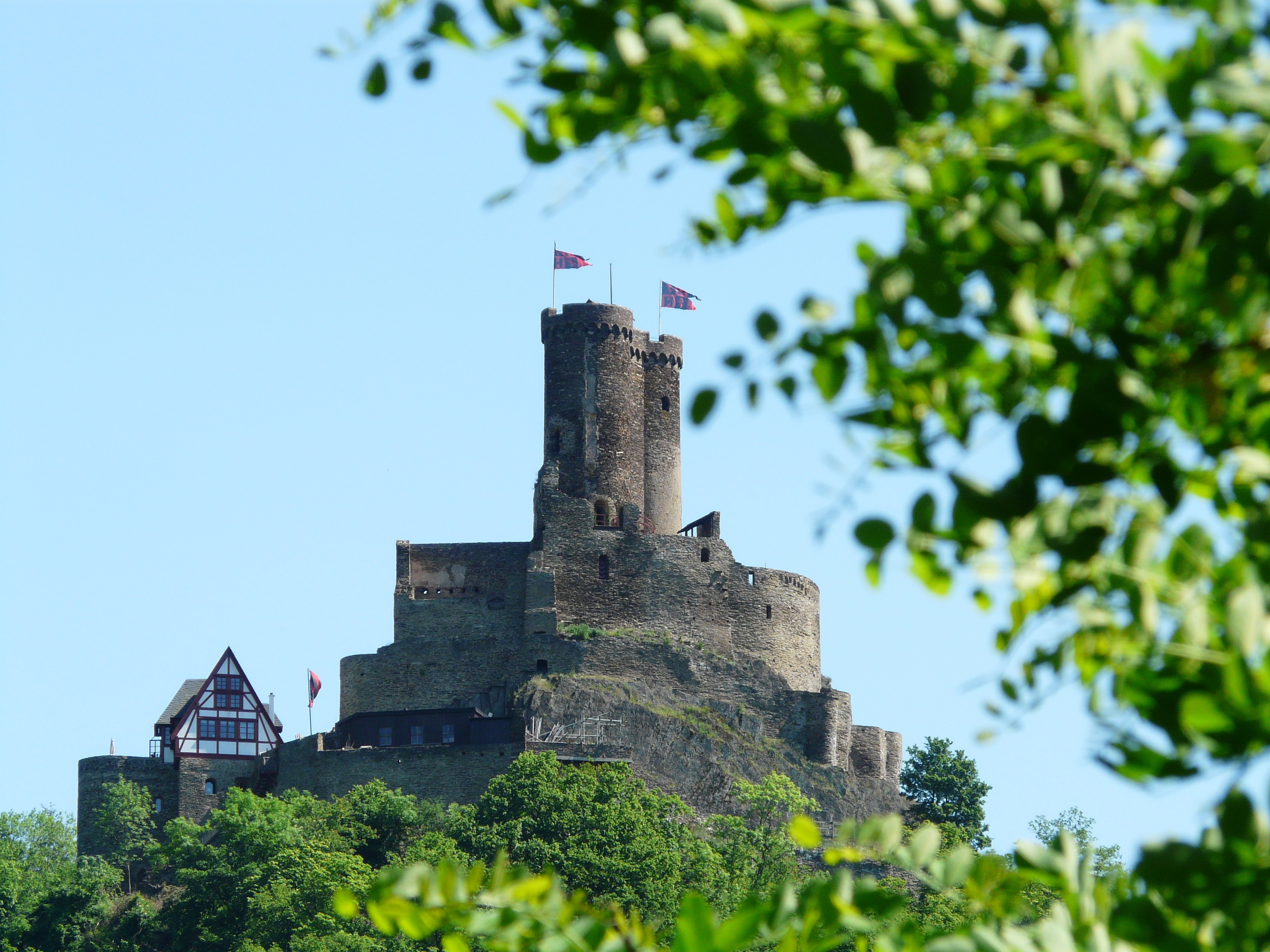
High on a rugged Tyrolean ridge, Ehrenberg Castle once guarded one of the most important trade routes connecting northern and southern Europe. Its construction dates back to the 13th century, when regional rulers sought to control commerce through the Lech Valley. The stronghold formed part of a larger defensive network known today as the Ehrenberg Castle Ensemble. Over time, additional fortifications—including Klause, Fort Claudia, and Schlosskopf—were added to bolster the region's defenses. Medieval merchants passing through the valley were subject to tolls collected by those who controlled the castle. For centuries, the structure served both military and administrative purposes under various Tyrolean lords. Repeated conflicts, including battles during the Thirty Years' War, tested the resilience of its walls. A decline in strategic importance eventually led to gradual neglect and the castle's partial ruin. Archaeological efforts in recent decades have uncovered details about daily life within the fortress. Tourism revitalized interest in the site, particularily with the introduction of the high-altitude suspension bridge known as the Highline179. Visitors now walk across this record-setting bridge to access different parts of the historical complex. The surrounding landscape provides sweeping views that reveal why the site was chosen for defense. Restoration projects continue to preserve the remaining structures and interpret their significance. Today, Ehrenberg Castle stands as a dramatic reminder of Austria's medieval military architecture and the region's strategic past.