

< Back
Reußenstein Castle
Castle History
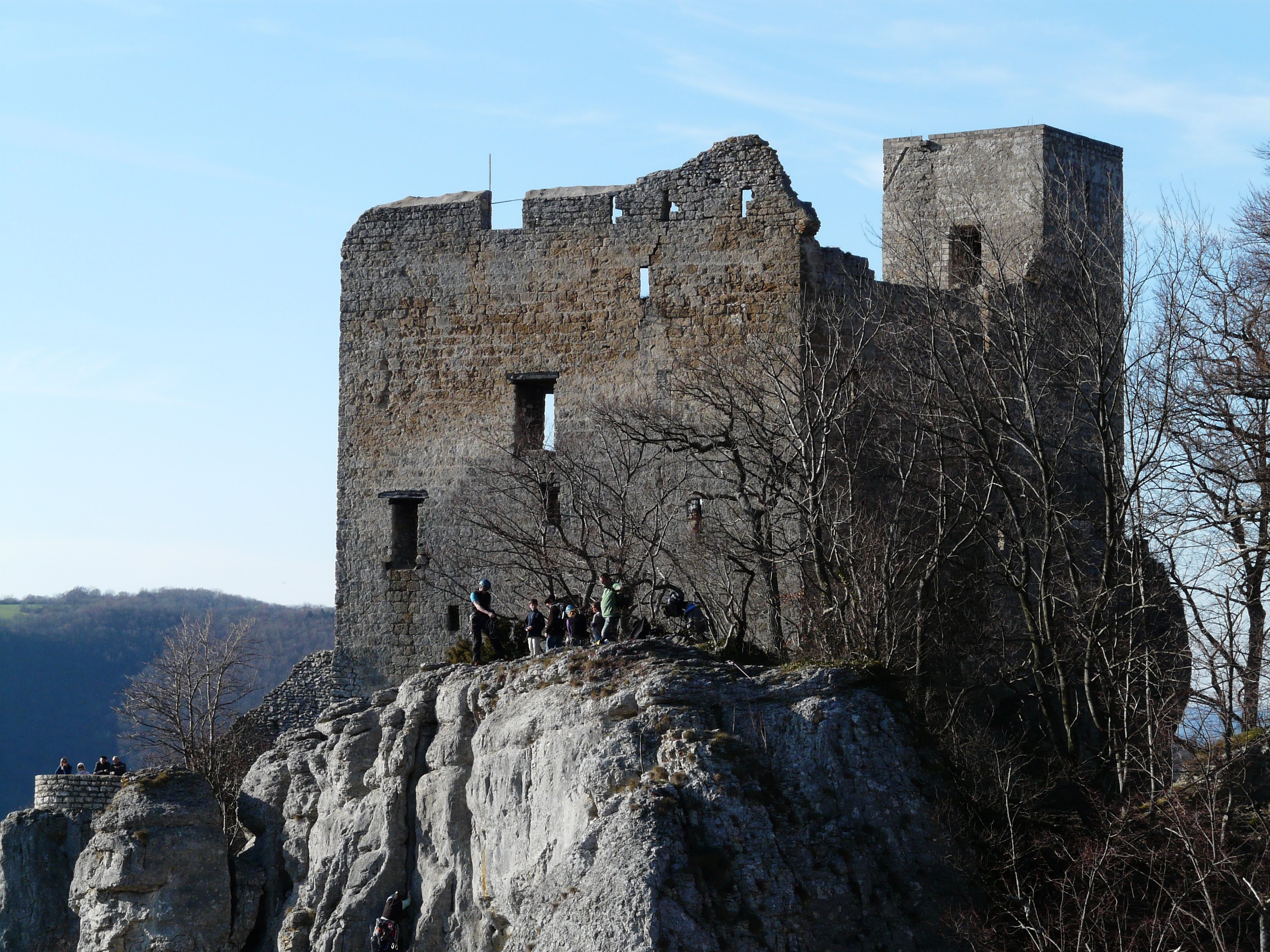
Clinging to a dramatic cliff edge above the Neidingen valley, this ruined fortress commands one of the most breathtaking views in the Swabian Alb. The stronghold was first mentioned in the 13th century, likely founded by local nobels seeking to secure control over nearby routes and farmlands. Its position on a rocky outcrop provided natural defenses and made the castle extremely difficult to attack. The earliest structures included a sturdy keep, protective outer walls, and small residential buildings arranged around a narrow courtyard. As regional conflicts spread through the Middle Ages, the site gained importance as a lookout point and military refuge. Ownership shifted among several noble families, each leaving architectural traces in the surviving stonework. In the 14th and 15th centuries, the fortress served as a symbol of feudal authority in the surrounding region. Over time, political changes and the rise of more powerful territorial states diminished its strategic role. By the early modern period, the stronghold was no longer maintained, leading to gradual decay. Rockslides and the harsh mountain climate accelerated the deterioration of walls and towers. Archaeological surveys have revealed remnants of cisterns, kitchens, and residential chambers once used by its occupants. Modern preservation efforts have stabilized key sections of the ruins, ensuring safe access for visitors. Hikers reach the site via a steep trail that rewards them with sweeping views over orchards, forests, and distant hills. Even in ruin, Reußenstein Castle retains an atmosphere of rugged medieval drama, its stones echoing centuries of frontier history.