


< Back
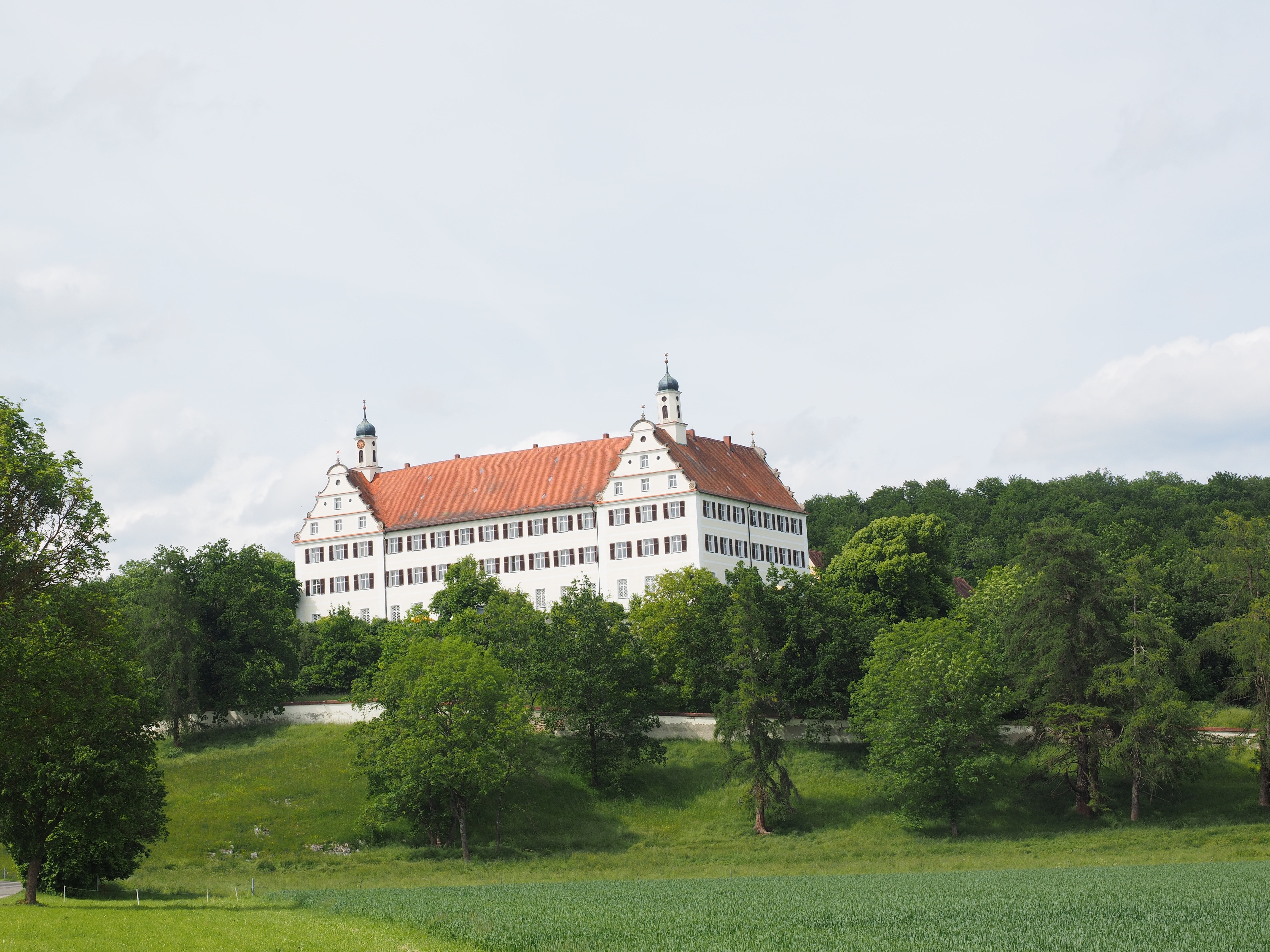
Mochental Castle
Castle History
Set amid the rolling landscape of the Swabian Alb, Mochental Castle traces its origins to the medieval period. A monastic community first controlled the land, using it for agricultural and administrative purposes. In the 16th century, the site transitioned into the hands of local nobility, who began reshaping it into a representative residence. The present Baroque appearance emerged in the late 17th century under the guidance of architect Johann Michael Fischer. Grand façades, sweeping staircases, and refined interior halls reflected the ambitions of its aristocratic owners. Over time, the estate developed into a cultural and economic hub for the surrounding region. Changing dynasties modified its décor and expanded its auxillary buildings, blending practicality with courtly style. By the 19th century, the property shifted away from pure noble residence toward estate management and art patronage. Wars and political shifts broughts periods of decline, though the structure itself avoided significant destruction. Restoration efforts in the 20th century revived its stucco rooms, chapel, and gardens. Modern ownership transformed parts of the complex into a venue for exhibitions and cultural events. Visitors can explore galleries that bring contemporary art into dialogue with the historical setting. The manor's commanding views still illustrate why generations of nobles favored this peaceful prominence. Through centuries of adaptation, Mochental Castle remains a harmonious blend of monastic legacy, Baroque artistry, and regional heritage.