


< Back
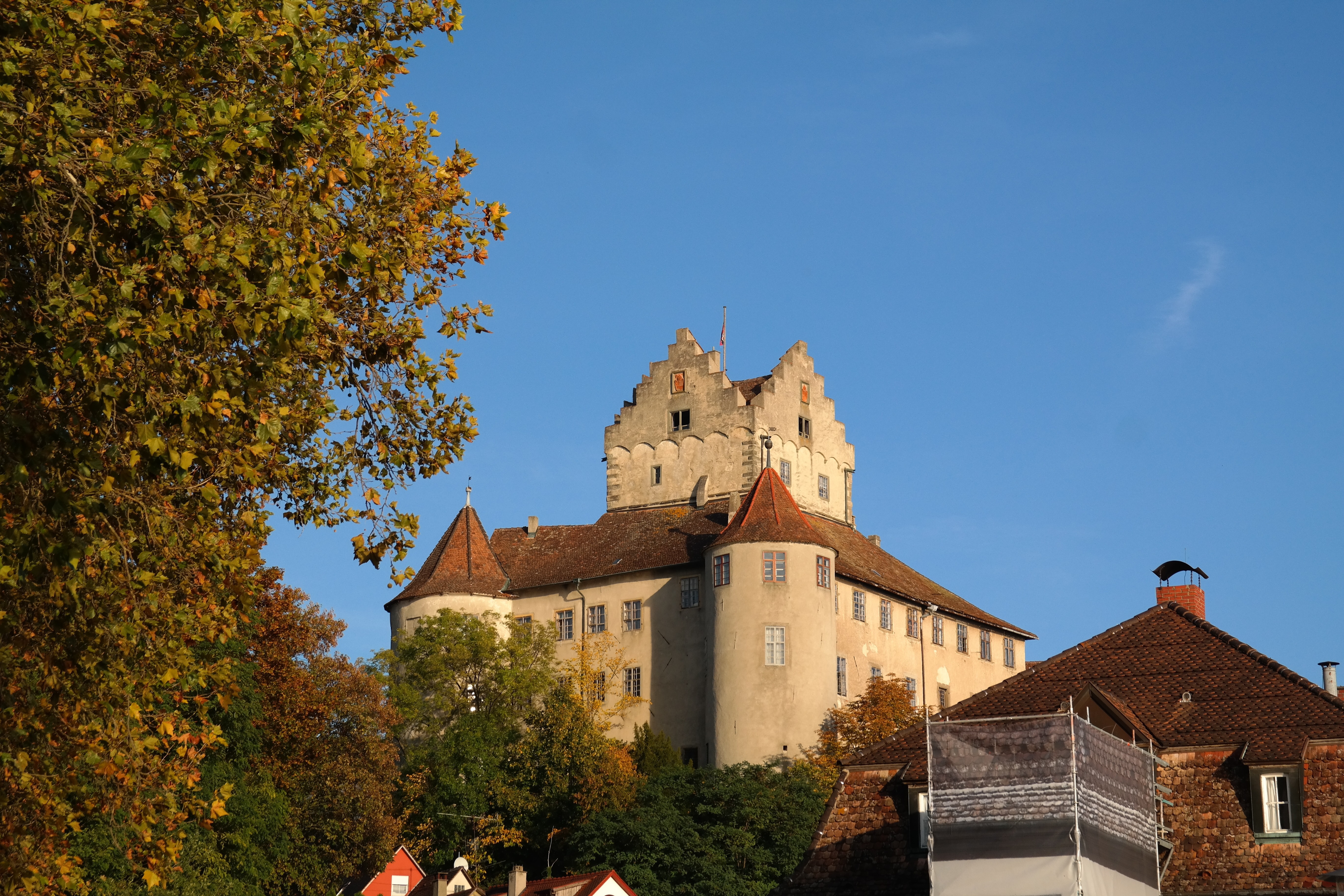
Meersburg Castle
Castle History
Rising above the shores of Lake Constance, this ancient fortress is considered one of Germany's oldest continually inhabited castles. Its origins trace back to the 7th century, when Merovingian builders are believed to have established the first fortified structure on the site. Over the Middle Ages, successive rules expanded the complex with towers, battlements, and residential wings. For centuries it served as the seat of the Bishops of Constance, who transformed it into both a defensive stronghold and a comfortable ecclesiastical residence. The keep, known as the Dagobert Tower, remains one of its most iconic early features. In the Baroque period, interior rooms were redesigned to reflect more refined tastes and courtly life. The surrounding town flourished under the protection and influence of the castle's powerful occupants. During the 18th and 19th centuries, the fortress attracted notable cultural figures, including the poet Annette von Droste-Hülshoff, who spent her final years living and writing within its walls. Turbulent political shifts, including secularization, eventually ended the bishops' rule and ushered in new private ownership. Despite these changes, the structure retained much of its medieval core. Extensive preservation work in the 20th century ensured that its timbered halls, armory, and chapel remained open for public exploration. Visitors today can walk through rooms staged with historic furnishings, offering a vivid sense of medieval life. From its terraces, sweeping views of Lake Constance reveal the strategic advantages that shaped its long history. Through its layered past, the stronghold stands as a rare living connection to early medieval Europe.