


< Back
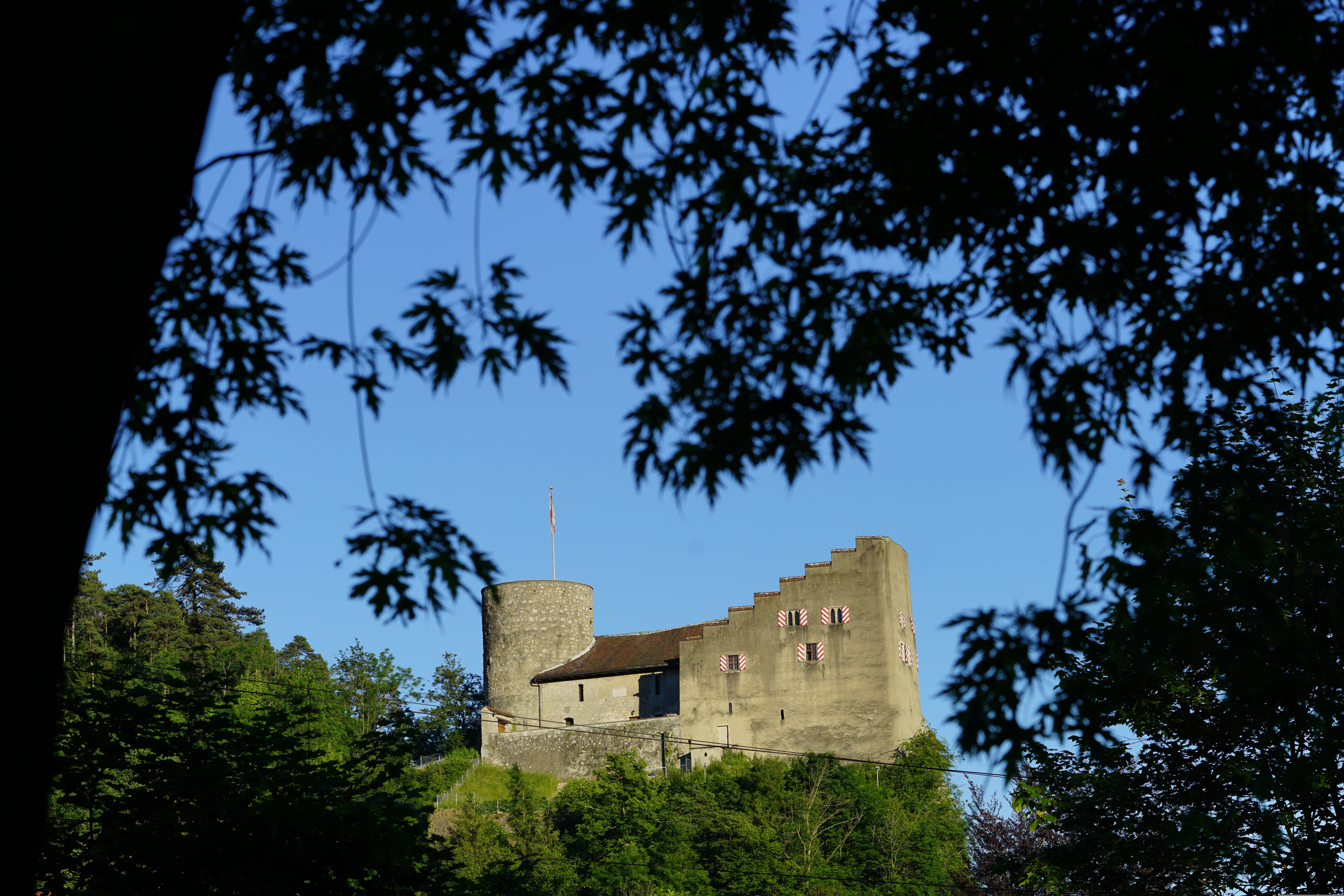
Hohenburg Castle
Castle History
High on a rocky spur overlooking the surrounding valleys, Hohenburg Castle once played an important defensive role in the region. Its origins date back to the 11th or 12th centuries, when local nobles established a fortified seat to control nearby lands and routes. The elevated position provided natural protection, reducing the need for extensive artificial defenses. Early structures likely included a central keep, curtain walls, and basic residential buildings. Throughout the Middle Ages, Hohenburg Castle served as both a military outpost and a symbol of feudal authority. Ownership passed between various noble families, reflecting the shifting political landscape of medieval Germany. Regional conflicts and feuds occasionally brought damage, prompting repairs and modifications to the fortifications. As warfare evolved and gunpowder weapons became dominant, the castle's strategic value steadily declined. By the late medieval or early modern period, it was gradually abandoned as a permanent residence. Stones from the ruins were sometimes reused for construction in nearby villages. Centuries of weathering reduced much of the complex to fragmented walls and foundations. Archaeological investigations have helped reconstruct the original layout and phases of construction. Today the ruins offer panoramic views that explain why the location was once so strategically prized. Hohenburg Castle's surviving remains stand as a quiet reminder of medieval power, territorial control, and the passage of time.