


< Back
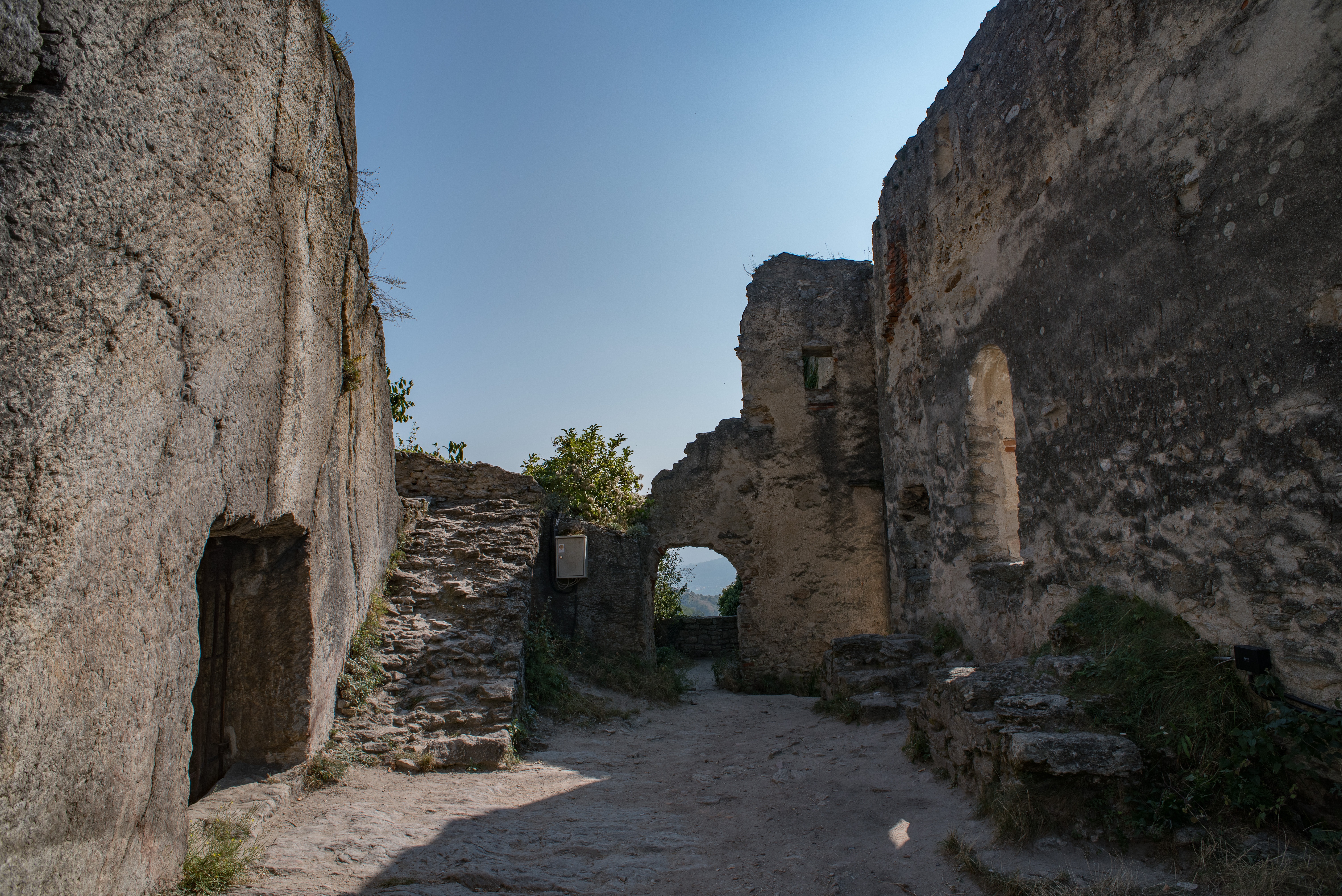
Dürnstein Castle
Castle History
High above the Danube in the Wachau Valley, the dramatic ruins of Dürnstein Castle dominate the surrounding vineyards. The fortress was constructed in the 12th century by the Kuenringer family, a powerful noble house in medieval Austria. Its strategic position allowed control over river traffic and trade along the Danube. The castle entered European legend in 1192, when Richard the Lionheart was imprisoned here while returning from the Third Crusade. His captivity shocked Christendom and fueled tales of ransom, loyalty, and betrayal. According to legend, the minstrel Blondel discovered the king's location by singing outside the walls. Although the story is likely romanticized, it cemented the site's fame across Europe. After Richard's release, the fortress continued to serve as an important defensive and administrative center. Repeated conflicts in later centuries weakened its military significance. By the 17th century, the castle was largely abandoned. Its ruins were eventually damaged during the Thirty Years' War. Stone from the structure was reused by local villagers over time. Romantic artists and travelers of the 19th century helped revive interest in the site. The crumbling walls became a symbol of medieval legend and poetic decay. Today, a steep path leads visitors through the ruins to sweeping views of the Danube below. Vineyards, river bends, and historic villages unfold from the summit. Dürnstein Castle's enduring ruins stands as one of Austria's most evocative reminders of crusader kings, medieval power, and legendary imprisonment.