


< Back
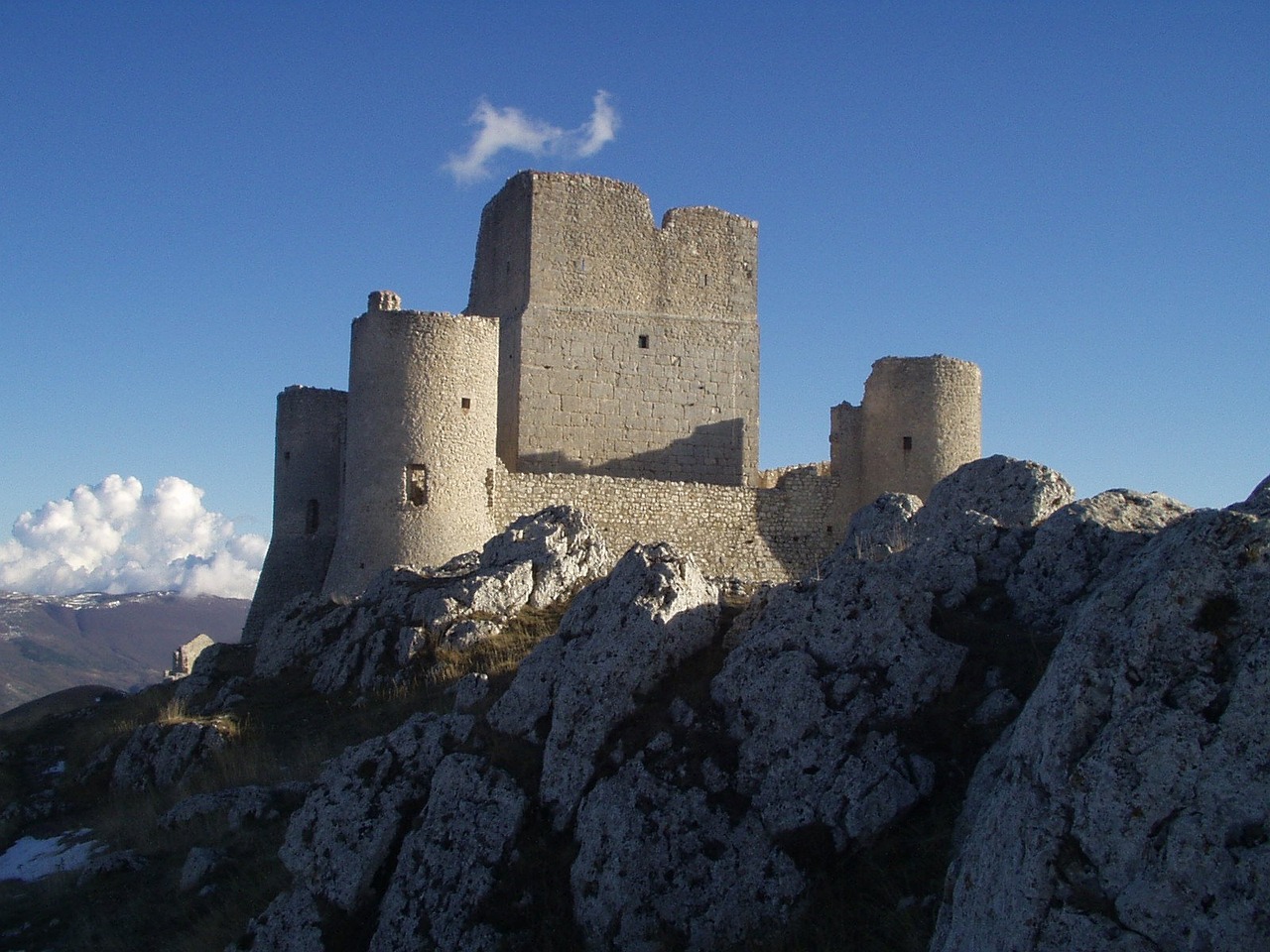
Forte Spagnolo
Castle History
Dominating the skyline of L'Aquila, this massive fortress is one of Italy's most impressive examples of Renaissance military architecture. Forte Spagnolo's construction began in 1534 under Spanish rule, commissioned to assert control over the rebellious city following local uprisings. Engineers designed it with thick bastions, deep moats, and angular walls to withstand cannon fire and sieges. The fortress was strategically placed on a hill overlooking the surrounding plains, ensuring dominance over approaches to the city. Built primarily from local stone, the structure combines strength with imposing visual impact. During its history, it served both as a military garrison and as a prison for political dissidents. The fortress' interior includes vast courtyards, underground chambers, and labyrinthine passageways. In the 17th and 18th centuries, it continued to play a central role in regional security, adapting to evolving warfare technologies. Earthquakes over the centuries caused damage, necessitating extensive repairs and reconstructions. During the Napoleonic era, it briefly housed occupying troops, further embedding its role in European conflicts. The surrounding city grew up around its walls, linking civic life with military presence. Modern restoration has preserved its massive ramparts, towers, and defensive features for visitors to explore. Cultural events and exhibitions now bring life to its historic courtyards and halls. The fortress stands as a vivid reminder of Spanish influence in Italy, Renaissance engineering, and the enduring resilience of L'Aquila. Forte Spagnolo's commanding presence continues to awe visitors, blending military might, architectural brilliance, and centuries of turbulent history.