

< Back
Aljafería Castle
Castle History
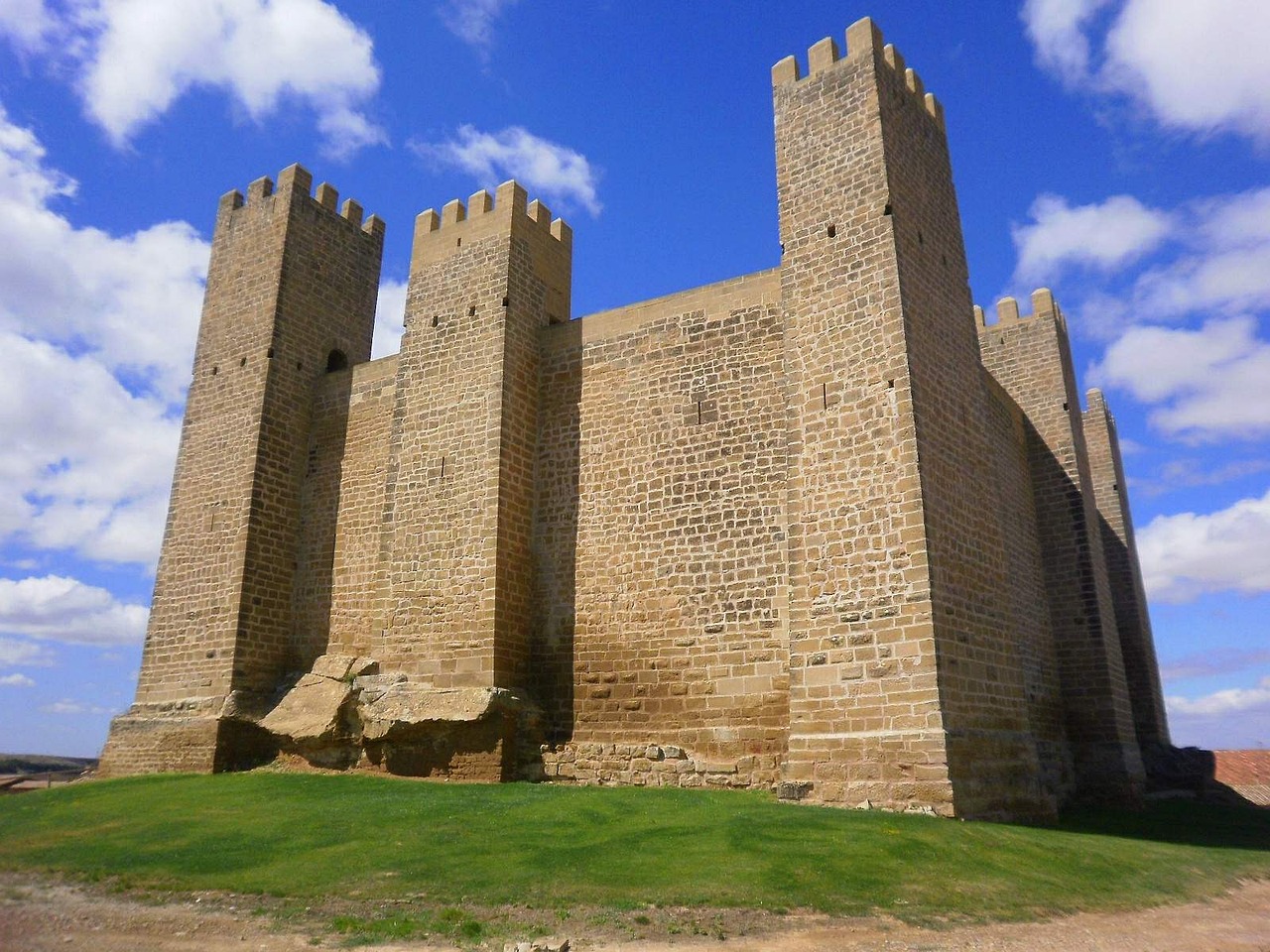
Rising within the city of Zaragoza, this remarkable palace-fortress is one of the finest surviving examples of Islamic architecture in Spain. Aljafería Castle's origins date to the 11th century, when it was built as a pleasure palace for the taifa ruler Abu Ja'far al-Muqtadir. The complex was designed to combine luxury with defense, reflecting both royal authority and refined taste. Ornate horseshoe arches, carved stucco, and intricate geometric patterns adorned its interiors. The palace gardens and courtyards were conceived as a tranquil retreat within fortified walls. Following the Christian reconquest of Zaragoza in 1118, the structure was adapted for new rulers. Aragonese kings transformed sections into a royal residence while preserving many Islamic elements. Over time, Gothic and Mudéjar features were added, creating a unique architectural fusion. In the 15th century, the Catholic Monarchs commissioned further renovations to assert royal power. The complex later became a military barracks, altering its original character. Periods of neglect and damage followed as its political importance declined. Restoration efforts in the 20th century uncovered and preserved its layered history. Today, the palace serves as the seat of the Aragonese parliament. Visitors can explore halls where Islamic, medieval, and Renaissance styles coexist. The fortress stands as a rare testament to cultural exchange and coexistence in medieval Spain. Aljafería Castle's enduring walls reflect centuries of transformation, power shifts, and artistic brilliance.