


< Back
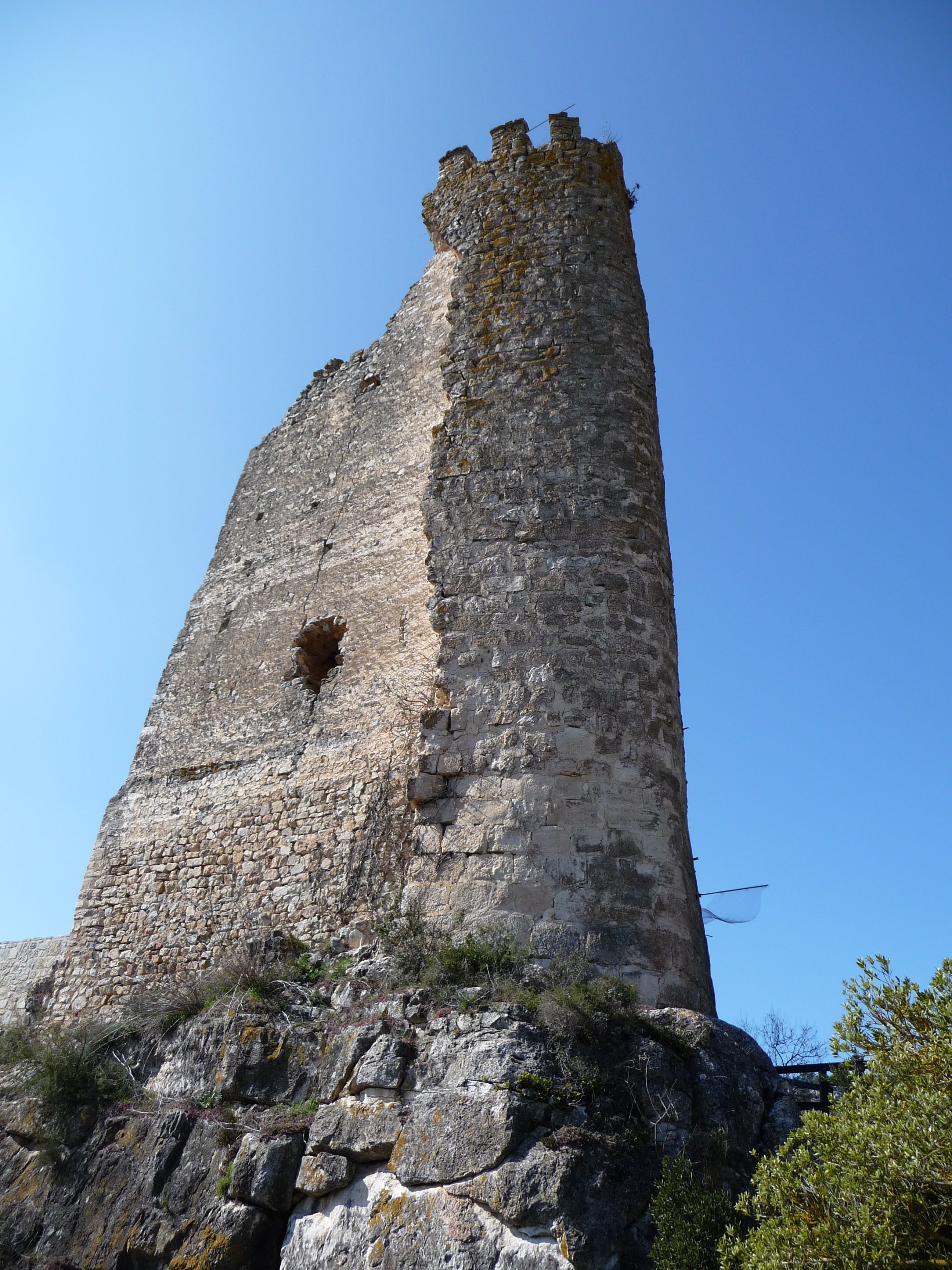
Santa Perpètua de Gaià Castle
Castle History
Overlooking the Gaià River valley in Catalonia, Santa Perpètua de Gaià Castle once guarded a vital frontier between rival powers. Its origins lie in the early Middle Ages, when it formed part of the defensive line between Muslim Al-Andalus and the Christian counties to the north. The castle was strategically placed to monitor movement along inland routes toward the Mediterranean coast. Early fortifications were likely simple, relying on height and visibility rather than elaborate construction. Following the Christian reconquest in the 11th century, the site was strengthened with stone walls and towers. It became an important feudal seat controlling surrounding lands and villages. The fortress played a role in regional conflicts during the consolidation of the County of Barcelona. As borders stabilized, its military importance gradually declined. By the late Middle Ages, the castle was no longer a frontline defense. Maintenance waned as noble families shifted their residences elsewhere. Earthquakes, weather, and stone removal accelerated its decay over the centuries. Despite this, sections of walls and foundations still trace the original layout. The elevated position continues to offer commanding views across the countryside. Archaeological studies have helped clarify its role in Catalonia's medieval frontier system. Local traditions preserve memories of battles, lords, and vanished power. Today, Santa Perpètua de Gaià Castle's ruins stand as a quiet monument to border warfare, feudal authority, and the shifting history of medieval Spain.