


< Back
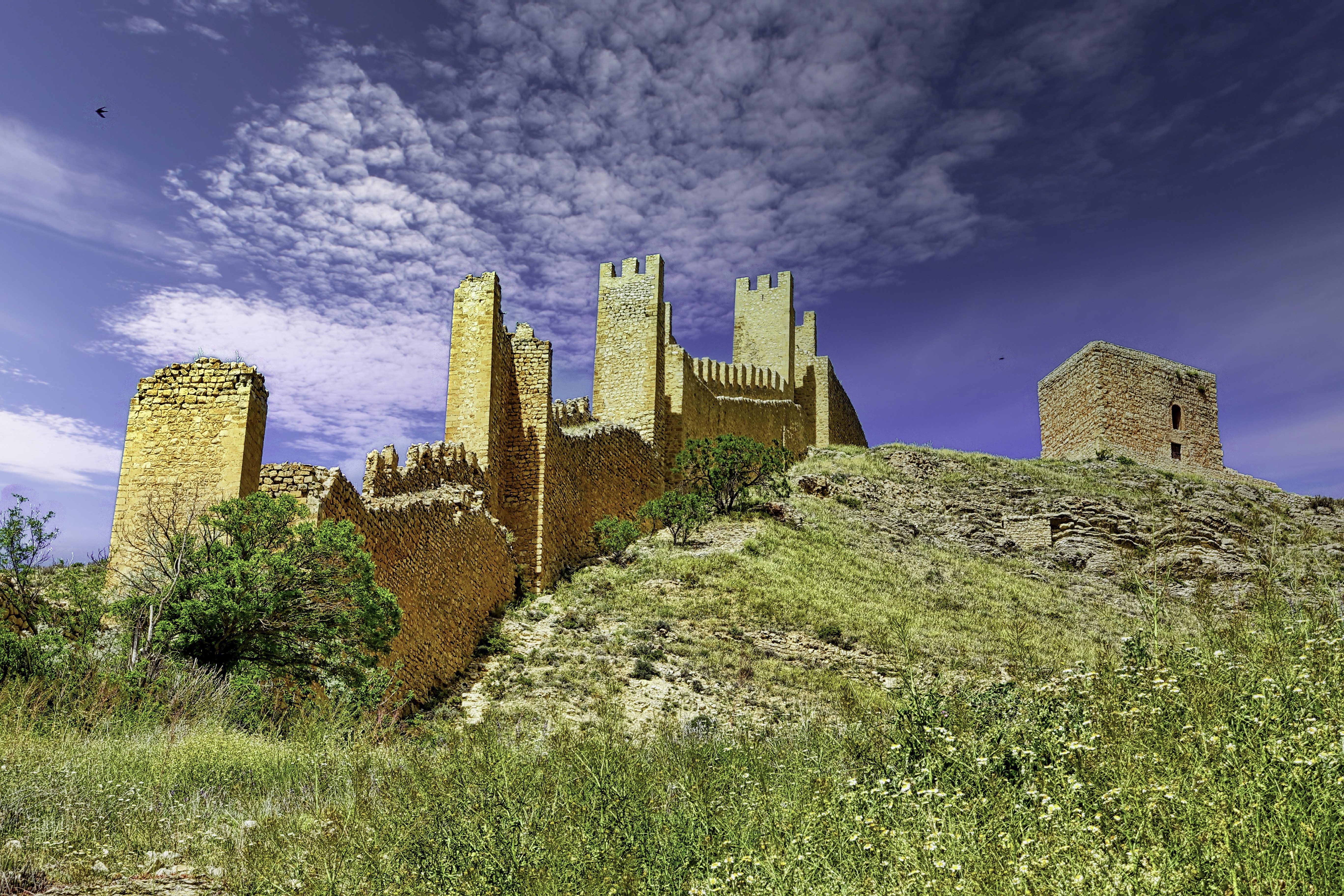
Albarracín Castle
Castle History
Clinging dramatically to a rugged ridge above the Guadalaviar River, this fortress dominates one of Spain's most striking medieval landscapes. Albarracín Castle's origins trace back to Islamic rule in the 10th century, when the site formed part of a defensive network guarding the taifa of Albarracín. For a time, the stronghold stood at the center of an independent Muslim lordship, unusually free from both Córdoba and later Christian kingdoms. The castle's walls were shaped to follow the jagged contours of the rock, making natural geography a weapon. After Christian forces captured the region in the 12th century, the fortress became a contested prize between Aragon and Castile. King Pedro III of Aragon eventually secured control, folding the stronghold into the Crown of Aragon. Medieval engineers strengthened the defenses with towers, battlements, and steep access paths. From its heights, guards could watch for approaching armies across miles of mountainous terrain. The fortress played a key role in controlling trade routes linking the interior of the Iberian Peninsula. As military technology evolved, its strategic importance gradually declined. Despite this, the castle remained a powerful symbol of local authority for centuries. Periods of abandonment allowed parts of the structure to crumble into ruin. Restoration work has stabilized the remaining walls and towers. Walking along the ramparts today reveals sweeping views of red-stone houses clustered below. Archaeological evidence reflects layers of Islamic and Christian occupation. Albarracín Castle's blend of natural drama and human engineering gives it a timeless presence. High above the town, its weathered stones continue to tell a story of independence, conflict, and survival.