


< Back
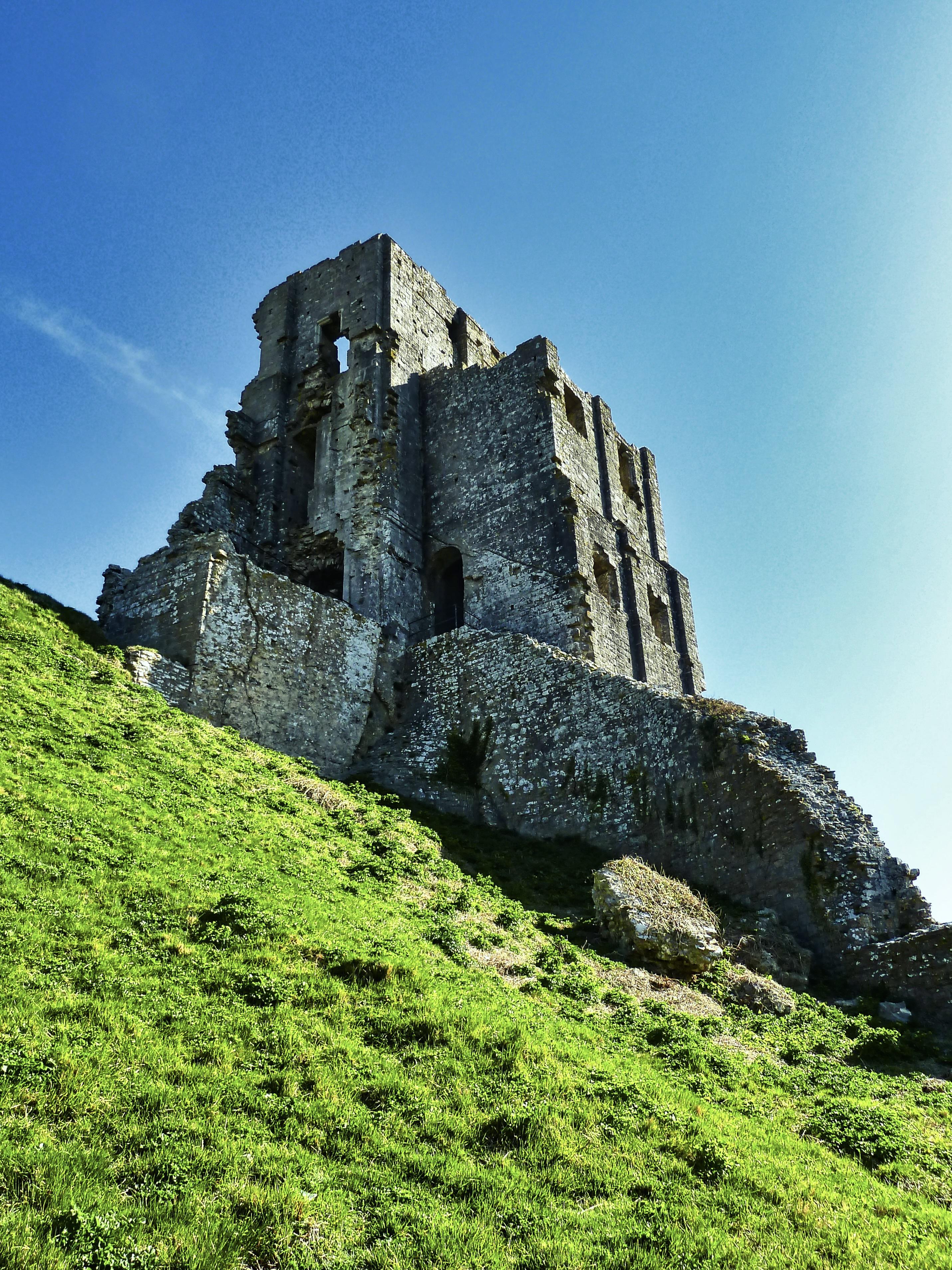
Corfe Castle
Castle History
Rising from a steep gap in the Purbeck Hills, this dramatic ruin commands one of the most strategic passes in southern England. Corfe Castle's origins trace back to the years following the Norman Conquest, when a powerful stone fortress replaced earlier Saxon defenses. The site was closely associated with William the Conqueror, who used it as a royal stronghold and treasury. In the early 11th century, the nearby murder of King Edward the Martyr gave the location a dark and enduring legend. Over centuries, successive monarchs expanded the fortress into a formidable symbol of royal authority. High walls, deep ditches, and massive towers made it one of the strongest castles in medieval England. The stronghold later passed into private hands and became a grand residence as well as a defensive site. During the English Civil War, it emerged as a key Royalist bastion in a largely Parliamentarian region. Lady Mary Bankes famously defended the castle against prolonged sieges with a small garrison. After its eventual capture, Parliament ordered the fortress deliberately destroyed to prevent further military use. The resulting demolition left the castle shattered but hauntingly picturesque. Its jagged towers and broken walls became early inspirations for Romantic artists and writers. The ruins dominate the surrounding village, shaping both its landscape and its identity. Archaeological studies have revealed layers of building phases spanning hundreds of years. Despite Corfe Castle's ruined state, it remains one of the most evocative medieval sites in England. Today, the dramatic remains stand as a monument to loyalty, conflict, and the shifting power of the English crown.