

< Back
Inverness Castle
Castle History
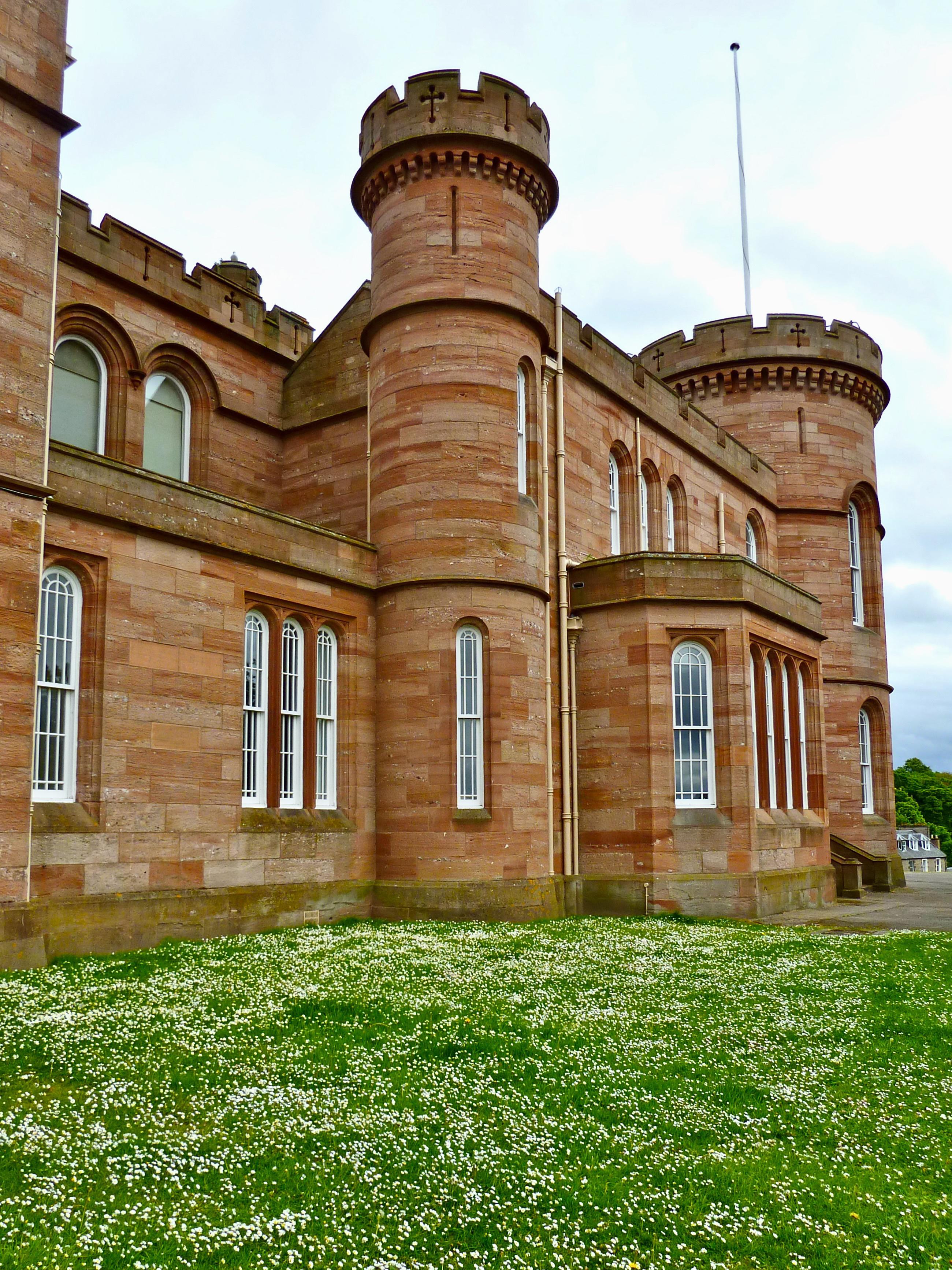
Standing above the River Ness, this commanding stronghold has long symbolized authority in the heart of the Scottish Highlands. Inverness Castle's earliest fortifications date back to the 11th century, when rival clans and kings vied for control of the region. The site is closely linked to Macbeth, who was recorded as holding a fortress here during his reign. Over centuries, repeated destruction and rebuilding reflected the turbulent politics of northern Scotland. Medieval versions of the castle were frequently attacked during clan feuds and royal conflicts. In the 18th century, the fortress became entangled in the Jacobite uprisings that reshaped Britain. After the defeat of the Jacobites, the old structure was deliberately demolished to prevent further rebellion. A new castle was constructed in the 19th century, reflecting Victorian ideals rather than medieval warfare. This later building emphasized civic authority, housing courts and administrative offices. Its red sandstone walls and towers gave it a commanding but more symbolic presence. Unlike many Highland castles, it was not designed as a private noble residence. The site instead became a visible statement of government control in the region. From its elevated position, sweeping views reinforced its role as a watchful guardian of the city. The castle's appearance has remained a defining feature of Inverness's skyline. Modern redevelopment plans aim to reimagine the site as a cultural landmark. Today, Inverness Castle stands as a layered monument to conquest, justice, and the evolving power of the Scottish state.