

< Back
Lochranza Castle
Castle History
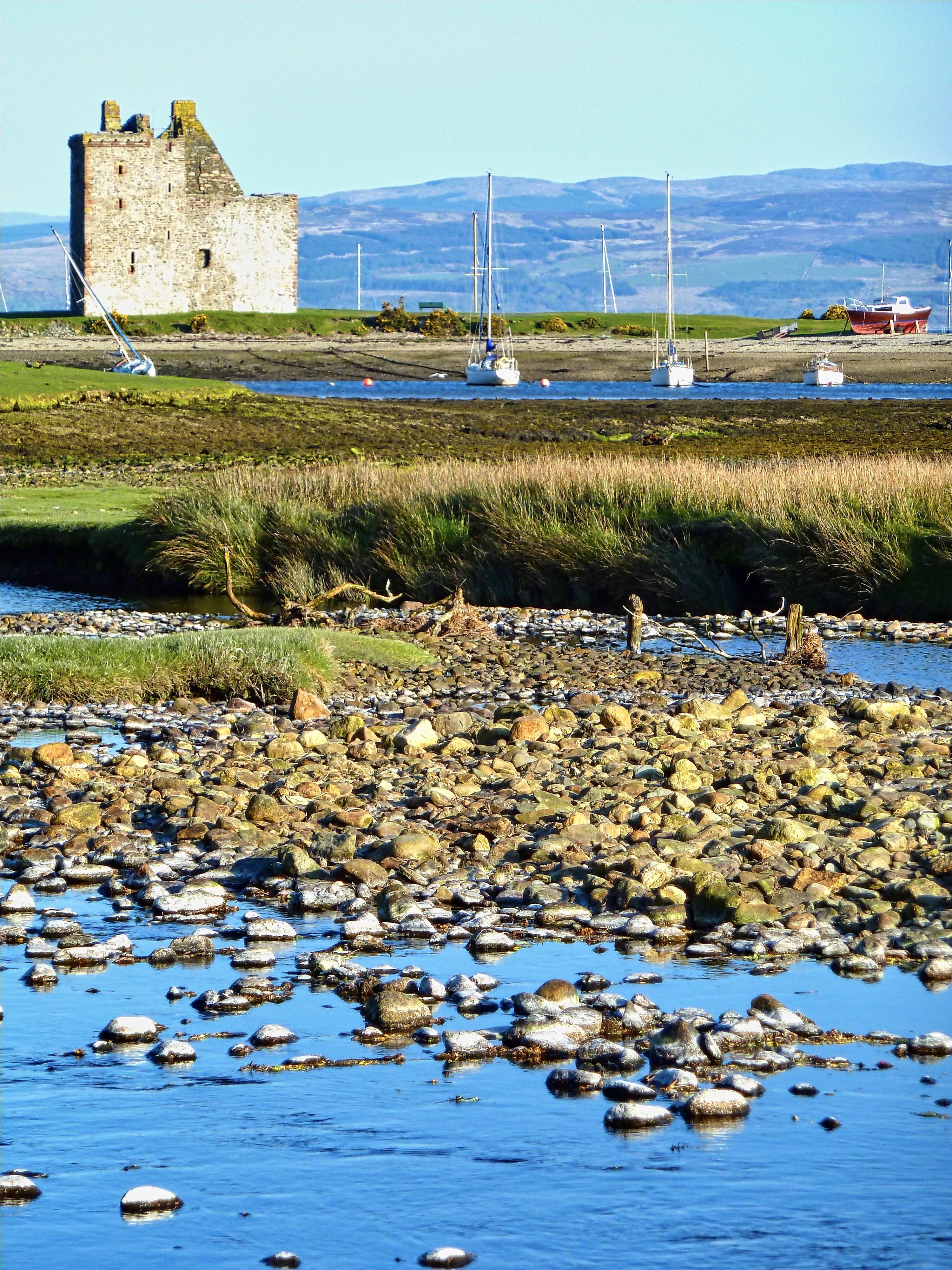
Standing at the head of a quiet sea loch on the Isle of Arran, this compact stone fortress blends seamlessly with mountain and shoreline. Lochranza Castle's strategic position allowed control over maritime routes linking the Clyde with the western seaways. The earliest fortifications likely date to the late 13th century, during a period of intense struggle between Scottish and Norse interests. By the 14th century, a more permanent stone castle had taken shape on the site. The stronghold became associated with the Lords of the Isles, whose power once rivaled that of the Scottish crown. Later, it passed into royal hands as the monarchy tightened its grip on the western islands. Despite its modest size, thick walls and a sheltered harbor made it defensible from both land and sea. The castle served not only as a military outpost but also as a residence for royal officials. Its fortunes declined in the 17th century as warfare and administration shifted elsewhere. Abandonment followed, leaving the structure exposed to weather and time. Unlike many inland ruins, the surrounding sea air added a dramatic sense of isolation rather than decay. Artists and travelers in later centuries were drawn to its romantic setting. The nearby village grew in the castle's shadow, shaped by its long presence. Archaeological studies have revealed clues about daily life within its walls. The ruin's reflection in still waters remains one of Arran's most iconic views. Today, Lochranza Castle stands as a quiet reminder of Scotland's maritime past and the fragile balance between power and landscape.