

< Back
Rock of Cashel
Castle History
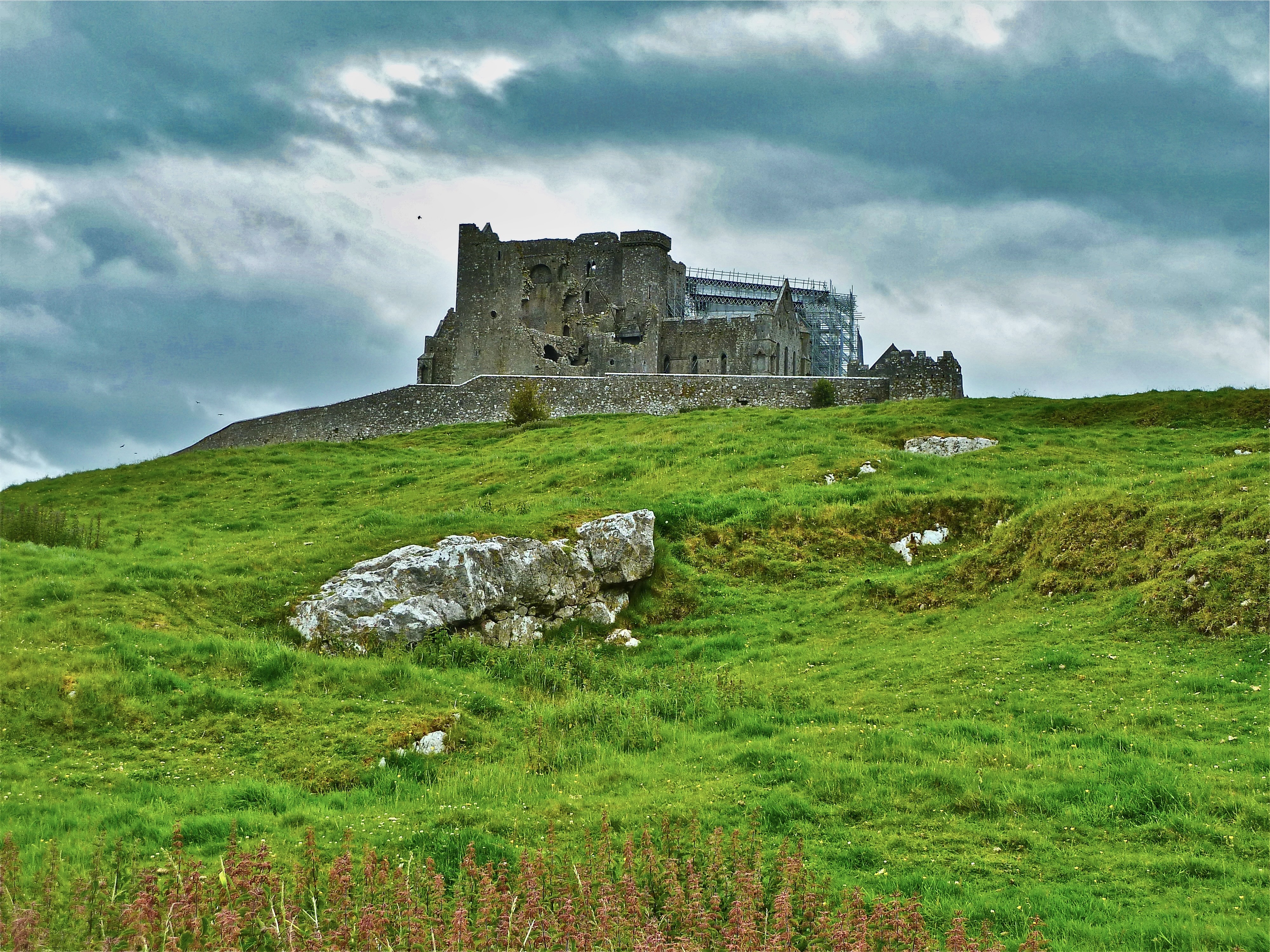
Rising dramatically above the plains of County Tipperary, this iconic limestone outcrop has been a sacred and political center for over a millennium. Long before stone walls crowned its summit, Rock of Cashel was associated with ancient kings and mythic traditions. It served as the ceremonial seat of the Kings of Munster, symbolizing their authority and spiritual power. In the 5th century, the legendary conversion of a king by Saint Patrick is said to have taken place here. Over time, religious significance overtook royal rule as powerful ecclesiastical buildings transformed the hilltop. Romanesque and Gothic structures were added, reflecting changing architectural styles and religious priorities. The site became one of the most important church centers in medieval Ireland. A soaring round tower and a richly carved chapel still dominate the skyline. In the 12th century, control passed to the Church, marking a major shift in Irish governance. Later conflicts between Gaelic lords and English forces brought violence and destruction to the complex. A brutal sack in the 17th century left lasting scars on the buildings and their community. Despite neglect and ruin, the site retained immense symbolic power in Irish history. Antiquarians and nationalists later embraced it as a symbol of Ireland's cultural heritage. Restoration efforts in the modern era have stabilized its most important structures. The dramatic silhouette has inspired artists, writers, and travelers for generations. Today, the windswept ruins stand as one of Ireland's most powerful monuments to faith, kingship, and endurance.