


< Back
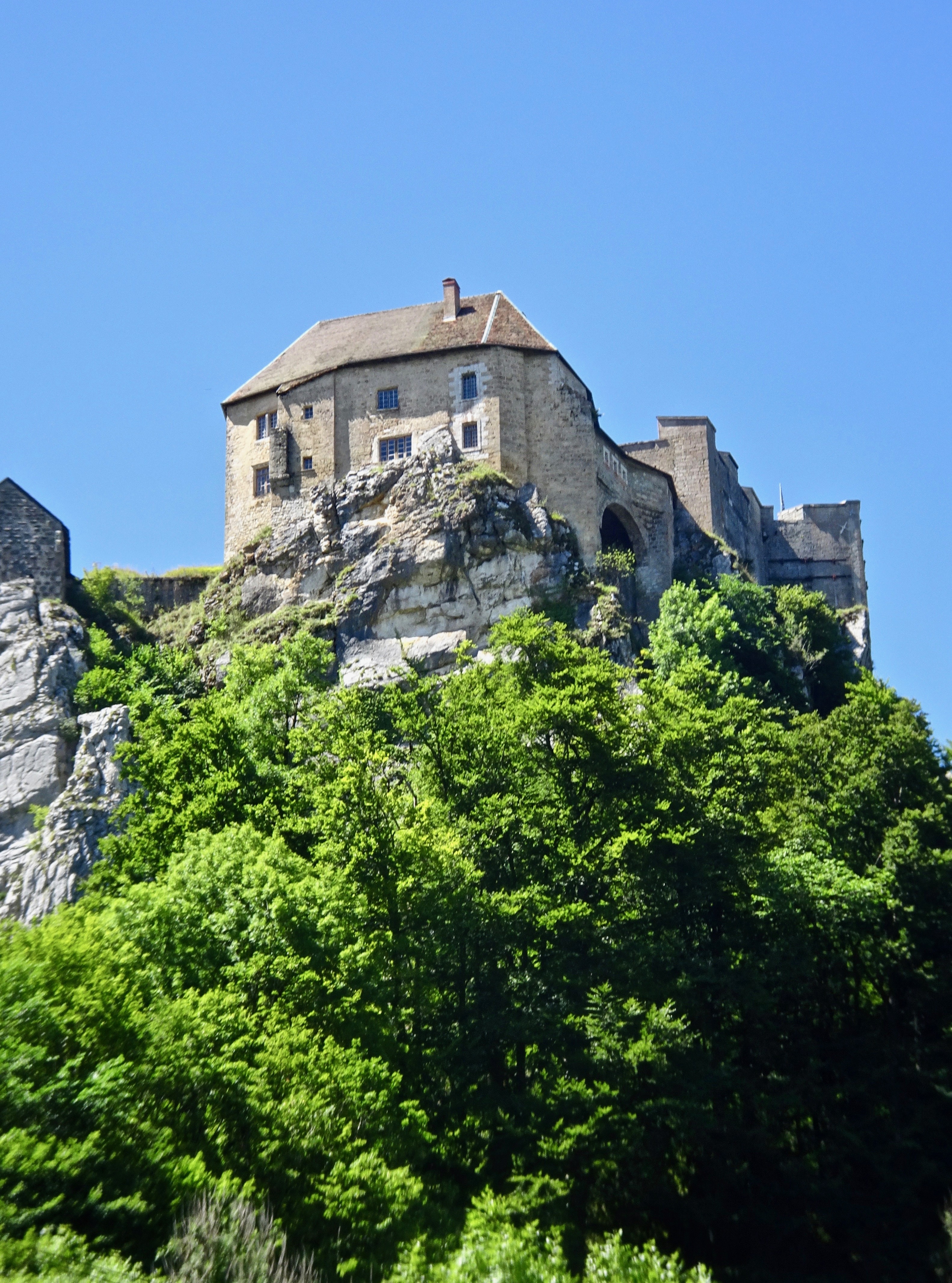
Château de Joux
Castle History
Rising high above a mountain pass in the Jura Mountains, this formidable fortress has guarded one of France's most important routes for centuries. Château de Joux's origins reach back to the 11th century, when a simple wooden fort controlled access between France and Switzerland. Over time, stone walls replaced timber, transforming the site into a powerful medieval stronghold. The castle's strategic position made it essential for regulating trade, armies, and diplomacy across the Alps. Successive lords expanded the defenses, adding towers, curtain walls, and deep ditches. During the early modern period, advances in artillery prompted major redesigns to withstand cannon fire. The fortress became a masterpiece of military engineering rather than noble comfort. In the 17th century, it passed into royal hands, strengthening France's eastern frontier. Later, famed military engineer Vauban contributed to its modernization and defensive layout. The site also gained a darker role as a state prison. One of its most famous inmates was Toussaint Louverture, leader of the Haitian Revolution. Harsh conditions within the fortress reflected its isolation and severe climate. As borders stabilized, the castle gradually lost its military importance. It avoided destruction and remained largely intact through changing political eras. Restoration efforts in the modern age preserved Château de Joux's layered architectural history. Today, the fortress stands as a powerful symbol of control, resistance, and endurance in the mountain landscape.