

< Back
Marienburg Castle
Castle History
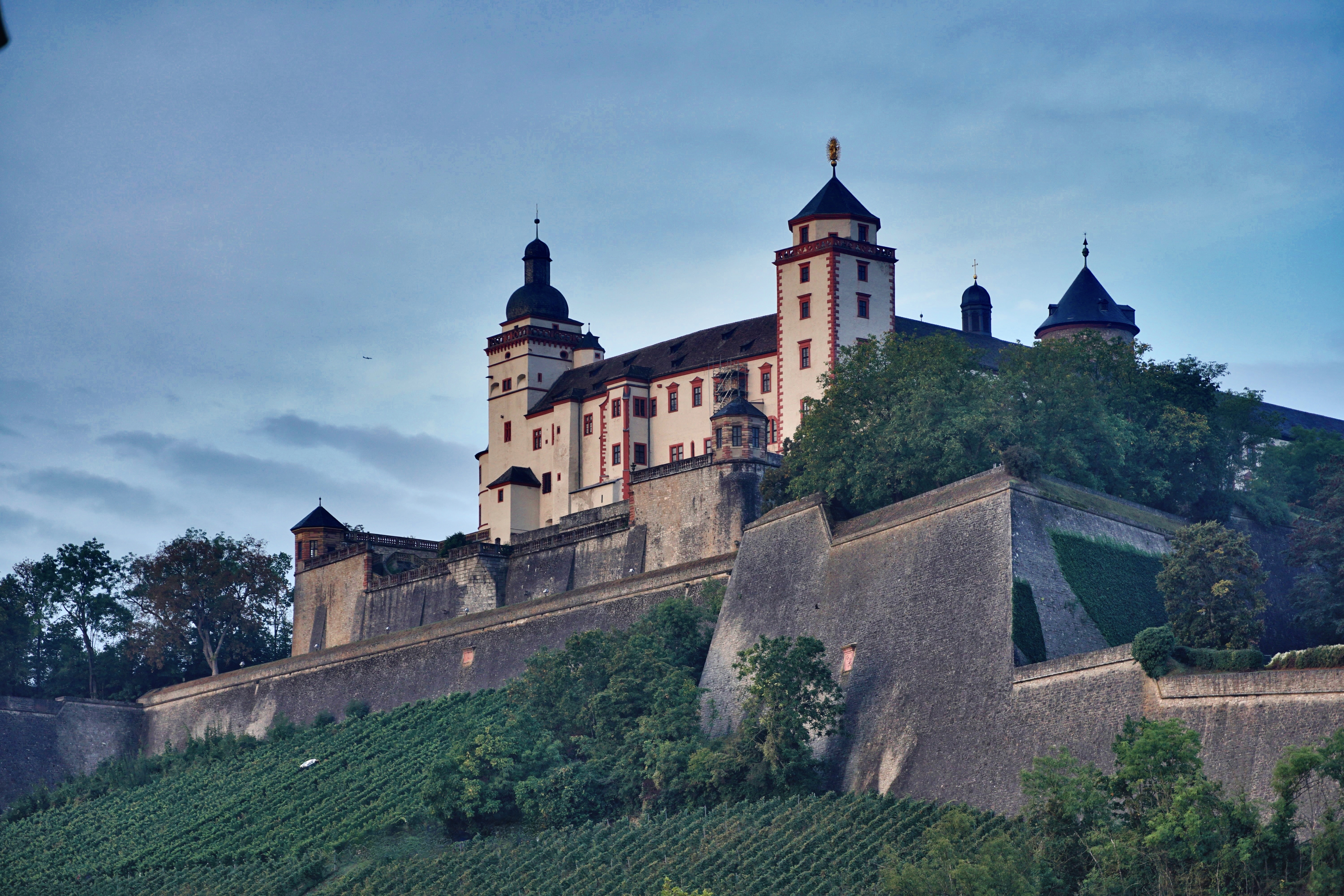
Rising dramatically above the Leine Valley, Marienburg Castle feels less like a fortress born of war and more like a romantic dream carved into stone. Its construction began in the mid-19th century when King George V of Hanover commissioned it as a lavish gift for his wife, Queen Marie. Unlike medieval strongholds, this castle was designed in the Gothic Revival style, deliberately evoking the chivalric ideals of an imagined Middle Ages. Towers, pinnacles, and pointed arches were arranged for spectacle as much as symbolism, reflecting the era's fascination with history and legend. The interior was equally theatrical, filled with ornate woodwork, stained glass, and richly decorated state rooms. Despite its fairy-tale appearance, the castle's role as a royal residence was surprisingly brief. Political upheaval soon intervened when Hanover was annexed by Prussia in 1866. The royal family fled into exile, leaving the newly completed castle largely uninhabited. For decades, its halls echoed more with absence than courtly life. The structure survived the shifting tides of German history without being repurposed as a military site. In the 20th century, the castle gradually reopened to the public, gaining recognition as a monument of romantic historicism. Its elevated position offers sweeping views that seem designed for contemplation rather than defense. Marienburg's appeal lies in how openly it embraces nostalgia rather than practicality. Marienburg Castle stands as a reminder that not all castles were built for siege and survival. Instead, it represents a moment when architecture was used to preserve identity in the face of political loss. Walking its corridors today feels like stepping into a beautifully frozen farewell to a vanished kingdom.