


< Back
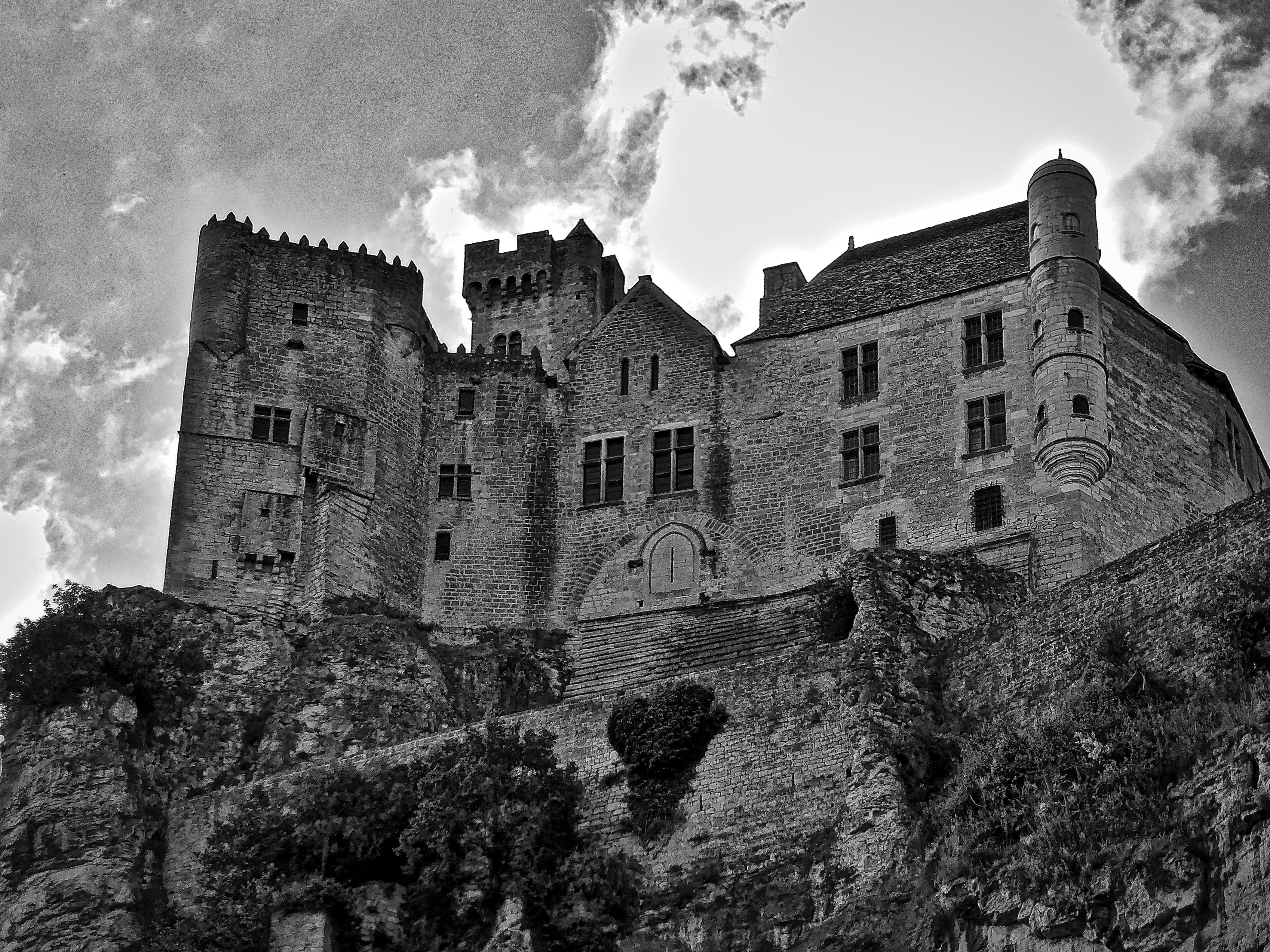
Beynac Castle
Castle History
Clinging to a sheer limestone cliff above the Dordogne River, Beynac Castle commands the landscape with a presence that feels both austere and eternal. Its origins reach back to the 12th century, when stone was stacked not for beauty but for survival in a violent feudal world. The castle's position was chosen with ruthless logic, allowing its defenders to watch every movement along the river below. Massive walls, narrow arrow slits, and steep approaches made assault a grim and costly endeavor. For generations, the fortress belonged to the powerful Beynac family, whose loyalty to the French crown shaped its destiny. During the Hundred Years' War, it stood as a key French stronghold opposing English-held castles across the valley. From its battlements, sentries could reportedly see rival fortresses like Castelnaud, turning the river into a visible line of tension. The interior evolved over centuries, adding more comfortable living quarters without sacrificing defensive strength. Stone staircases and vaulted rooms still carry the weight of medieval footsteps. After the age of sieges faded, the castle avoided total ruin through continued occupation and care. Its survival is partly owed to its intimidating location, which discouraged later destruction or remodeling. Time layered the structure with Romanesque austerity and later medieval refinements. Legends of knights, prisoners, and feudal justice cling to its walls like ivy. In modern times, Beynac Castle has found new life as a historic monument open to visitors. The climb to its heights rewards patience with sweeping views of one of France's most storied valleys. Beynac endures as a rare example of a medieval fortress that still feels capable of war, even in peace.