

< Back
Royal Castle of Amboise
Castle History
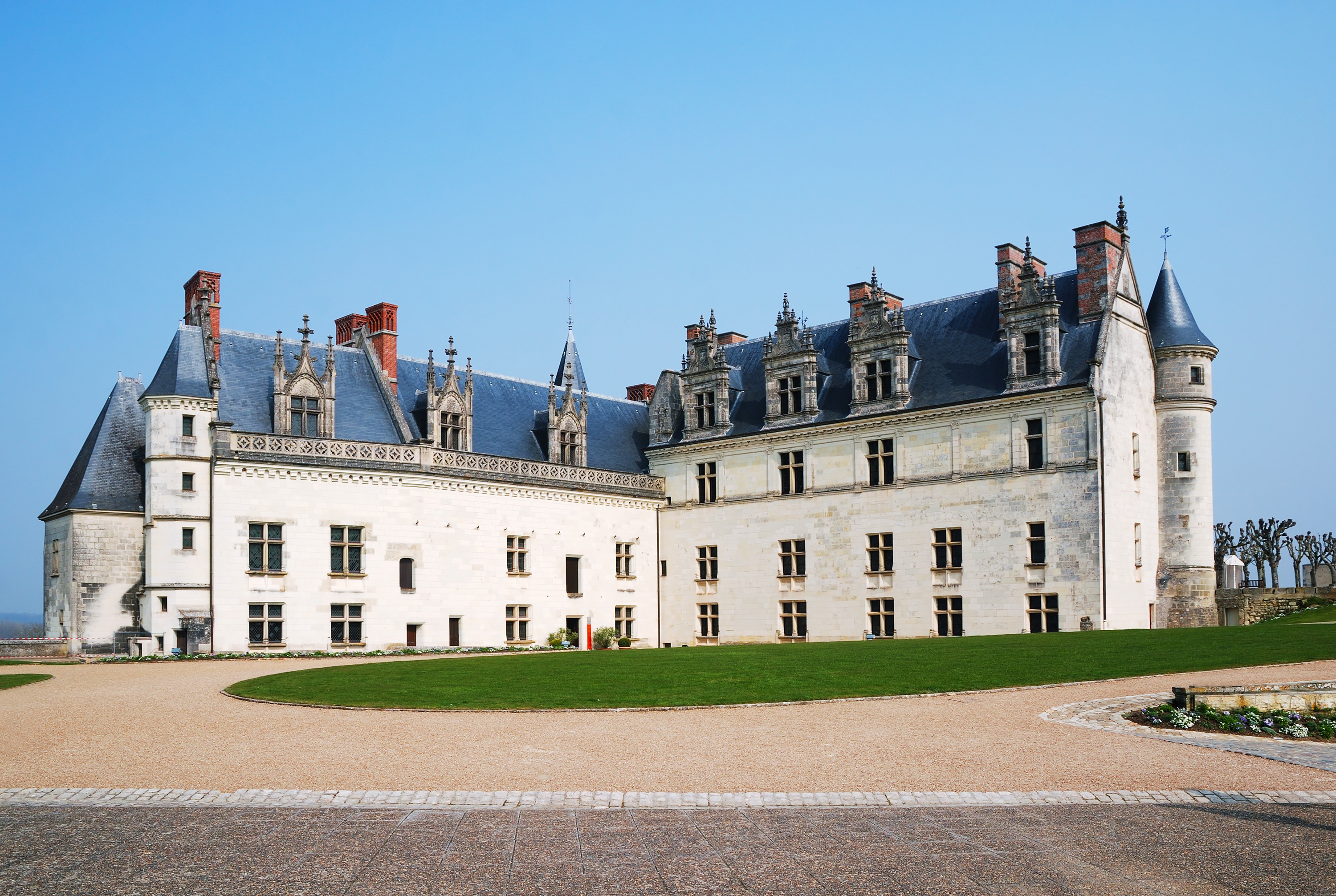
Overlooking the Loire River, the Royal Castle of Amboise occupies a site that has drawn strategic and royal attention since antiquity. Its transformation into a royal residence began in the late 15th century under King Charles VIII, who envisioned a palace worthy of Renaissance grandeur. Italian artists and craftsmen were brought north after Charles's campaigns in Italy, introducing new architectural ideas to France. The result was an early fusion of Gothic strength and Renaissance elegance that reshaped French royal architecture. Massive ramped towers were designed so horses and carriages could ascend directly into the castle, a bold engineering feat for the time. Amboise soon became a favored residence of French kings and a stage for courtly power. Francis I spent much of his youth there, turning the castle into a lively center of art, learning, and politics. The king famously invited Leonardo da Vinci to live nearby at Clos Lucé, forging a rare bond between monarchy and genius. Leonardo's remains are traditionally believed to rest in the castle's Chapel of Saint-Hubert, adding to its aura of legend. Religious tensions later cast a darker shadow over the site during the French Wars of Religion. In 1560, the failed Amboise Conspiracy led to brutal executions, marking the castle as a place of political reckoning. Over time, royal favor shifted elsewhere, and large portions of the structure were dismantled or fell into neglect. The French Revolution further damaged the complex, stripping it of symbols of monarchy. Careful restorations in the 19th and 20th centuries saved what remained from total loss. Today, terraces offer sweeping views of the Loire Valley that once impressed ambassadors and artists alike. The Royal Castle of Amboise stands as a layered monument where Renaissance ambition, artistic brilliance, and political upheaval coexist in stone.