


< Back
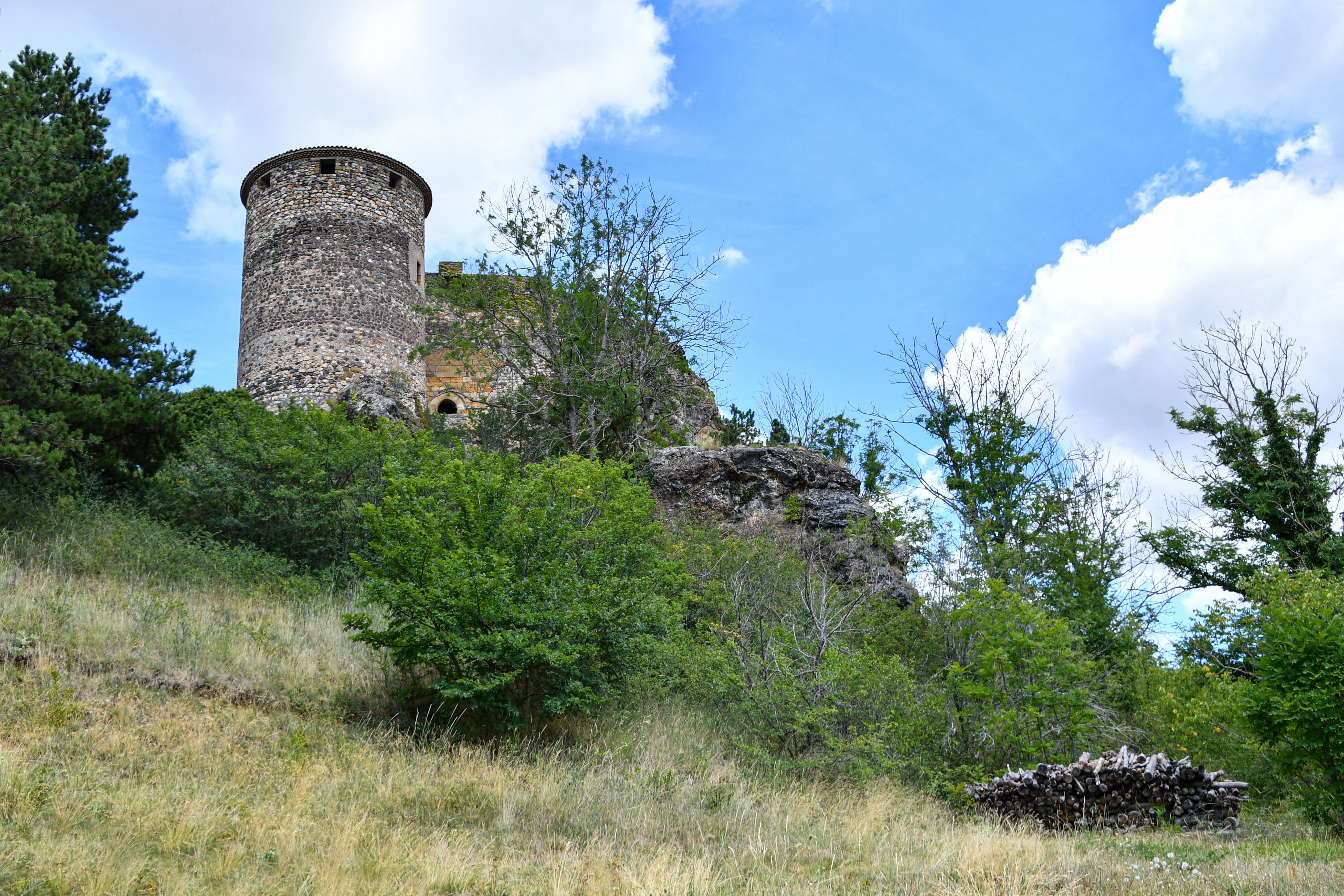
Busséol Castle
Castle History
Overlooking the Limagne plain from a jagged volcanic outcrop, this medieval stronghold commands one of the most dramatic viewpoints in Auvergne. Busseol Castle's origins reach back to the 10th century, when a fortified site was established to control trade routes near Clermont. The castle became the seat of the powerful lords of Busseol, a noble family deeply entwined with regional politics. Built from dark local stone, the fortress blended naturally with the rugged landscape, enhancing both defense and intimidation. High curtain walls and towers once made the site exceptionally difficult to assault. During the Middle Ages, it served as a symbol of feudal authority as much as a military installation. The castle witnessed shifting alliances, local conflicts, and the steady rise of centralized royal power in France. As warfare evolved and noble influence waned, its strategic importance gradually diminished. By the early modern period, the fortress was abandoned and left to the elements. Stone was later taken from the ruins for nearby construction, accelerating its decay. Despite this, the remaining walls still convey the scale and ambition of the original structure. From the heights, one can see why the location was chosen, with sweeping views across fertile plains and distant hills. Romantic travelers of the 19th century helped revive interest in the ruin as a picturesque relic of the past. Archaeological remains hint at residential quarters, defensive systems, and daily medieval life. Today, Busseol Castle stands as a stark silhouette against the sky, shaped by time rather than battle. What survives is less a fortress than a monument to feudal ambition, endurance, and the slow reclaiming power of nature.