

< Back
Clisson Castle
Castle History
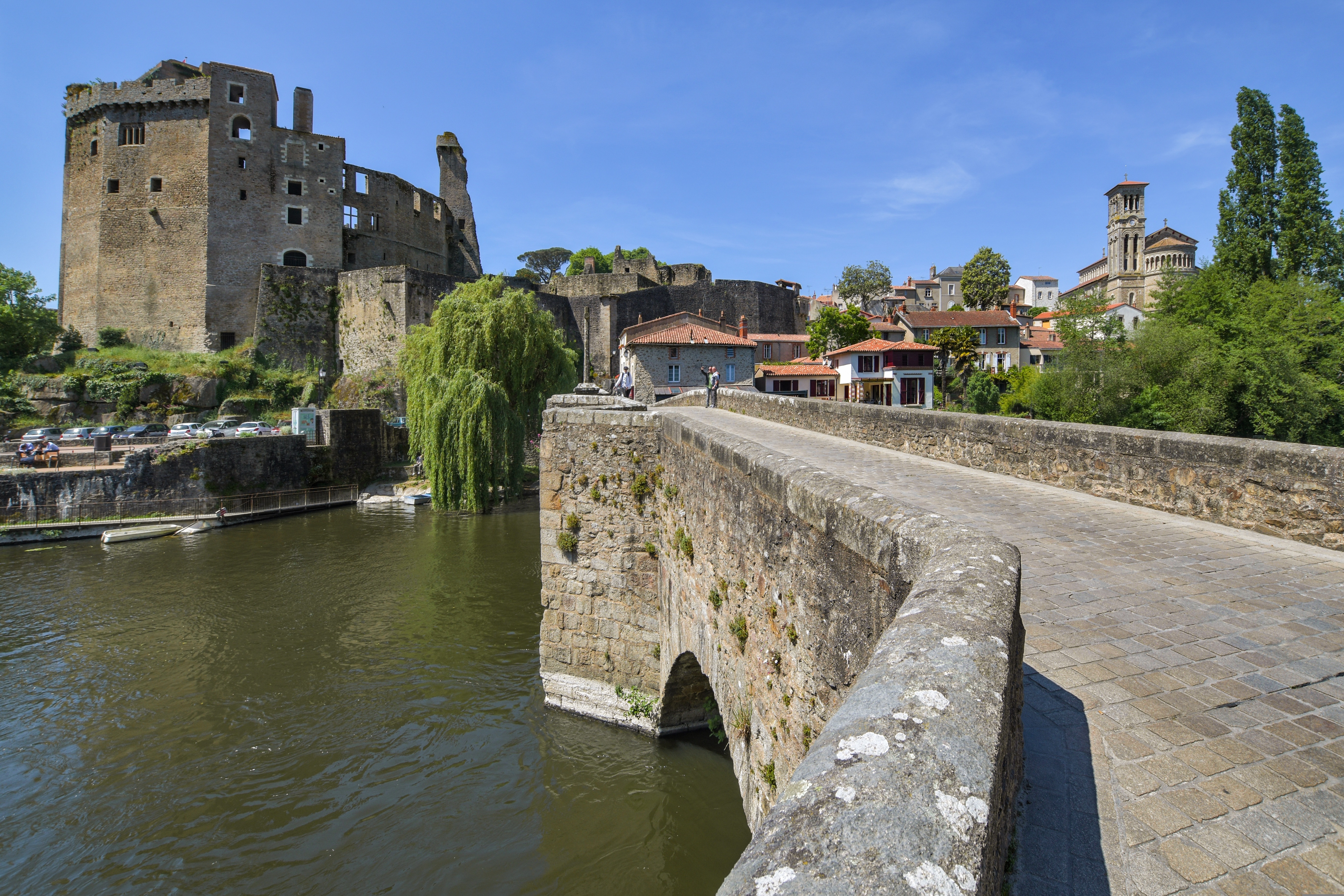
Rising above the Sèvre Nantaise river, this imposing ruin once controlled an important frontier between Brittany and the Kingdom of France. Clisson Castle's origins date back to the early Middle Ages, when the site was fortified to protect strategic trade and military routes. By the 13th century, powerful lords transformed the stronghold into one of the most formidable castles in western France. The fortress combined massive round towers with thick curtain walls designed to resist prolonged sieges. Serving as a key defensive outpost, it played a crucial role in the long-standing rivalry between Brittany and France. During the Breton War of Succession, the castle changed hands multiple times amid fierce fighting. Later, it became a residence of the Dukes of Brittany, reflecting both military strength and noble prestige. Artillery adaptations in the 15th century show how the fortress evolved to meet new forms of warfare. Its strategic importance eventually made it a target during the French Wars of Religion. Severe damage during these conflicts led to its gradual abandonment as a defensive site. In the centuries that followed, the structure fell into ruin as the region's political landscape stabilized. Local inhabitants reused stones from the castle for nearby buildings. During the Romantic period, artists and writers rediscovered the dramatic remains. The ruins inspired 19th-century architects who admired its raw, powerful forms. Today, Clisson Castle's towering walls and broken battlements still dominate the town below. Standing in silent strength, the castle remains a vivid reminder of a borderland shaped by centuries of conflict and ambition.