


< Back
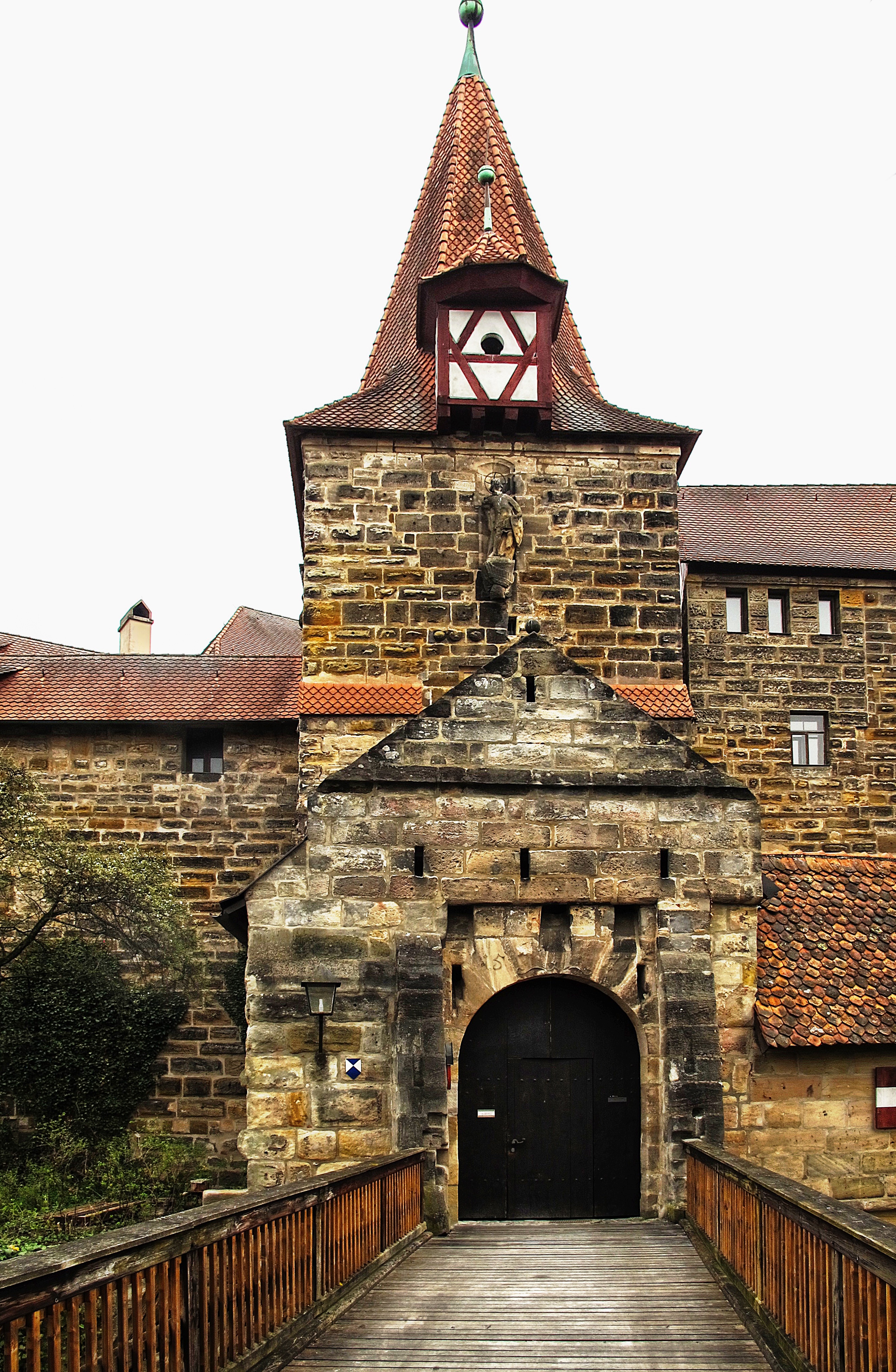
Lauf Castle
Castle History
Rising above the Pegnitz River, this well-preserved fortress reflects the strategic importance of border defenses in medieval Franconia. Lauf Castle's construction began in the 14th century under Emperor Charles IV, who sought to secure trade routes between Bohemia and Nuremberg. The castle was designed not only for military defense but also as an administrative checkpoint for commerce. Strong walls, towers, and a compact layout made it effective against raids and local conflicts. Unlike many fortresses, it was integrated closely with the surrounding town rather than isolated on a distant peak. The site played a key role in protecting imperial interests along this contested frontier. Over time, the castle transitioned from a military outpost into a symbol of civic authority. Its interiors were adapted to include residential and administrative spaces. During periods of relative peace, the fortress became part of daily urban life. Remarkably, it avoided large-scale destruction during major European wars. This continuity allowed much of its medieval structure to survive intact. In later centuries, the building was repurposed for various civic functions. Careful preservation ensured that original stonework and defensive features remained visible. Today, the castle houses museums that explore regional history and culture. Visitors can walk along battlements once guarded by imperial soldiers. Standing firm at the edge of town, Lauf Castle endures as a rare example of a medieval fortress woven seamlessly into an evolving urban landscape.