


< Back
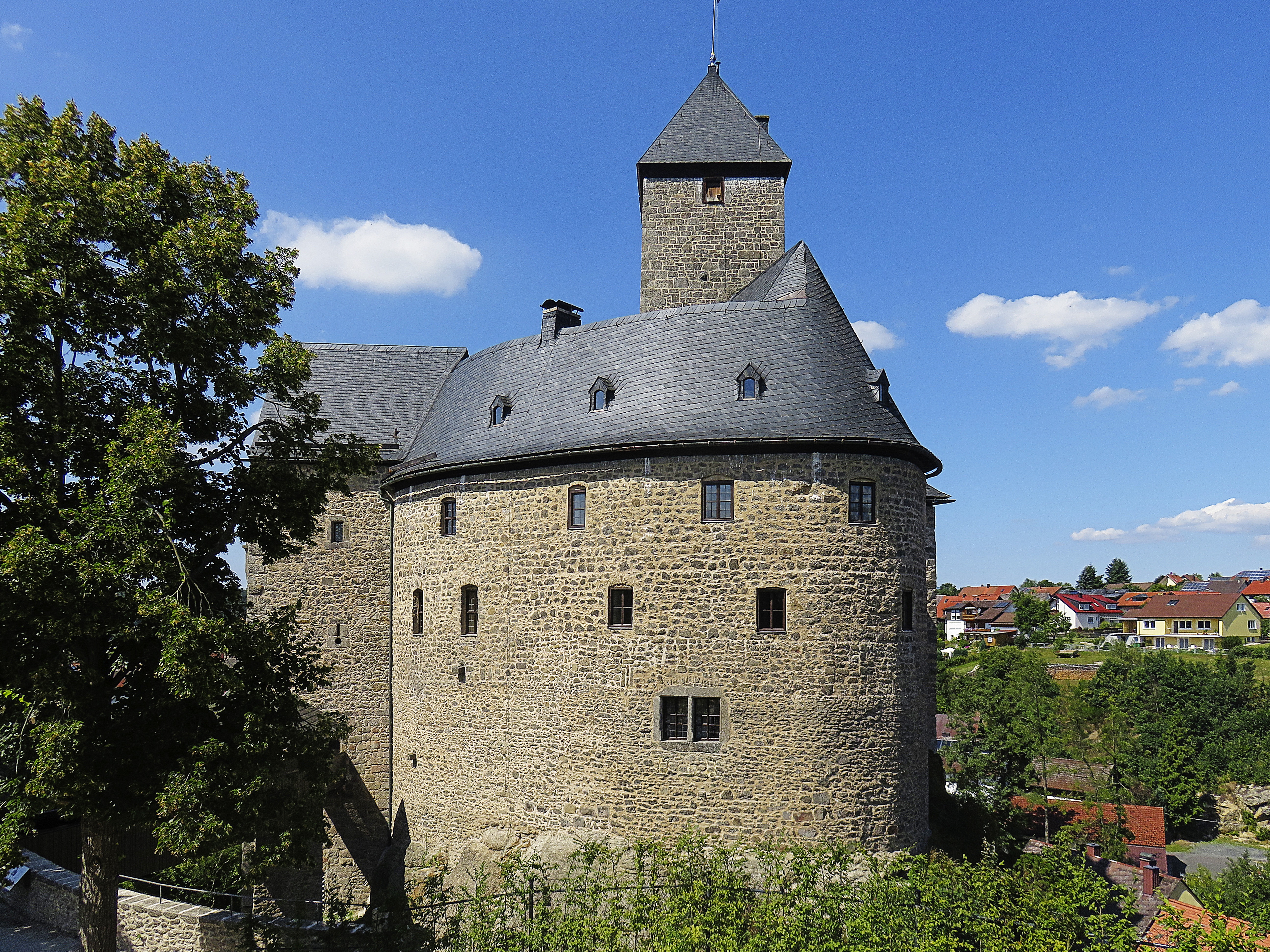
Falkenburg Castle
Castle History
Rising from dense forested hills, this dramatic ruin once commanded an important corridor through the German uplands. Falkenburg Castle's construction dates to the early 12th century, when regional lords sought elevated positions to assert control and collect tolls. The castle's location allowed clear oversight of trade routes winding through the valleys below. Massive stone walls and towers were shaped directly to the contours of the rocky ridge. Unlike palatial residences, the design emphasized defense and endurance over comfort. The stronghold became a focal point in local feuds and shifting alliances. Over generations, it passed between noble families who strengthened its fortifications. Medieval records describe it as a secure refuge during periods of unrest. As artillery warfare developed, the castle's strategic value declined. By the late Middle Ages, it was gradually abandoned. Without constant maintenance, roofs collapsed and walls crumbled. Stones were later taken for nearby construction, accelerating its decay. Despite this, much of the core structure remains recognizable. The ruin's silhouette blends with the surrounding trees, enhancing its sense of mystery. Romantic-era travelers celebrated it as a symbol of medieval power reclaimed by nature. Today, Falkenburg Castle offers a haunting glimpse into how geography, warfare, and time shape the fate of stone fortresses. Archaeological studies have helped clarify the layout of its inner courtyards and defensive systems. Standing among the weathered stones, visitors can still sense the vigilance and isolation that once defined life within its walls.