

< Back
Westerwinkel Castle
Castle History
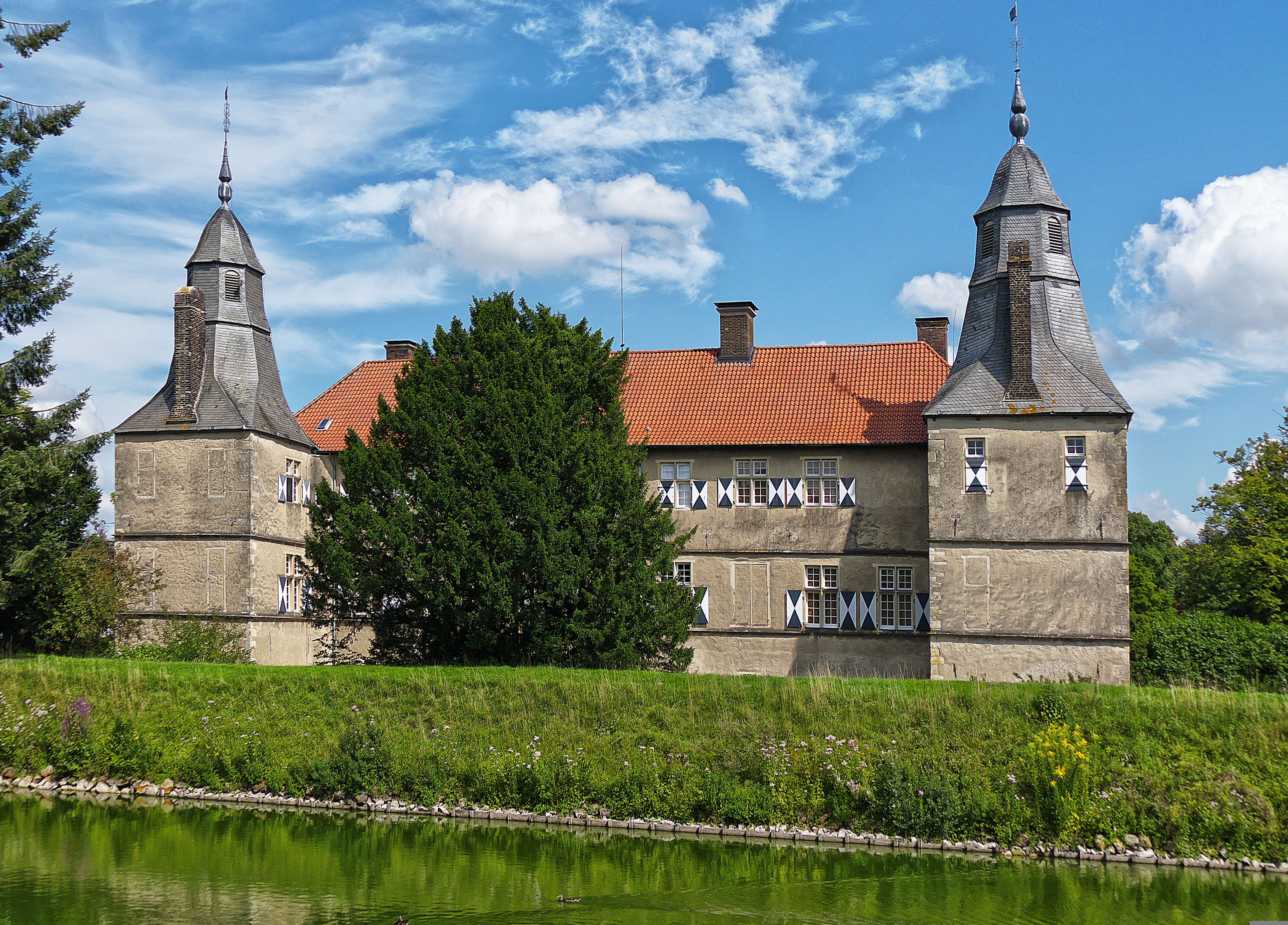
Surrounded by tranquil parkland and water-filled moats, this elegant estate represents a refined chapter in Germany's aristocratic past. Westerwinkel Castle's origins date to the late 17th century, when it was constructed as a Baroque country residence rather than a medieval fortress. The castle was commissioned by a noble family seeking comfort, prestige, and architectural harmony. Unlike defensive castles, its design emphasized symmetry, openness, and landscaped surroundings. Graceful façades and balanced proportions reflected the ideals of Baroque aesthetics. Water features around the complex served both decorative and symbolic purposes, enhancing its stately presence. The estate became a center of rural noble life, hosting social gatherings and managing surrounding lands. Over generations, ownership remained largely within aristocratic circles. Political upheavals in later centuries altered the role of many noble estates across Germany. Despite these changes, the castle avoided neglect or destruction. Careful stewardship preserved its architectural integrity through turbulent times. Interior spaces retained much of their historic character, reflecting changing tastes across centuries. The surrounding gardens evolved alongside landscape design trends. In modern times, Westerwinkel Castle found renewed purpose as a cultural and event venue. Its peaceful setting contrasts sharply with the martial origins often associated with castles. Standing serene amid water and greenery, it offers a lasting reminder that power and prestige could be expressed through beauty as much as through stone and steel.