


< Back
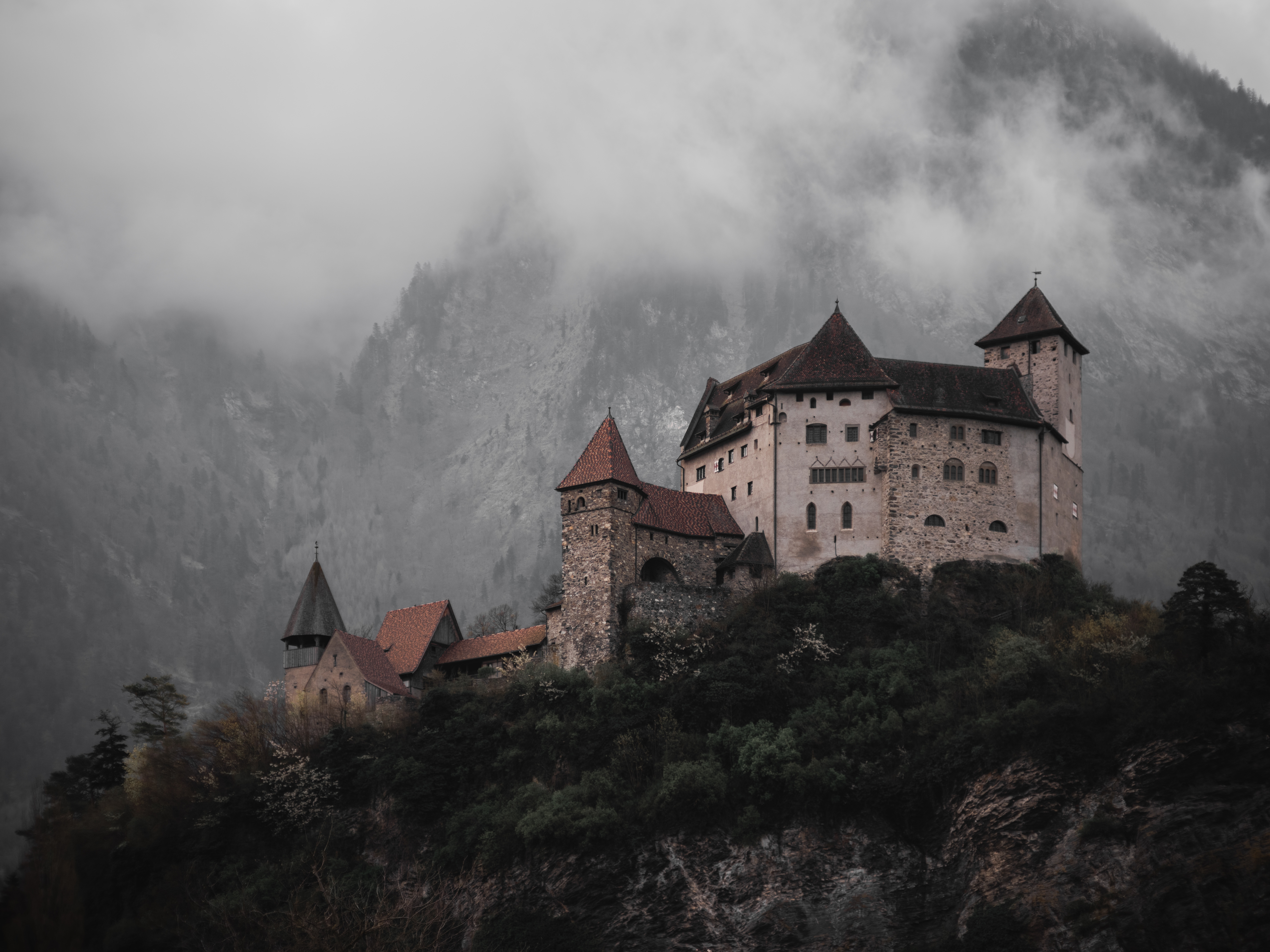
Gutenberg Castle
Castle History
Rising from a steep rocky hill in the southern part of the country, this commanding fortress has watched over the Rhine Valley for nearly a thousand years. Gutenberg Castle's origins date back to the early 12th century, making it one of the oldest surviving structures in Liechtenstein. The castle was built to secure important routes through the Alpine region. Early fortifications were primarily wooden before being replaced by stone for greater durability. Over time, the stronghold became a symbol of regional authority and protection. Unlike many European castles, it was never destroyed in a major conflict. Natural defenses provided by the rocky hill reduced the need for extensive outer walls. The castle passed through the hands of various noble families and ecclesiastical rulers. During the late Middle Ages, it served as both a defensive post and an administrative center. As military technology advanced, its strategic importance gradually diminished. Rather than being abandoned, it was maintained as a residence and landmark. Restoration efforts in the 19th and 20th centuries helped preserve its medieval character. Interior spaces reflect centuries of adaptation and use. Gutenberg Castle also became an important cultural symbol for the young principality. Today, it is used for cultural events and special occasions. Standing high above the village below, it remains a powerful emblem of Liechtenstein's resilience, continuity, and independence. From its battlements, sweeping views stretch across vineyards, river plains, and distant Alpine peaks. Its enduring presence connects the modern principality to its deep medieval roots.