


< Back
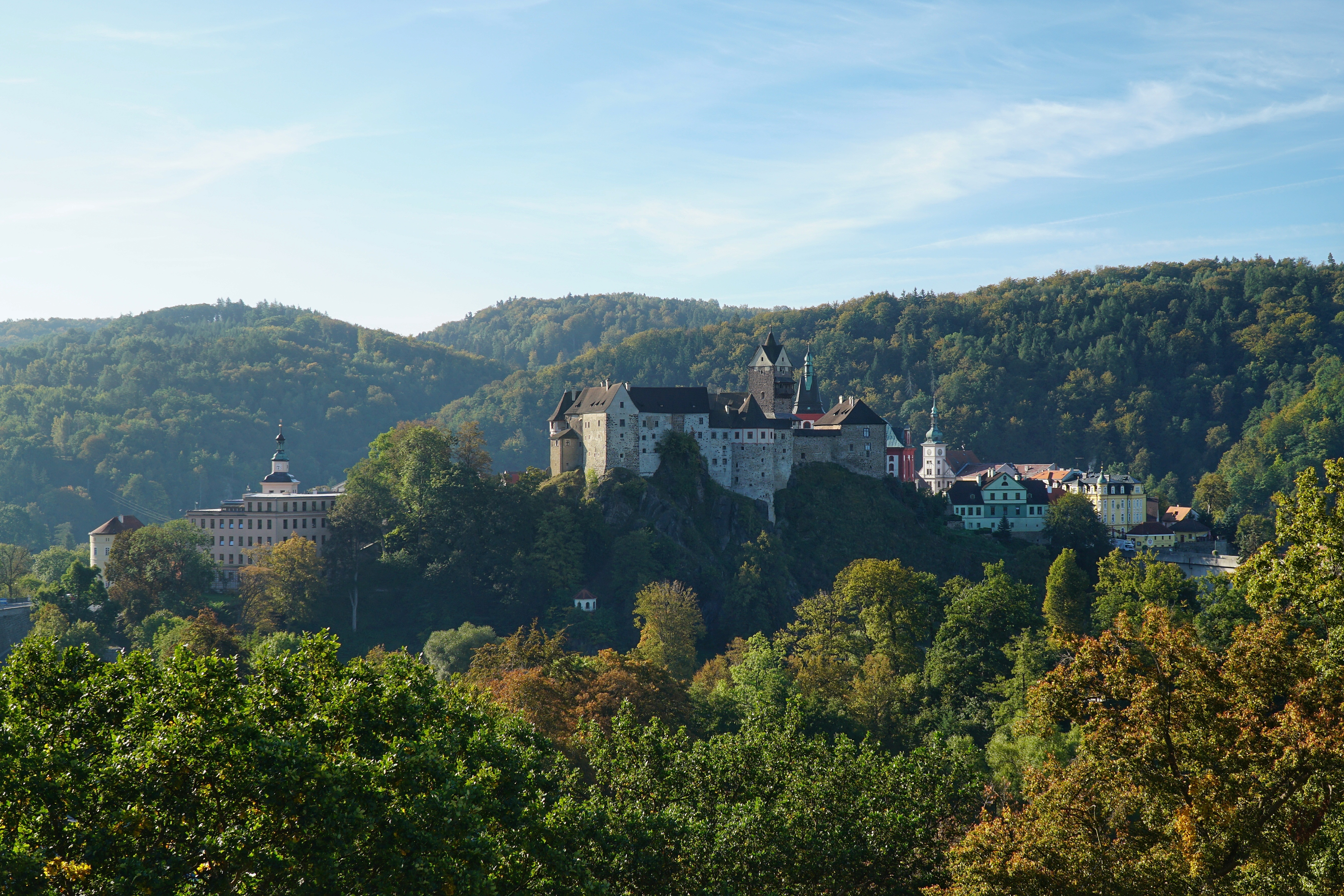
Loket Castle
Castle History
Perched on a rocky promontory almost completely encircled by the Ohře River, this striking stronghold appears to rise naturally from the landscape itself. Loket Castle's foundations were laid in the early 13th century, when Bohemian rulers sought to secure vital trade routes through western Czech lands. The castle's position created a near-perfect natural moat, making it both a military asset and a powerful symbol of royal authority. Early Gothic walls and towers still reveal the practical mindset of medieval builders who designed for endurance rather than elegance. For centuries, the fortress functioned as a royal stronghold directly under the Czech crown rather than a noble family. One of its most dramatic chapters unfolded when the future Emperor Charles IV was imprisoned here as a child during dynastic conflict. That early captivity left a deep mark on Czech history, shaping a ruler who would later transform Prague into an imperial capital. Over time, the castle shifted roles, becoming a regional administrative center and later a feared prison. Its dungeons gained a dark reputation, with iron cages and punishment devices underscoring medieval ideas of justice. By the 19th century, it stood neglected, its once-commanding presence softened by decay and romantic ruin. Careful restoration in the 20th century revived its silhouette and preserved its layered architectural history. Today, the complex houses museums that explore archaeology, weaponry, and the everyday lives of its former inhabitants. From the battlements, sweeping views of red-roofed Loket emphasize how the castle shaped the town's growth and identity. The river's looping embrace still isolates the fortress visually, just as it once did strategically. Standing above water and stone alike, Loket Castle endures as a quiet witness to power, captivity, and survival across eight centuries.