


< Back
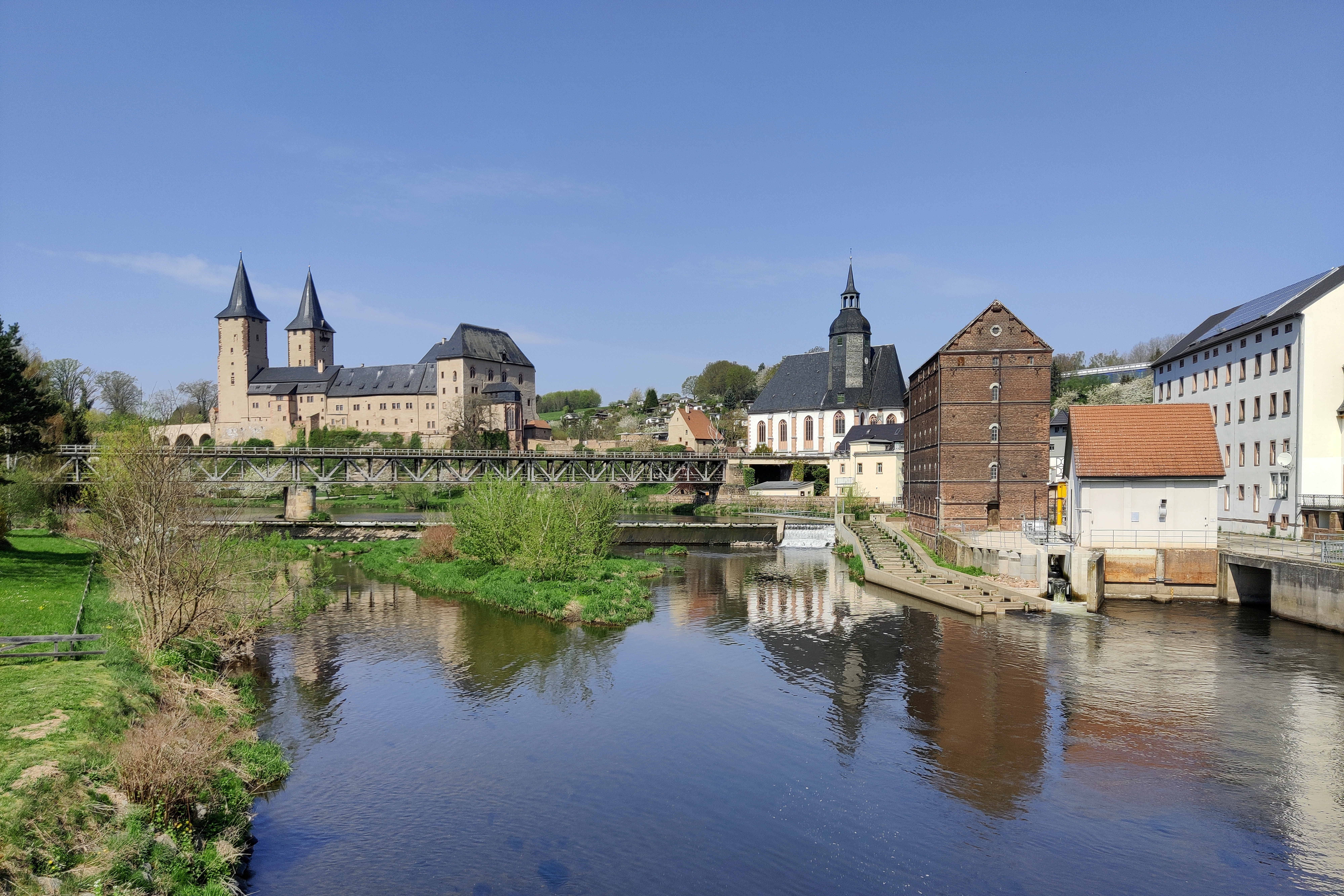
Rochlitz Castle
Castle History
Rising above the Zwickauer Mulde River, this imposing stronghold commands the surrounding landscape with a sense of quiet authority shaped by centuries of power and intrigue. Rochlitz Castle's origins reach back to the 10th century, when a fortified site was established to secure imperial territory in what is now Saxony. Over time, the complex evolved from a defensive fortress into a prestigious residence for margraves and electors. During the High Middle Ages, it became an important political center tied closely to the Wettin dynasty. The castle gained particular prominence in the 15th century, when it was transformed into a refined residence rather than a purely military bastion. Elegant halls and residential wings were added, reflecting changing ideas about comfort, representation, and noble life. Despite these refinements, its towers and walls still projected strength during periods of unrest and dynastic rivalry. The stronghold also played a role in administrative governance, overseeing lands and enforcing ducal authority. As Saxony modernized, the castle's strategic importance gradually diminished. By the early modern period, it had shifted toward judicial and administrative functions rather than warfare. Centuries of neglect followed, leaving parts of the structure weathered but not broken. Restoration efforts in the 19th and 20th centuries rescued the castle from decay and revealed layers of architectural history. Today, museums within its walls explore medieval justice, noble life, and the evolution of Saxon power. From its towers, visitors can trace the river's path and imagine why this location was once so fiercely guarded. Standing firm through conquest, comfort, and decline, Rochlitz Castle remains a compelling testament to Germany's shifting medieval landscape.