

< Back
Querfurt Castle
Castle History
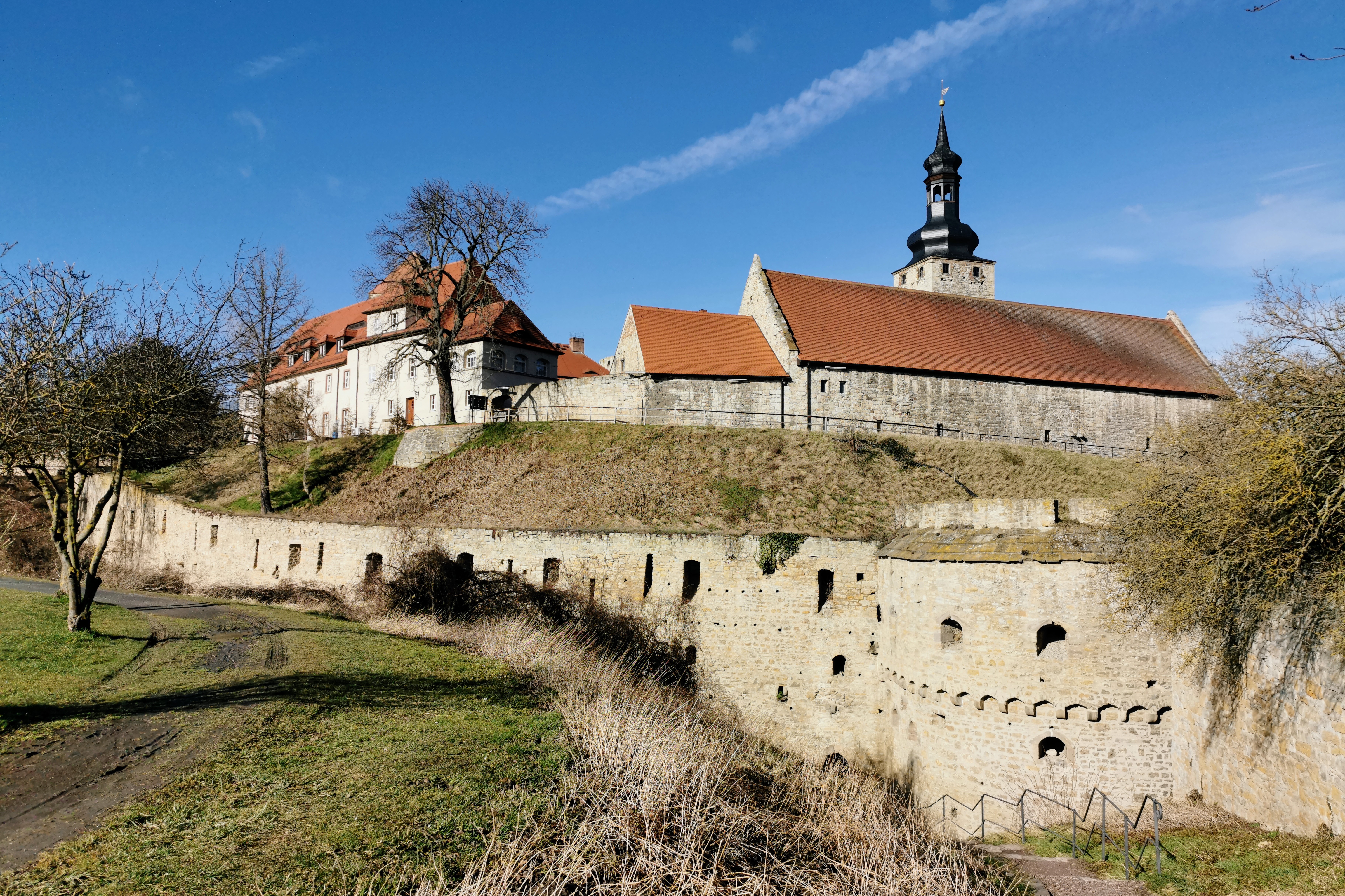
Perched dramatically above the town below, this vast hilltop fortress dominates the surrounding landscape with an authority that once defined regional power. Founded in the late 10th century, Querfurt Castle ranks among the oldest and largest medieval castles in central Germany. Its early lords belonged to a powerful noble family closely tied to imperial politics within the Holy Roman Empire. Thick defensive walls and massive towers were expanded over centuries, reflecting changing military needs and growing prestige. Unlike many fortresses that fell into ruin, large sections survived intact, giving the complex an unusually complete medieval footprint. Gothic, Romanesque, and Renaissance elements coexist within the walls, revealing layers of architectural ambition frozen in stone. The castle served not only as a military stronghold but also as an administrative center governing surrounding lands and trade routes. Periods of conflict tested its defenses, yet it was rarely conquered by force, a testament to its formidable design. As artillery transformed warfare, the fortress gradually lost strategic importance but retained symbolic significance. In later centuries it was adapted for residential and state purposes, preventing total abandonment. The Romantic movement rediscovered its dramatic silhouette, helping inspire preservation rather than demolition. Twentieth-century restoration efforts stabilized structures while preserving the marks of age and conflict. Today its courtyards, towers, and halls create a rare opportunity to experience a near-continuous timeline of medieval life. Panoramic views from the battlements reveal why the site was chosen so carefully by its founders. Standing resilient through centuries of political change, Querfurt Castle endures as one of Germany's most impressive testimonies to medieval power and continuity.