


< Back
Fürstlich Drehna
Castle History
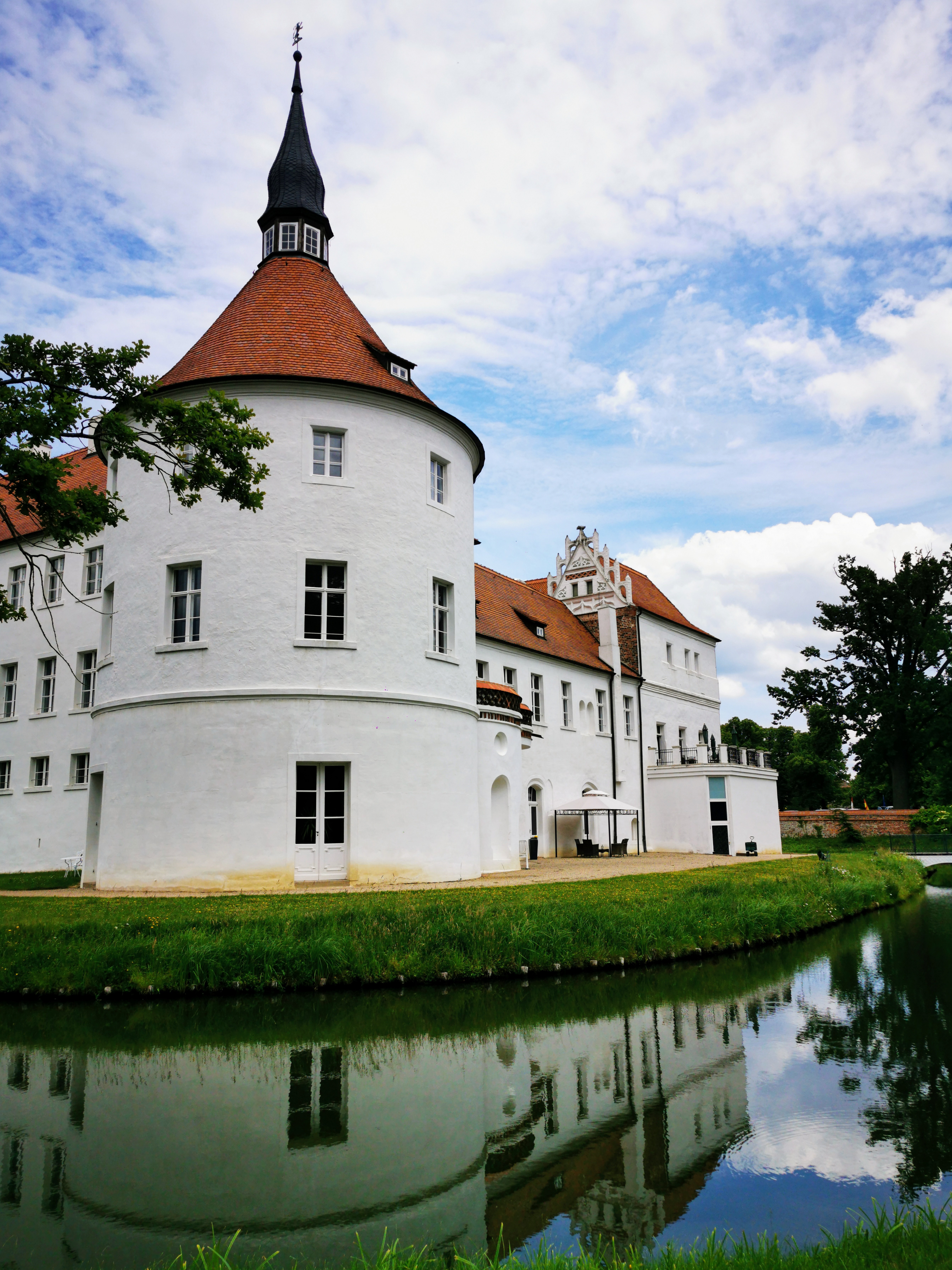
Fürstlich Drehna Castle rises from the flat landscapes of Brandenburg like a refined relic of aristocratic ambition shaped by centuries of change. Its origins trace back to a medieval water fortress, strategically placed amid marshes and ponds that once served as natural defenses. Over time, the site evolved from a defensive stronghold into a noble residence as feudal warfare gave way to courtly life. In the 16th and 17th centuries, Renaissance influences transformed the castle's appearance, softening its martial character with symmetry and decorative detail. Baroque modifications later added elegance, reflecting the desire of its owners to project status rather than military strength. Unlike many castles that fell into ruin, the complex remained continuously inhabited, allowing its architecture to adapt rather than disappear. The surrounding park and waterways were reshaped into a carefully controlled landscape that mirrored aristocratic ideals of order and beauty. Economic changes in the 19th century altered the castle's role, tying it more closely to estate management than political power. Wars and shifting borders in the 20th century disrupted noble life, leaving the castle vulnerable to neglect and uncertainty. Despite these upheavals, the structure survived largely intact, preserving layers of architectural history within its walls. After German reunification, renewed interest brought restoration efforts aimed at reviving both the castle and its cultural presence. Today, Fürstlich Drehna Castle functions as a hotel and cultural venue, blending historic atmosphere with modern hospitality. Its long life tells a quiet but compelling story of adaptation, showing how noble residences survived by changing purpose rather than resisting time.