

< Back
Hubertusburg Castle
Castle History
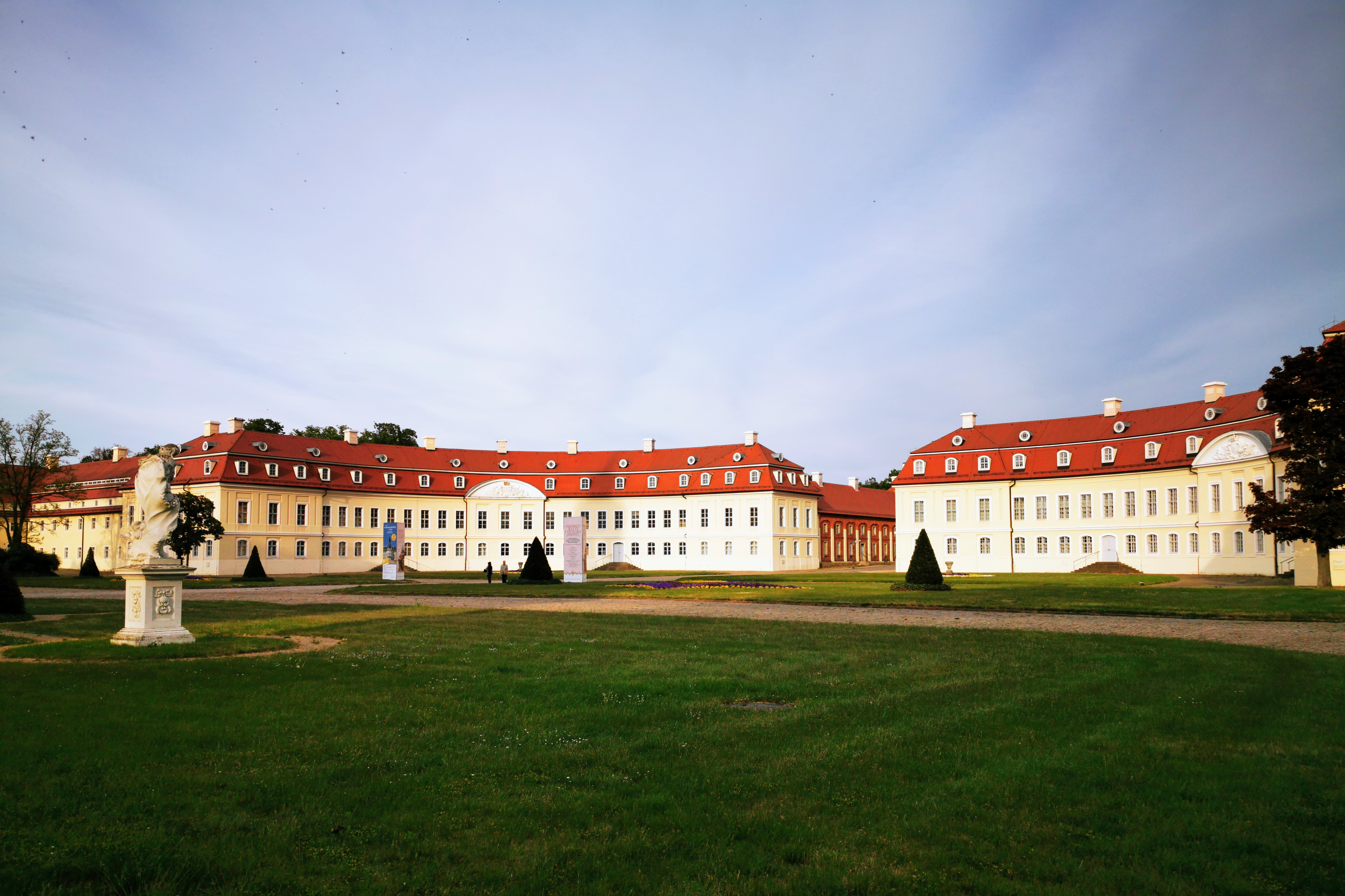
Hubertusburg Castle stands as one of Germany's grandest examples of an 18th-century hunting and pleasure palace, conceived on a scale meant to rival royal courts across Europe. Hubertusburg Castle's construction began in 1721 under Augustus the Strong, Elector of Saxony and King of Poland, who envisioned a lavish retreat dedicated to courtly spectacle and the rituals of the hunt. Rather than medieval defenses, the palace emphasized elegance, symmetry, and Baroque splendor, signaling a shift from fortress power to ceremonial authority. The palace quickly became a stage for diplomatic gatherings, aristocratic celebrations, and elaborate hunting festivals. History gave the site lasting significance in 1763, when the Treaty of Hubertusburg was signed within its walls, ending the Seven Years' War between major European powers. That treaty reshaped the balance of power on the continent, cementing Prussia's rise while preserving Saxony's sovereignty. Despite its political importance, the palace soon fell from favor as royal priorities shifted elsewhere. By the late 18th century, the once-glittering halls began to feel outdated and excessively costly to maintain. In the 19th century, parts of the palace were converted into hospitals and psychiatric institutions, giving the site a starkly different identity. These new roles erased much of its former opulence, though the architectural bones remained intact. Wars and regime changes passed over the complex without destroying it, allowing its layered history to survive. Restoration efforts in modern times have sought to recover its cultural and architectural significance rather than recreate lost luxury. Today, Hubertusburg Castle endures as a rare monument where Baroque ambition, European diplomacy, and social transformation converge in one remarkable place.