

< Back
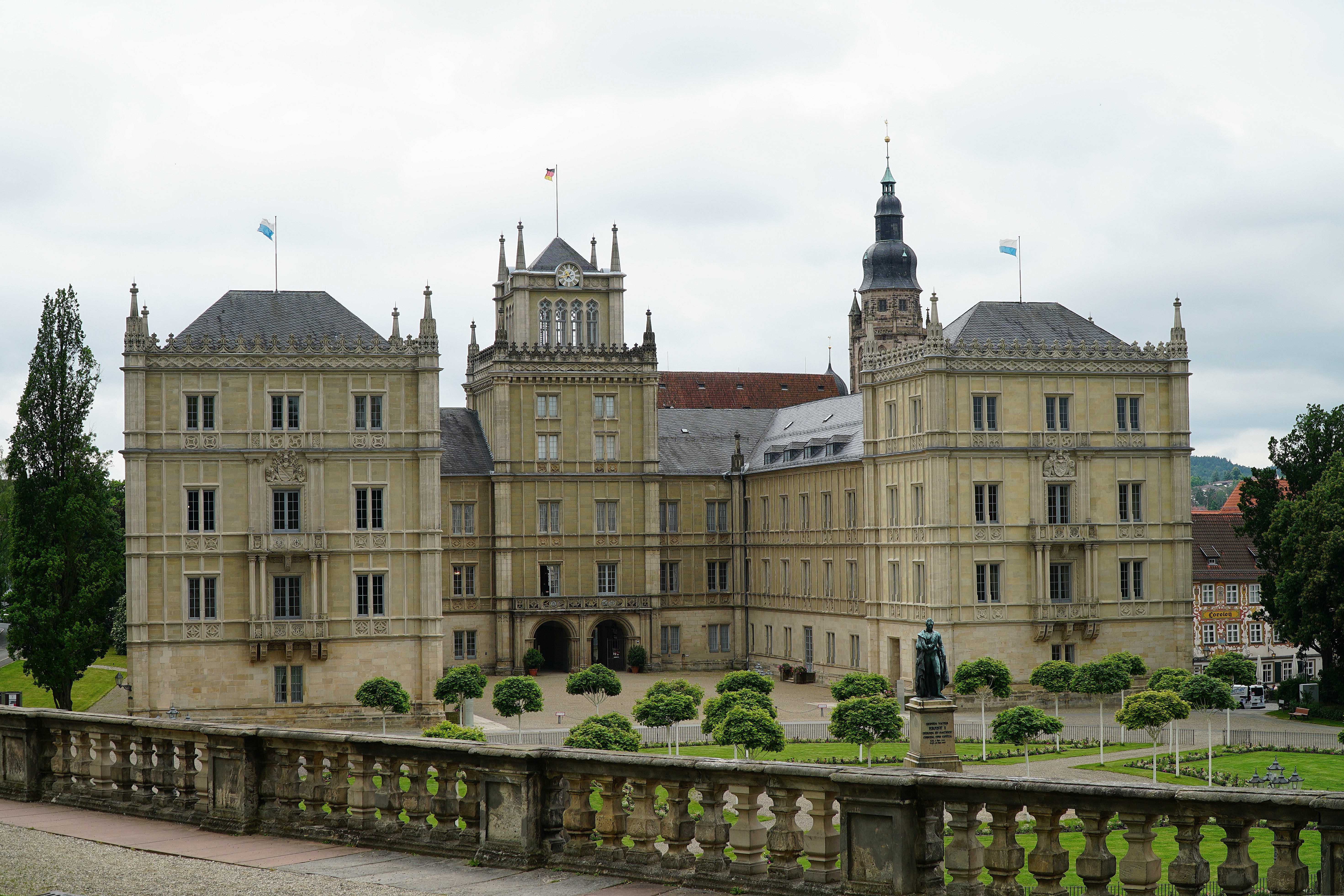
Ehrenburg Palace
Castle History
High above a bend of the Moselle region, this dramatic stronghold once controlled important routes through forests and river valleys. Ehrenburg Castle's origins lie in the 12th century, when it was raised as a powerful feudal fortress tied to the ambitions of regional lords and church authorities. From the beginning, the site combined military dominance with political symbolism, projecting authority over surrounding villages and trade paths. Over time, the castle became a "Ganerbenburg", jointly owned by several noble families who shared its defenses and towers. This unusual arrangement led to a complex layout, with multiple residential sections clustered within the same fortified walls. Medieval life inside its ramparts was shaped by alliances, rivalries, and constant negotiation among its co-owners. As warfare evolved, the castle's hilltop position remained valuable but increasingly difficult to modernize. The Thirty Years' War brought hardship, exposing the fortress to sieges, shifting loyalties, and regional instability. Its decisive downfall came during the late 17th century, when French troops systematically destroyed many strongholds along the Rhine and Moselle. After that devastation, the castle was never rebuilt as a noble residence. Stone by stone, nature began reclaiming towers, halls, and courtyards once filled with feudal life. Romantic travelers of the 19th century rediscovered the ruins, drawn by their dramatic silhouette and melancholy beauty. Legends and local folklore grew around the broken walls, deepening its cultural presence beyond pure history. Modern conservation efforts have stabilized the remains, allowing visitors to safely explore the site. Today, Ehrenburg Castle endures as a powerful ruin, telling a layered story of medieval cooperation, conflict, and eventual decline etched into stone.