


< Back
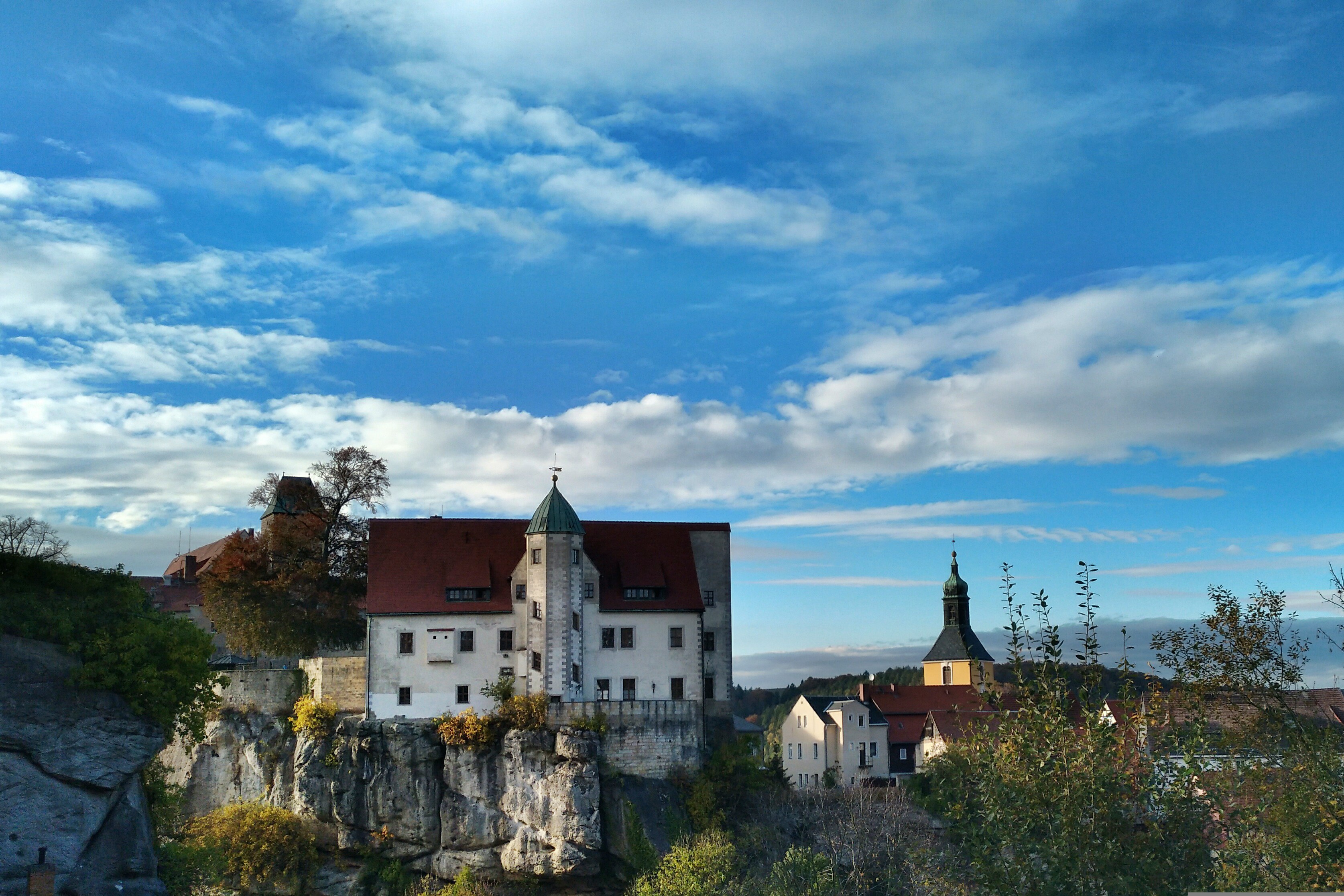
Hohnstein Castle
Castle History
Hohnstein Castle rises from a dramatic sandstone outcrop in Saxon Switzerland, where sheer cliffs and deep forests shape both landscape and legend. Its origins reach back to the 13th century, when it was built as a border fortress guarding important routes through the Elbe Sandstone Mountains. The castle's natural defenses made it a formidable stronghold, with steep rock faces serving as walls no army could easily breach. Over time, it evolved from a purely military site into a noble residence and administrative center. Medieval lords used the castle to control surrounding lands and collect tolls from passing merchants. During the Reformation, the castle became entangled in religious and political upheaval that swept across Saxony. In the 16th century, it was remodeled with Renaissance features, reflecting changing tastes and a reduced emphasis on siege warfare. The castle's strategic importance declined as centralized power and new fortifications emerged elsewhere. By the 18th century, it had been repurposed as a prison, giving its walls a darker chapter in their long history. That grim role deepened in the early 20th century, when it was used as an early concentration camp under the Nazi regime. After the Second World War, the site underwent a profound transformation. The castle became a youth hostel, symbolizing a deliberate shift from oppression to education and openness. Generations of travelers and students have since slept within walls once meant for confinement. Today, the castle functions as a museum and cultural site, openly confronting all layers of its past. Hohnstein Castle stands as a powerful example of how a single place can embody both the extremes of human cruelty and the possibility of renewal.