


< Back
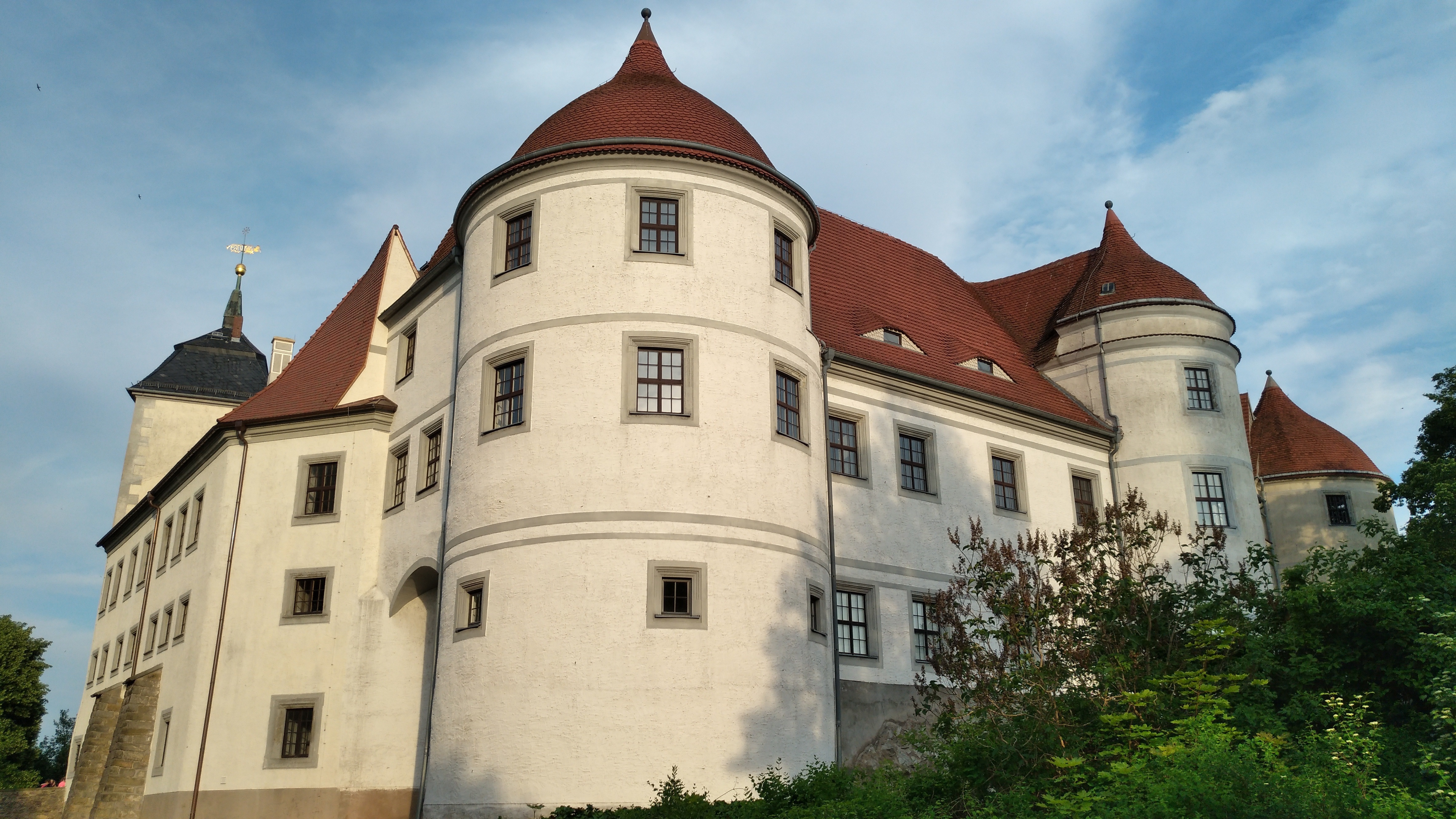
Nossen Castle
Castle History
Nossen Castle rises above the confluence of trade routes in Saxony, its towers reflecting centuries of political and architectural change. The site began as a medieval fortress in the 12th century, strategically positioned to control movement through the region. Over time, the stronghold became closely linked to the powerful Wettin dynasty, one of the most influential ruling families in central Europe. As feudal warfare declined, the castle gradually transformed from a military installation into a noble residence. Renaissance renovations reshaped its appearance, adding symmetry, ornate façades, and more comfortable living spaces. The complex grew into an administrative center, overseeing justice, taxation, and local governance. Religious and political shifts during the Reformation era left their mark on the castle's functions and occupants. Later centuries brought further adaptation, with Baroque elements softening the fortress-like character of the buildings. Despite wars and regional upheaval, the castle avoided complete destruction. In the modern era, it served a variety of roles, including state administration and storage. Neglect in the 20th century threatened parts of the complex, prompting calls for preservation. Restoration efforts eventually revived its historical and cultural importance. Today, the castle houses museums and event spaces that explore Saxon history and noble life. Nossen Castle endures as a vivid record of how a medieval stronghold can evolve into a layered monument of regional power and culture.