

< Back
Tyrol Castle
Castle History
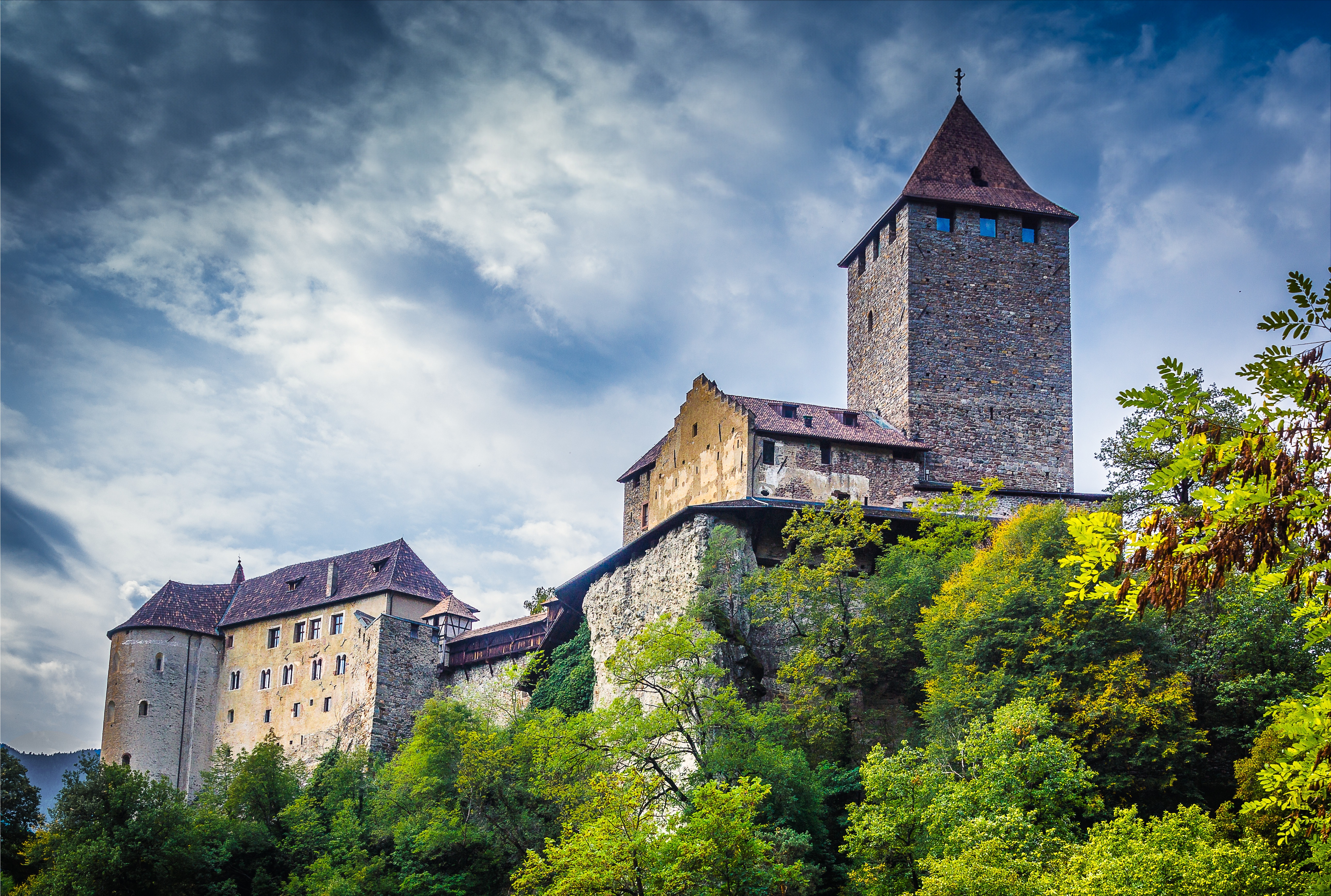
Tyrol Castle rises above the town of Merano as the symbolic birthplace of an entire Alpine region. Its construction in the 12th century marked the emergence of the Counts of Tyrol as a powerful political force in the eastern Alps. From this seat, the ruling family governed mountain passes that were vital for trade between northern and southern Europe. The castle's position allowed control over routes linking the German lands with Italy, giving it lasting strategic importance. Romanesque architecture dominates the complex, especially visible in its robust walls and sculpted stone portals. One of its most remarkable features is the richly decorated chapel, whose reliefs provide rare insight into medieval art and symbolism. As the county expanded, the name of the castle became the name of the wider territory itself. Political shifts in the late Middle Ages eventually reduced its role as a center of power. Despite this decline, the structure remained a potent symbol of regional identity. Later centuries saw the castle adapted for administrative and residential purposes. Periods of neglect threatened its preservation, particularly in the modern era. Careful restoration restored much of its historic character without erasing signs of age. Today, Tyrol Castle houses the South Tyrolean Museum of Culture and Provincial History. Its walls continue to tell the story of how geography, power, and identity combined to shape the history of Tyrol.