


< Back
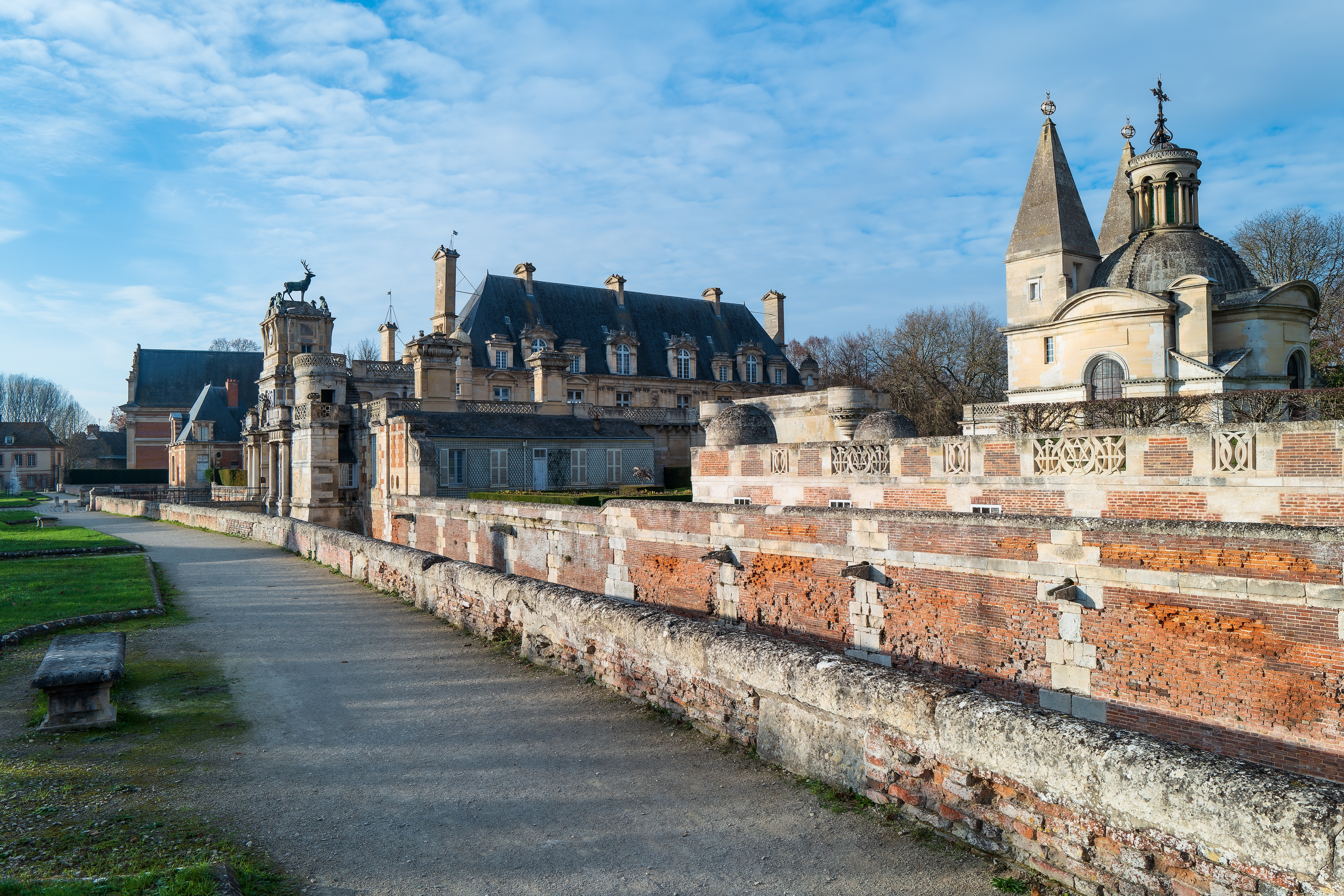
Château d'Anet
Castle History
Château d'Anet stands as one of the finest expressions of French Renaissance elegance, blending classical harmony with royal ambition. Its construction began in the mid-16th century under King Henry II, who commissioned the château as a residence for his influential mistress, Diane de Poitiers. The design was entrusted to the renowned architect Philibert de l'Orme, a pioneer of Renaissance architecture in France. Rather than a medieval fortress, the château was conceived as a refined country retreat emphasizing symmetry, proportion, and artistic detail. Innovative architectural elements, including an early use of classical orders and decorative reliefs, set it apart from earlier noble residences. The château's entrance pavilion famously features sculpted imagery celebrating Diane, reinforcing her exceptional political and cultural influence at court. Lavish gardens and water features were carefully planned to complement the architecture and reflect Renaissance ideals of order and beauty. After the death of Henry II, Diane was forced to relinquish the estate, marking a dramatic shift in its fortunes. Ownership passed through several noble hands, each leaving subtle changes to the complex. During the French Revolution, the château suffered damage and partial demolition, losing much of its original splendor. Despite this, significant portions of the structure survived, preserving its architectural legacy. Restoration efforts in later centuries focused on safeguarding what remained rather than fully reconstructing what was lost. Today, the château is recognized as a landmark of Renaissance innovation and courtly culture. Château d'Anet endures as a testament to how personal power, artistic vision, and political favor once shaped the landscape of French nobility.