


< Back
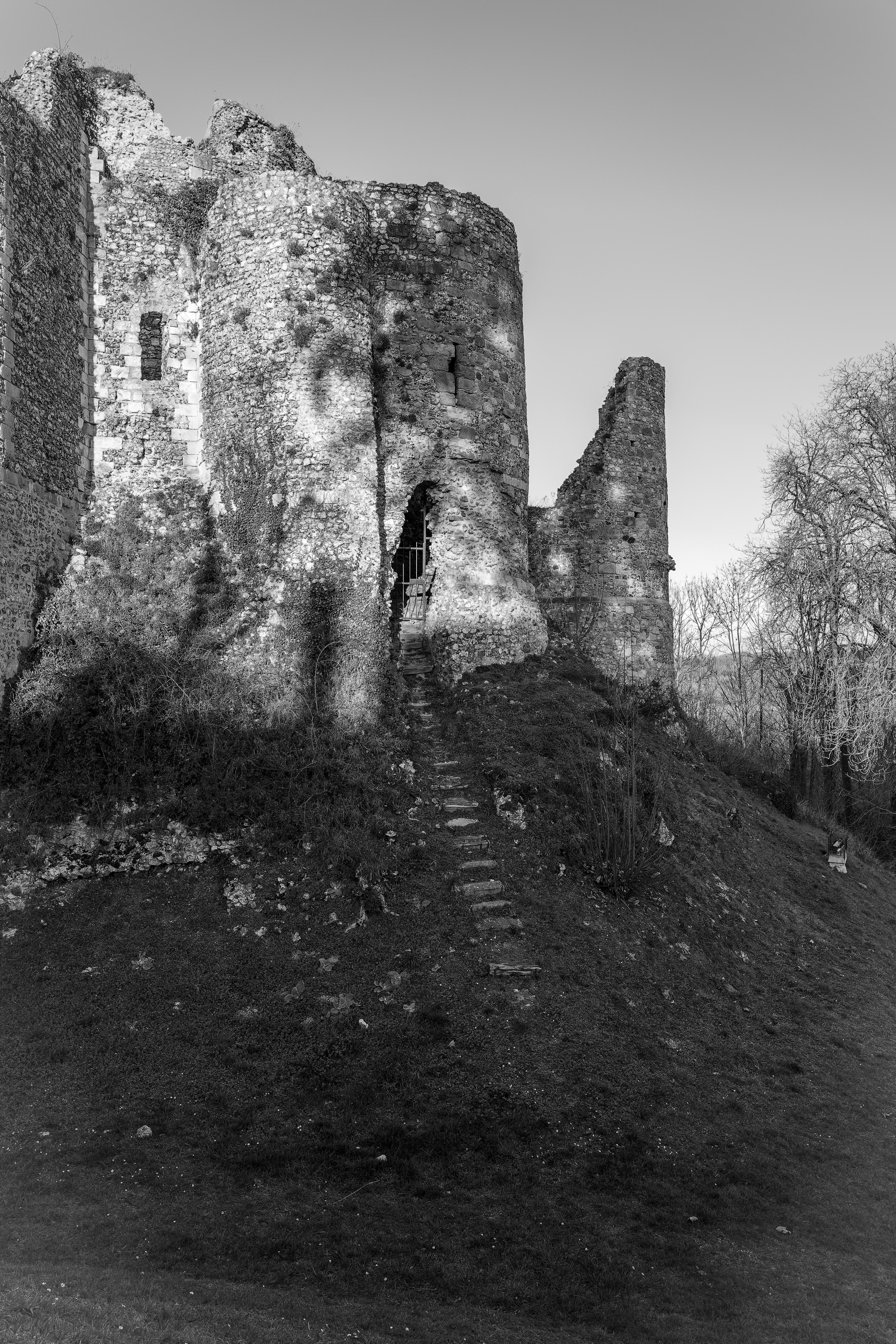
Goodrich Castle
Castle History
Goodrich Castle rises above the River Wye as one of England's most complete examples of a medieval stone fortress. Its origins lie in the 11th century, when a Norman earthwork was first established to control the Welsh Marches. By the 12th century, the site had been rebuilt in stone, signaling growing confidence and wealth among its lords. The castle evolved into a powerful concentric stronghold, with thick curtain walls and strategically placed towers. Its position allowed oversight of river traffic and border movement between England and Wales. During the English Civil War, the castle became a Royalist stronghold, refusing to surrender to Parliamentarian forces. In response, the besiegers deployed "Roaring Meg," a massive mortar that battered the walls into submission. The damage from that bombardment was severe and deliberately left unrepaired after the war. As a result, the castle was effectively ruined rather than adapted for later military use. Despite this destruction, much of its layout remains clearly legible today. The great hall, chapel, and gatehouse still convey the organization of medieval lordly life. Later generations admired the castle as a romantic ruin overlooking the Wye Valley. Antiquarians and artists helped secure its preservation in the 19th century. Today, the site is carefully conserved and open to visitors. Goodrich Castle stands as a vivid reminder of how medieval power, civil war, and deliberate destruction shaped England's landscape. From its towers, the sweeping views of the Wye Valley reinforce why this commanding site was once considered essential for both defense and prestige.