

< Back
Seeseiten Castle
Castle History
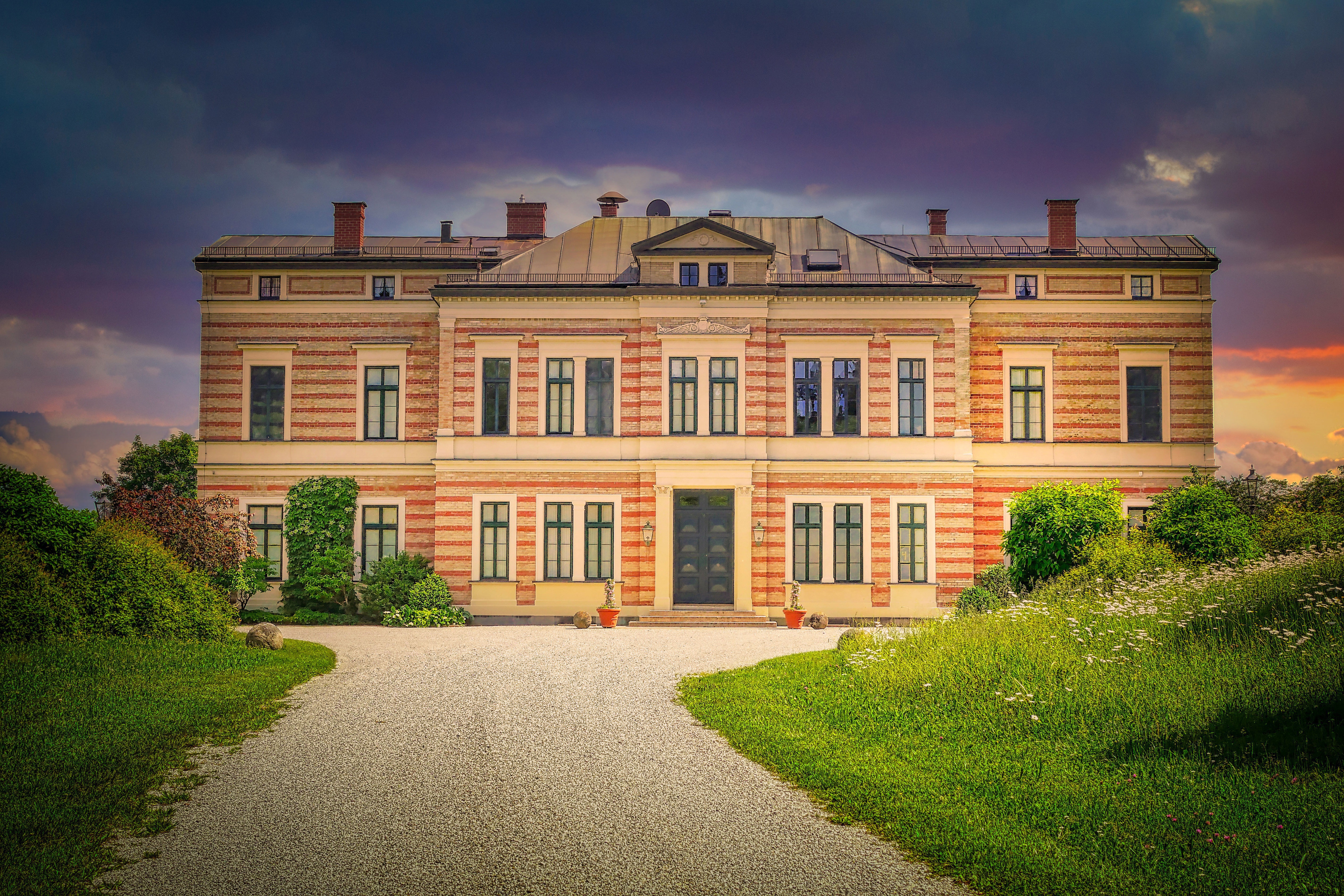
Seeseiten Castle stands quietly near the shores of Lake Chiemsee, where water, woodland, and Alpine foothills give it a naturally theatrical setting. The site has long been valued for its strategic and scenic position, with earlier noble residences occupying the area before the present structure took shape. The current castle emerged in the 19th century, reflecting the era's fascination with romantic historicism rather than medieval fortification. Its design favors elegance and leisure over defense, signaling a shift from feudal power to aristocratic retreat. Large windows and terraces were deliberately oriented toward the lake, turning the surrounding landscape into part of the architecture itself. Seeseiten Castle became associated with Bavarian high society, serving as a seasonal residence where guests arrived by carriage or boat. The interiors were designed for comfort and display, emphasizing salons, views, and social gatherings rather than military utility. Unlike many older castles, it avoided major destruction during wars, largely because it was never a frontline stronghold. The castle's proximity to Chiemsee places it within a region deeply tied to Bavarian royal culture and leisure traditions. Over time, ownership shifted from private aristocratic hands to more modern uses, reflecting broader social changes in Germany. Its peaceful setting made it attractive as a retreat rather than a symbol of authority, reinforcing its reputation as a place of calm refinement. Local lore often connects the castle with lakeside legends, quiet romances, and the slower rhythms of upper-class country life. Architecturally, it stands as an example of how castles evolved into residences that celebrated scenery as much as status. Today, Seeseiten Castle is notable less for battles or sieges and more for embodying a gentler chapter of castle history, where beauty, leisure, and landscape took center stage.