


< Back
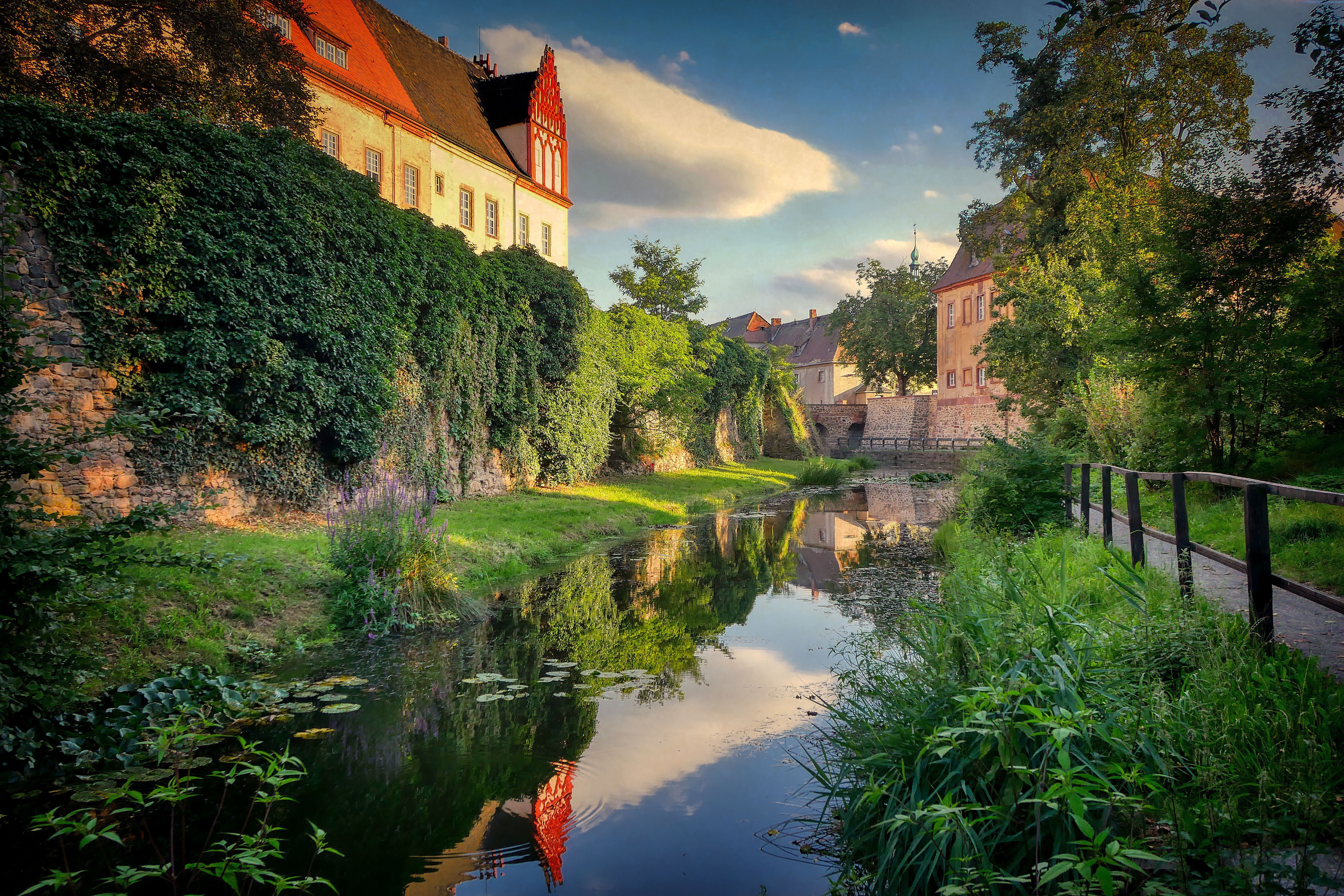
Trebsen Castle
Castle History
Trebsen Castle rises along the Mulde River in Saxony, its history intertwined with the shifting fortunes of regional nobility. Its origins trace back to the 13th century, when it was established as a fortified residence to control trade and assert influence over surrounding lands. The castle's architecture reflects both medieval defensive needs and later Renaissance renovations, blending strength with elegance. Thick stone walls and towers provided protection during feuds between local lords and rival families. Over the centuries, the castle passed through the hands of several noble families, each leaving subtle marks on its structure and interior design. Trebsen Castle is notable for its ornate courtyards and period halls, which illustrate the lifestyle of Saxon aristocracy across centuries. Its chapel features intricate frescoes, reflecting both religious devotion and artistic trends of the Renaissance. The castle's location along the river allowed control of transport and commerce while offering natural defenses against invaders. During regional conflicts, the fortress served as a refuge and a command post, proving its strategic value beyond mere symbolism. Unlike many German castles, it survived both war and neglect relatively intact, allowing modern visitors to experience its layered history. Legends of noble intrigue and local folklore continue to be associated with the castle, giving it an air of mystery and romance. Today, Trebsen Castle is used for cultural events, exhibitions, and historical tours, connecting contemporary audiences with its past. Archaeological studies within the castle have uncovered evidence of earlier fortifications, suggesting the site's importance predates the current structure. Standing amid manicured grounds and overlooking the Mulde, Trebsen Castle remains a testament to Saxon heritage, medieval strategy, and the enduring allure of noble residences.