

< Back
Kurpark Castle
Castle History
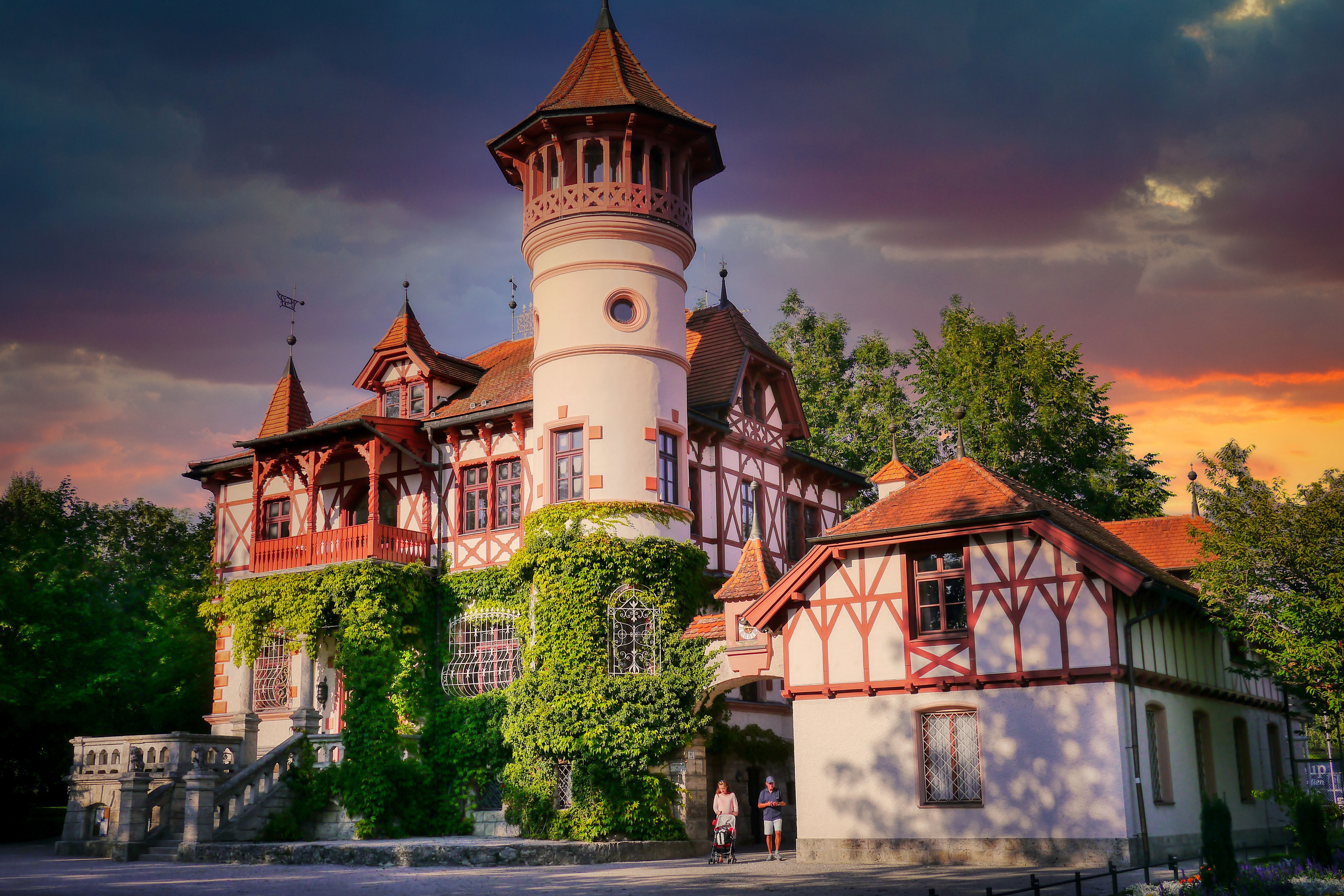
Kurpark Castle sits gracefully within the landscaped grounds of its namesake park, blending the grandeur of German aristocratic architecture with serene natural beauty. Originally constructed in the 17th century, the castle was built as a summer residence for local nobility seeking both comfort and status. Its elegant facades and ornamental detailing reflect Baroque influences, demonstrating the period's emphasis on symmetry, proportion, and decorative artistry. Over the centuries, Kurpark Castle has undergone several renovations, adapting to changing tastes while preserving its historical character. Notable for its beautifully maintained gardens, the grounds feature walking paths, fountains, and carefully designed vistas that complement the architecture. The castle once hosted lavish social gatherings, concerts, and balls, making it a center of local cultural life during the 18th and 19th centuries. Its interiors preserve ornate stucco work, period furnishings, and decorative ceilings, offering a window into aristocratic life of the era. During times of political upheaval, the castle remained a symbol of continuity and refinement amidst regional change. Kurpark Castle is also historically significant for its role in the development of public parks and landscaped estates in Germany. The surrounding park is today open to visitors, providing both recreational space and an opportunity to explore the castle's architectural heritage. Artistic depictions of the castle and its grounds have appeared in prints and paintings, celebrating its scenic beauty and design elegance. Local historians note that the castle's blend of residence, garden, and cultural hub reflects broader European trends in aristocratic estate planning. Standing today, Kurpark Castle remains a testament to Baroque aesthetics, social prestige, and the enduring charm of historic German parkland estates.