


< Back
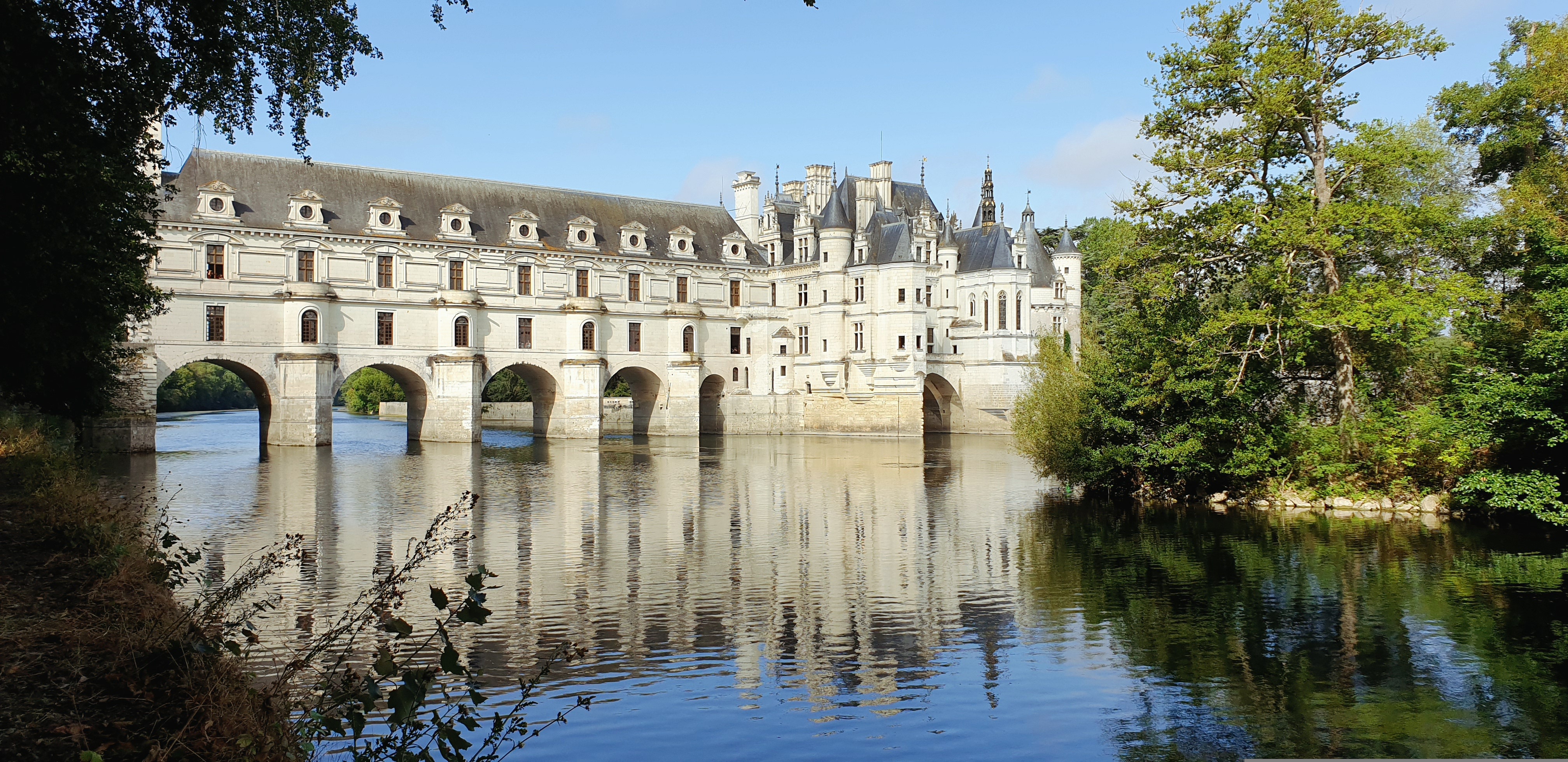
Château de Chenonceau
Castle History
Gracefully spanning the River Cher, Château de Chenonceau appears to float on water like a stone bridge turned palace. Its origins date to the early 16th century, when Thomas Bohier and his wife Catherine Briçonnet transformed a medieval mill site into a refined Renaissance residence. The château became famously shaped by powerful women, earning it the nickname "the Ladies' Castle." Diane de Poitiers, mistress of King Henry II, commissioned the elegant arched bridge that still defines the structure today. After Henry's death, Catherine de' Medici claimed the château and expanded it by building the long gallery across the bridge. Lavish balls, political meetings, and courtly intrigue filled its halls during the height of French Renaissance life. During the French Revolution, its survival was largely due to its practical value as a bridge and local hospital. In World War I, the gallery served as a military hospital, echoing once again with footsteps of care rather than ceremony. During World War II, the river beneath marked the boundary between occupied and free France. A hidden door at the far end of the gallery allowed members of the Resistance to escape across that dividing line. The château's gardens reflect the contrasting tastes of Diane de Poitiers and Catherine de' Medici. Art, tapestries, and rare furniture inside trace centuries of refined aristocratic life. Unlike many royal palaces, Chenonceau has always felt intimate, shaped by personal ambition rather than sheer royal power. Today it remains one of France's most visited castles, admired for the rare way history, architecture, and landscape merge into a single, luminous scene.