

< Back
Weikersheim Castle
Castle History
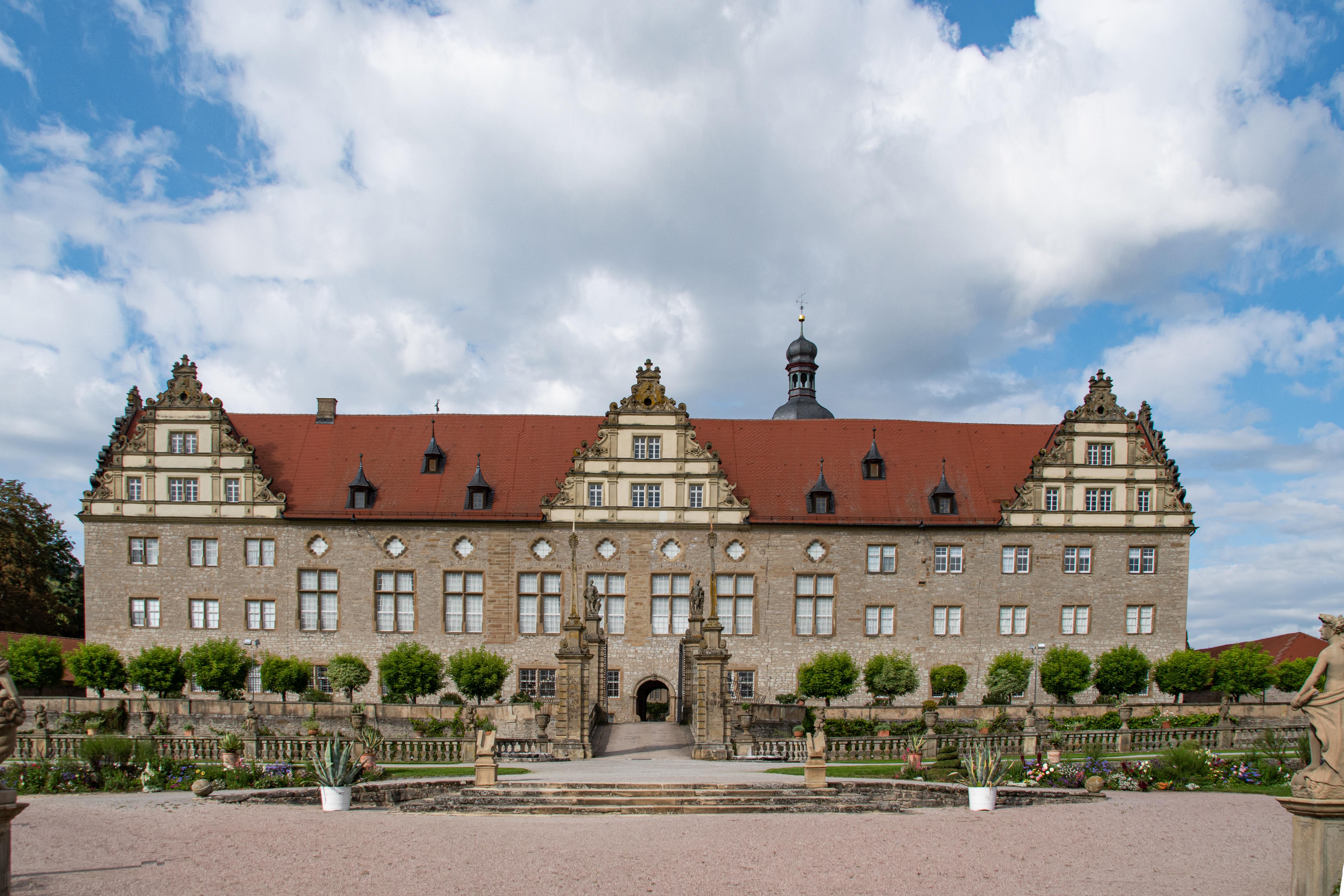
Rising gracefully amidst the Tauber Valley, Weikersheim Castle is one of Germany's most beautifully preserved Renaissance residences. Its origins date back to the 12th century, initially built as a fortified medieval stronghold before being transformed into a princely palace. The House of Hohenlohe acquired the castle in the 14th century, shaping much of its later grandeur. During the 16th century, extensive renovations introduced Renaissance architectural elements, including symmetrical façades and ornate gables. The castle's interiors are richly decorated with stucco ceilings, elaborate woodwork, and period furnishings that evoke aristocratic life. Its chapel contains remarkable frescoes and altarpieces, reflecting the religious devotion of its former residents. The surrounding gardens are designed in both Renaissance and Baroque styles, featuring terraced layouts, ornamental fountains, and manicured hedges. A famous orangery on the grounds once housed exotic plants and citrus trees imported from southern Europe. Weikersheim Castle survived the turmoil of wars and political changes largely intact, preserving its architectural integrity. It became a cultural center, hosting music festivals, art exhibitions, and historical reenactments that celebrate its rich past. The castle also contains a museum dedicated to the history of the Hohenlohe family and regional life. Visitors can explore the grand halls, towers, and courtyards, each reflecting centuries of noble taste and craftsmanship. Its combination of defensive medieval features and refined Renaissance elegance makes it architecturally unique. Weikersheim Castle stands today not only as a historical monument but as a vivid window into the aristocratic life, art, and culture of Renaissance Germany.