

< Back
Hengebach Castle
Castle History
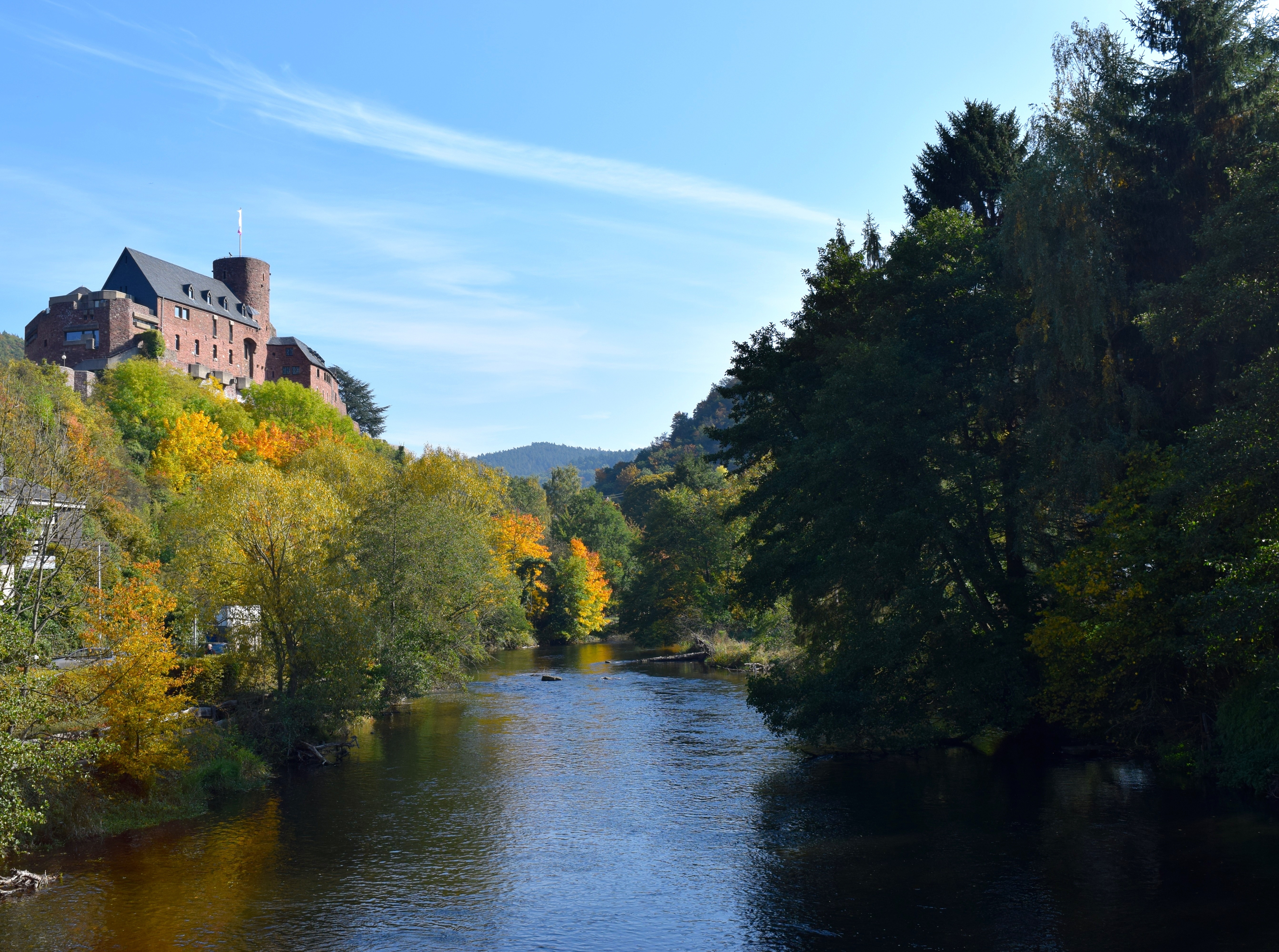
Hengebach Castle rises from the Eifel landscape near Heimbach, its stone walls encircled by a moat that hints at centuries of medieval strategy. The castle dates back to the 11th century, originally built as a defensive seat for local nobility overseeing the Rur Valley. Its thick walls and square towers reflect the military needs of a time when regional skirmishes were a constant threat. Over the centuries, Hengebach Castle evolved from a purely defensive fortress into a comfortable residence for the lords of Heimbach. The castle's position atop a rocky outcrop gave it a commanding view of trade routes and the surrounding forests. It played a role in regional conflicts, including territorial disputes between rival noble families and ecclesiastical authorities. During the Middle Ages, the castle's moat and drawbridge served as both protection and a symbol of status. Hengebach was partially rebuilt and renovated several times, blending medieval fortifications with later architectural styles. Inside, its halls once hosted local rulers and visiting dignitaries, combining defense with domestic life. The surrounding village grew in the castle's shadow, reflecting how castles often functioned as administrative as well as military centers. Hengebach Castle today hosts cultural events, exhibitions, and community gatherings, giving it a living presence beyond its historical role. Its towers and walls create dramatic silhouettes against the forested hills, attracting photographers and historians alike. Despite centuries of change, the castle retains a sense of continuity, connecting modern visitors with the lives of medieval inhabitants. Local legends speak of knights, hidden treasures, and the echoes of long-forgotten battles within its walls. Hengebach Castle endures as a testament to the adaptability of medieval fortifications, blending strength, residence, and legacy in one enduring structure.