


< Back
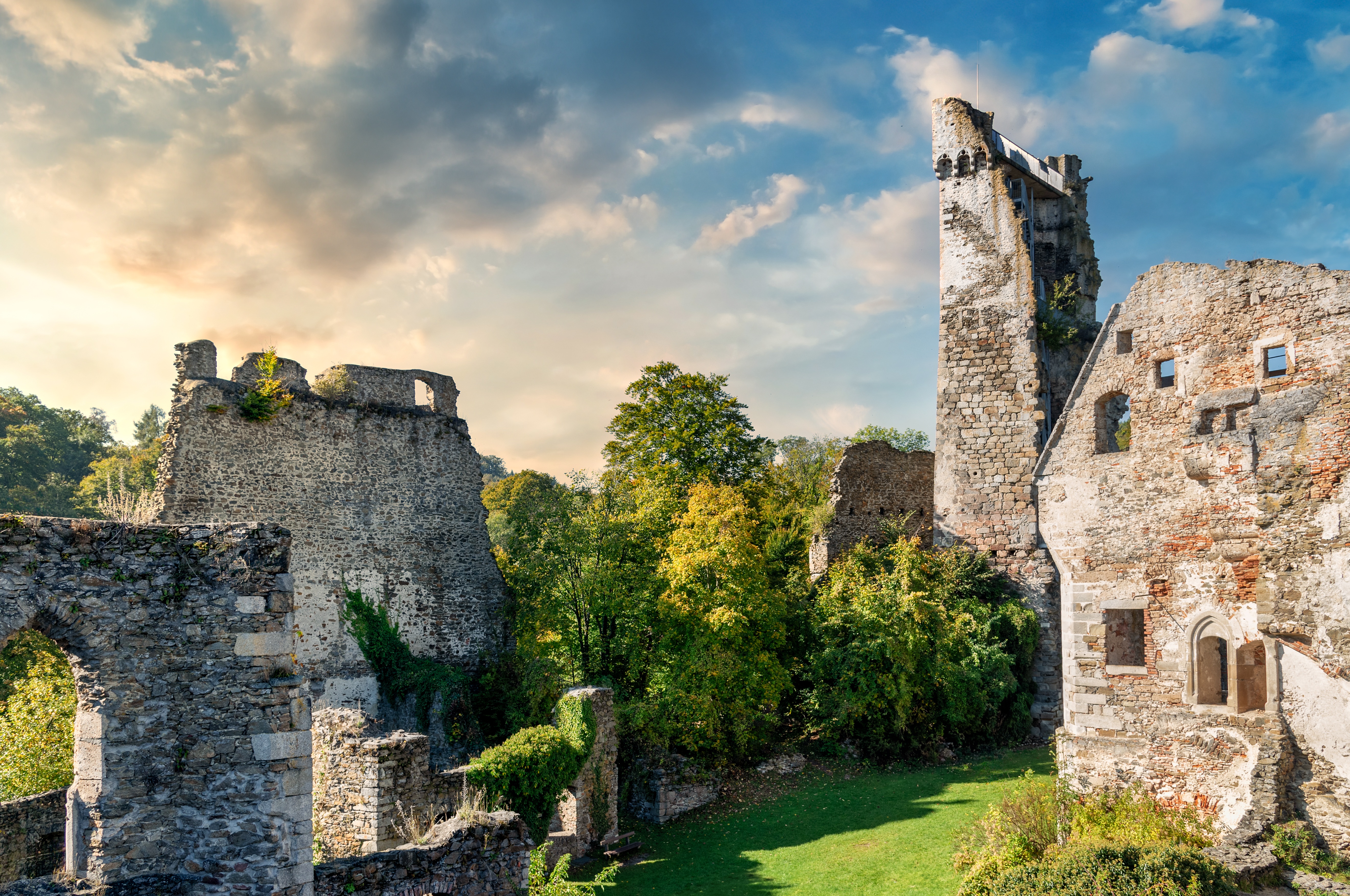
Schaunberg Castle
Castle History
Schaunberg Castle once dominated the hills above the Danube in Upper Austria, standing as the power center of the Counts of Schaunberg, one of the most formidable noble families in the region. Founded in the 12th century, the castle was strategically positioned to oversee trade routes along the Danube, turning geography into political leverage. Unlike many regional fortresses, Schaunberg was not merely defensive but aggressively symbolic, projecting authority over surrounding towns and rival lords. The Counts of Schaunberg ruled almost like independent princes, often challenging the growing influence of the Habsburgs. This tension erupted into the infamous Schaunberg Feud of the late 14th century, one of the most dramatic noble conflicts in Austrian medieval history. For years, the Schaunbergs resisted Habsburg pressure, using their castle network and alliances to hold their ground. In 1388, Duke Albrecht III of Austria finally crushed the rebellion, ordering Schaunberg Castle to be systematically destroyed. Unlike castles damaged by neglect or time, Schaunberg was deliberately dismantled to erase its political threat. The order that it never be rebuilt was as much a warning as a punishment, signaling the end of Schaunberg independence. As a result, the ruins that remain today feel abrupt and unfinished, frozen in the moment of their forced collapse. Walking the site reveals massive fallen walls and foundations that hint at the castle's former scale and strength. Its ruins stand in stark contrast to romanticized castles, carrying the weight of political violence rather than fairy-tale nostalgia. Today, Schaunberg Castle endures as a rare monument to a noble house that challenged a dynasty—and lost—leaving behind ruins that still whisper defiance centuries later.