

< Back
Kumamoto Castle
Castle History
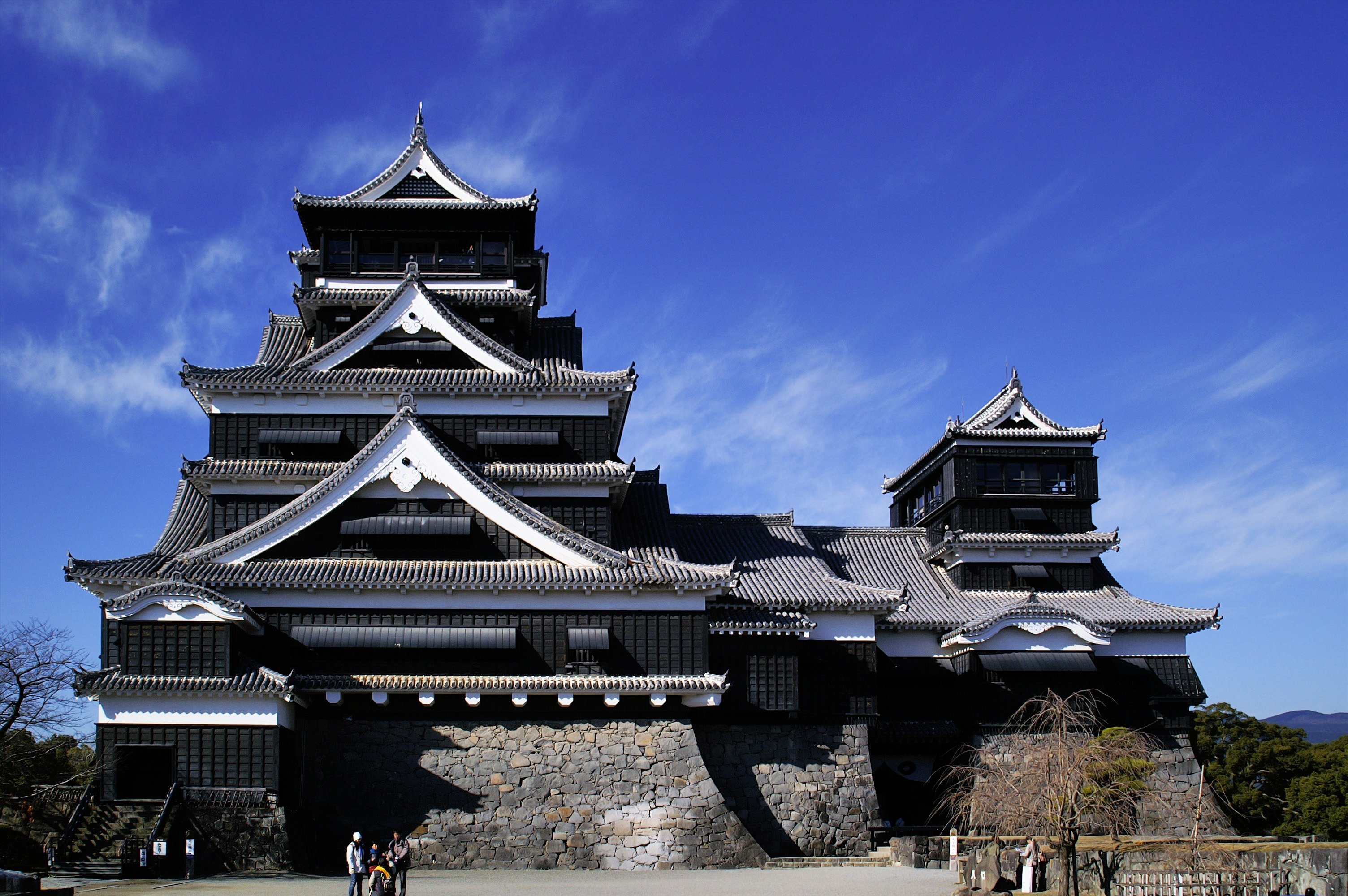
Kumamoto Castle stands as one of Japan's most impressive and formidable fortresses, renowned for its imposing size and ingenious defensive design. It was originally constructed in 1607 by Kato Kiyomasa, a famous samurai and castle architect, as the political and military center of Kumamoto Domain. The castle's walls are steeply angled, a technique known as "musha-gaeshi", designed to prevent attackers from scaling them, making the fortress exceptionally difficult to assault. Kumamoto Castle once featured over 50 turrets and watchtowers, creating a complex network of defensive positions that allowed defenders to dominate any approach. Its wooden interiors were masterfully constructed to withstand both human attack and natural disasters, showcasing the advanced engineering of the Edo period. The castle played a critical role during the Satsuma Rebellion of 1877, when it withstood a prolonged siege by rebel forces due to its sophisticated fortifications. Many of its towers, including the iconic Tenshu (main keep), were reconstructed in the 20th century following fires and destruction caused during conflicts and modernization. The castle's design cleverly integrates defensive traps, hidden passages, and narrow corridors to slow down and confuse intruders, reflecting strategic ingenuity. Kumamoto Castle remains a symbol of resilience and cultural heritage, attracting historians, tourists, and architecture enthusiasts from around the world. Visitors can explore reconstructed turrets, exhibit halls, and expansive grounds, gaining insight into feudal Japanese life and military strategy. Today, Kumamoto Castle stands not only as a monument to samurai-era engineering and artistry but also as a testament to the enduring spirit of the city and its people, who continue to restore and celebrate this national treasure.