

< Back
Glastonbury Tor
Castle History
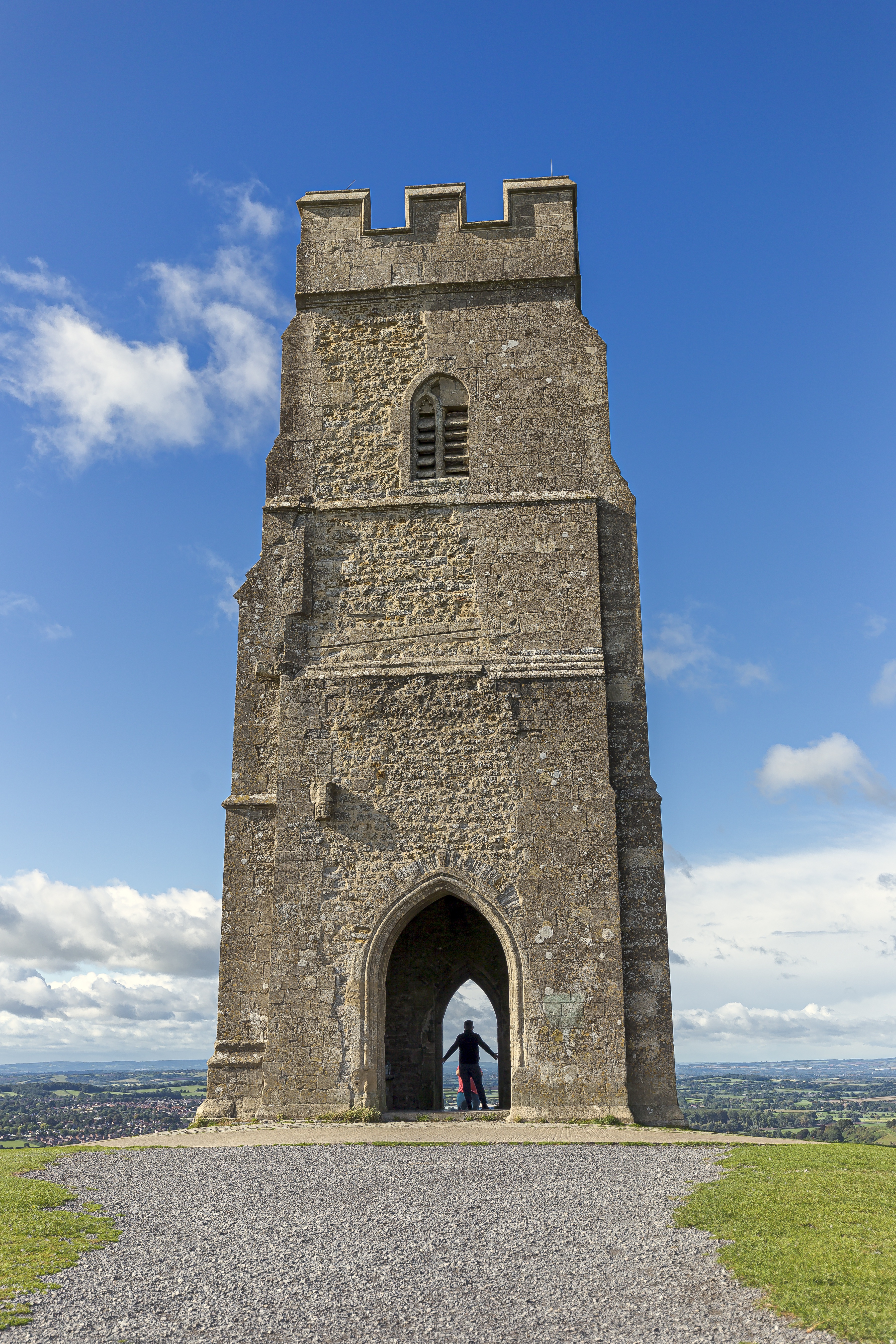
Glastonbury Tor rises abruptly from the Somerset Levels, a solitary hill crowned by the roofless tower of St Michael's Church. Long before the stone tower existed, the Tor was already a place of mystery, ritual, and myth. Archaeological evidence suggests human activity on the hill dating back thousands of years. The Tor is closely associated with Celtic mythology and later medieval legend, including stories of Avalon. Some traditions identify it as the entrance to the Otherworld or the resting place of King Arthur. The terraced slopes circling the hill may be the result of ancient agriculture, ritual pathways, or natural processes still debated today. In the Middle Ages, a church dedicated to St Michael was built at the summit, reinforcing the Tor's sacred status. The original church was destroyed by an earthquake in 1275, leaving only the tower that stands today. Medieval pilgrims once climbed the Tor as part of their spiritual journeys through Glastonbury. The site blends Christian symbolism with much older pagan associations in an unusual continuity of belief. Ley line enthusiasts consider the Tor a major node in England's network of sacred landscapes. From the top, the view stretches across what was once an island rising from marshland, adding weight to its legendary isolation. Artists, mystics, and writers have long been drawn to the Tor's stark presence and layered meanings. Despite modern tourism, the hill retains an atmosphere of quiet intensity. Glastonbury Tor endures as a place where geology, faith, folklore, and imagination have been stacking meaning on the same small hill for centuries.