


< Back
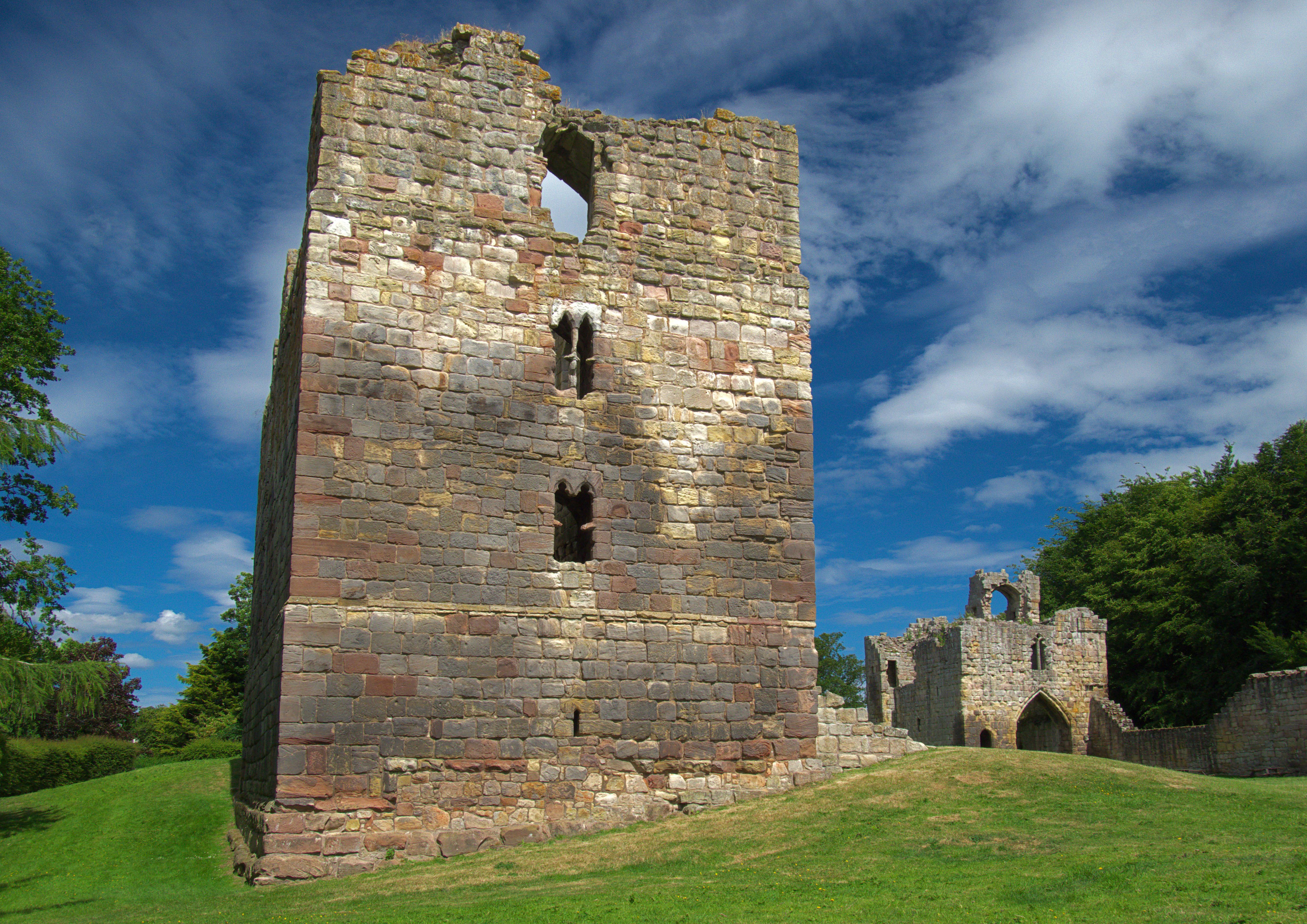
Etal Castle
Castle History
Etal Castle stands near the River Till in Northumberland, its ruined towers marking one of the most contested borderlands in medieval England. It was built in the mid-14th century by Sir William de Etal, during a period of constant warfare between England and Scotland. The castle's primary purpose was defensive, protecting the region from Scottish raids and border skirmishes. Unlike grand royal fortresses, Etal was a compact stronghold designed for resilience rather than display. Its strategic position made it a frequent target during cross-border conflicts. In 1513, the castle was captured by Scottish forces shortly before the Battle of Flodden. After the Scottish defeat at Flodden, Etal Castle was recaptured by the English. The damage from these conflicts left the castle militarily obsolete. Rather than being rebuilt, it was gradually abandoned, allowing its stone shell to weather naturally. The ruins still show thick curtain walls and the remains of corner towers. Etal Castle offers a clear example of how border fortresses differed from more decorative castles in southern England. Its proximity to the historic battlefield of Flodden adds weight to its historical significance. Surrounding farmland contrasts sharply with the violence once centered on the site. The castle's modest scale gives it an intimate, almost personal atmosphere. Etal Castle endures as a stark reminder of life on England's medieval frontier, where survival often mattered more than splendor. Standing among its ruins today, it is easy to imagine watchful eyes scanning the northern horizon, alert for the next ripple of danger along the border.