

< Back
Prudhoe Castle
Castle History
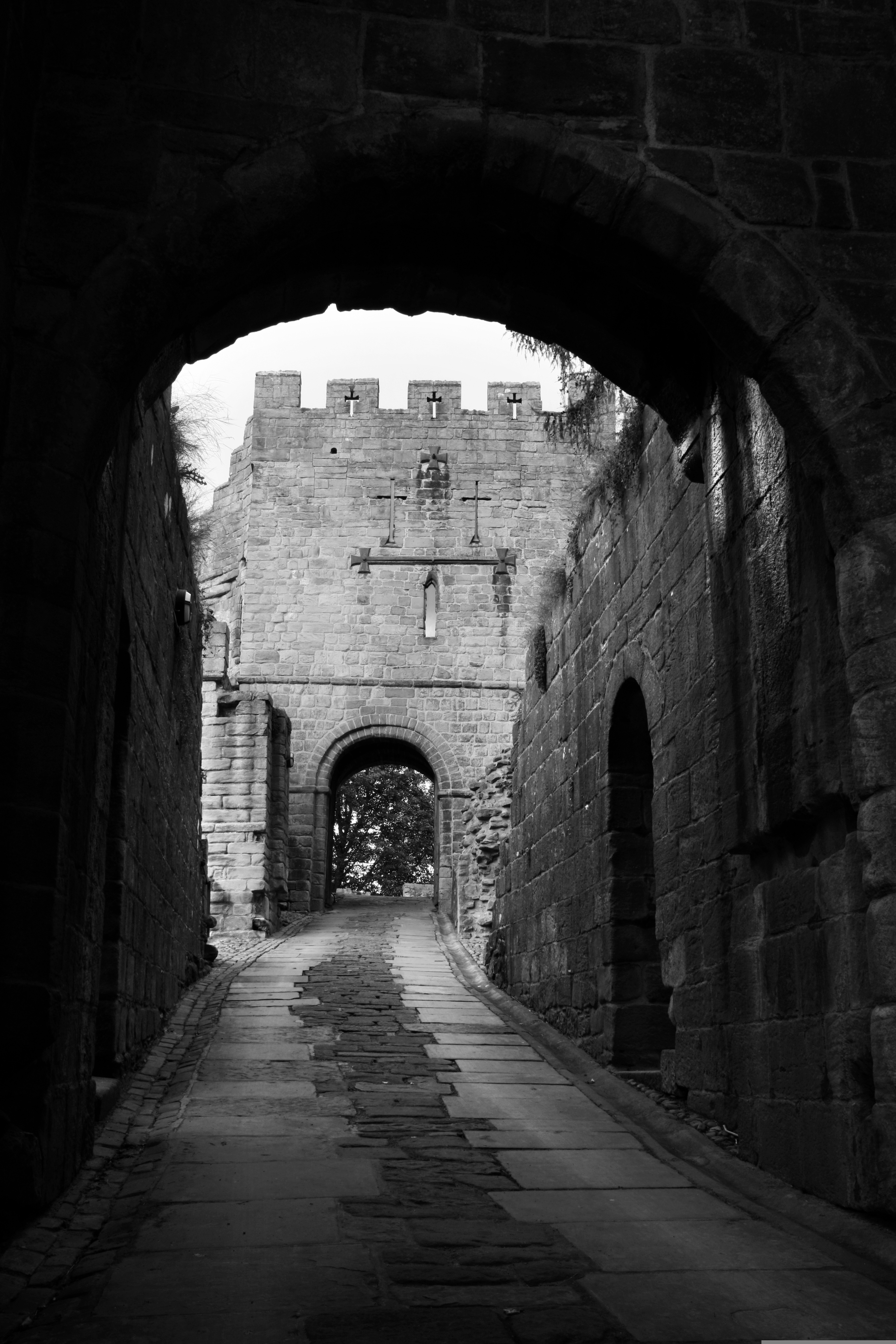
Prudhoe Castle crowns a wooded ridge above the River Tyne in Northumberland, its walls surveying a landscape shaped by centuries of conflict. It was founded in the late 11th century by the Norman baron Robert de Umfraville. The castle played a crucial role in defending England's northern frontier against Scottish incursions. Its strategic position allowed control of river crossings and key routes through the region. Prudhoe is notable for its massive Norman keep, which remains remarkably well preserved. Thick walls and narrow openings reflect the castle's original defensive priorities. Over time, additional curtain walls and towers were added to strengthen the stronghold. The castle endured repeated attacks, including sieges during Anglo-Scottish wars. In the 12th century, King Henry II briefly confiscated the castle after its lord rebelled. Despite periods of turmoil, Prudhoe remained in continuous use throughout the Middle Ages. Residential buildings inside the walls reveal how the castle also functioned as a noble household. Later centuries saw the castle's military importance gradually decline. Unlike many fortresses, Prudhoe escaped major destruction and decay. Its commanding views over the Tyne Valley highlight why the site was so fiercely contested. Prudhoe Castle stands today as one of the best-preserved Norman castles in northern England, embodying endurance, strategy, and medieval authority. Even in ruin, its stark stone geometry still communicates the uncompromising logic of Norman power carved directly into the landscape.