


< Back
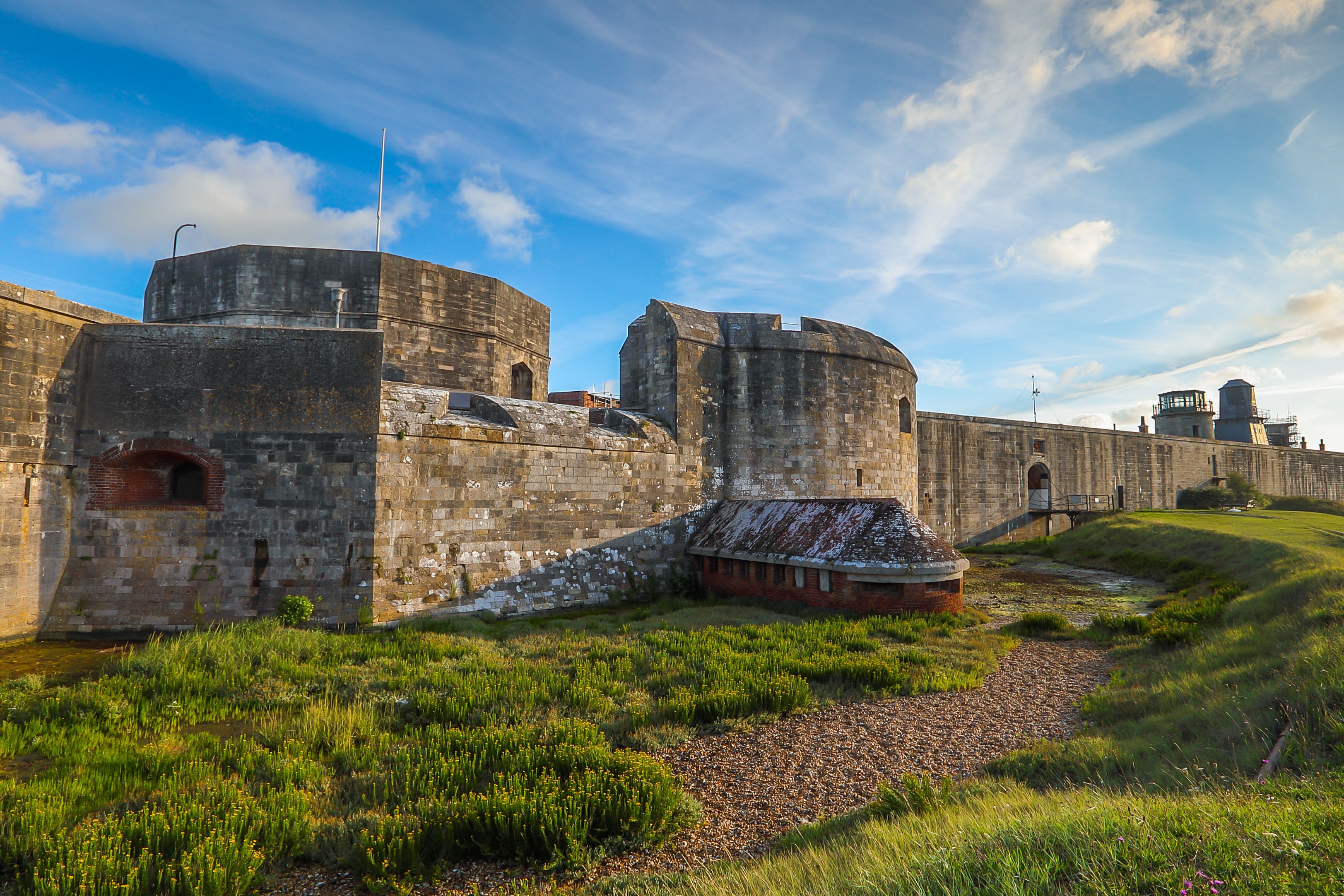
Hurst Castle
Castle History
Hurst Castle juts dramatically from a shingle spit on the Hampshire coast, surrounded on three sides by the waters of the Solent. It was originally built by Henry VIII in 1544 as part of his chain of coastal defenses against a feared invasion by France and the Holy Roman Empire. The castle's artillery fortifications were designed to protect ships entering the Solent and to guard the approaches to Southampton and Portsmouth. Its low, thick walls and angular bastions reflect the Tudor innovation of cannon-era military architecture. Over the centuries, Hurst Castle was expanded by successive monarchs, including Charles I, who reinforced it during the English Civil War. During the Civil War, it served as a prison for Royalist sympathizers, adding a darker chapter to its history. In the 19th century, the castle was further modernized with Victorian gun emplacements to counter new naval threats. Its position on the narrow spit made it both defensible and vulnerable to storms and coastal erosion. The castle's lighthouse, added in the 1860s, became essential for guiding ships safely past the treacherous sandbanks. Hurst Castle also served as a prison for Napoleonic prisoners of war, linking it to European conflicts far from the Solent. During both World Wars, the castle was reactivated to defend against German naval and air attacks. Today, much of Hurst Castle remains intact, including its original Tudor gun platforms and later Victorian fortifications. Visitors can explore the mix of Tudor, Civil War, and Victorian structures, each telling a different story of military strategy. The castle offers panoramic views across the Solent to the Isle of Wight, emphasizing the strategic importance of its location. Hurst Castle stands as a layered monument to centuries of coastal defense, evolving technology, and England's persistent concern with securing its shores.