


< Back
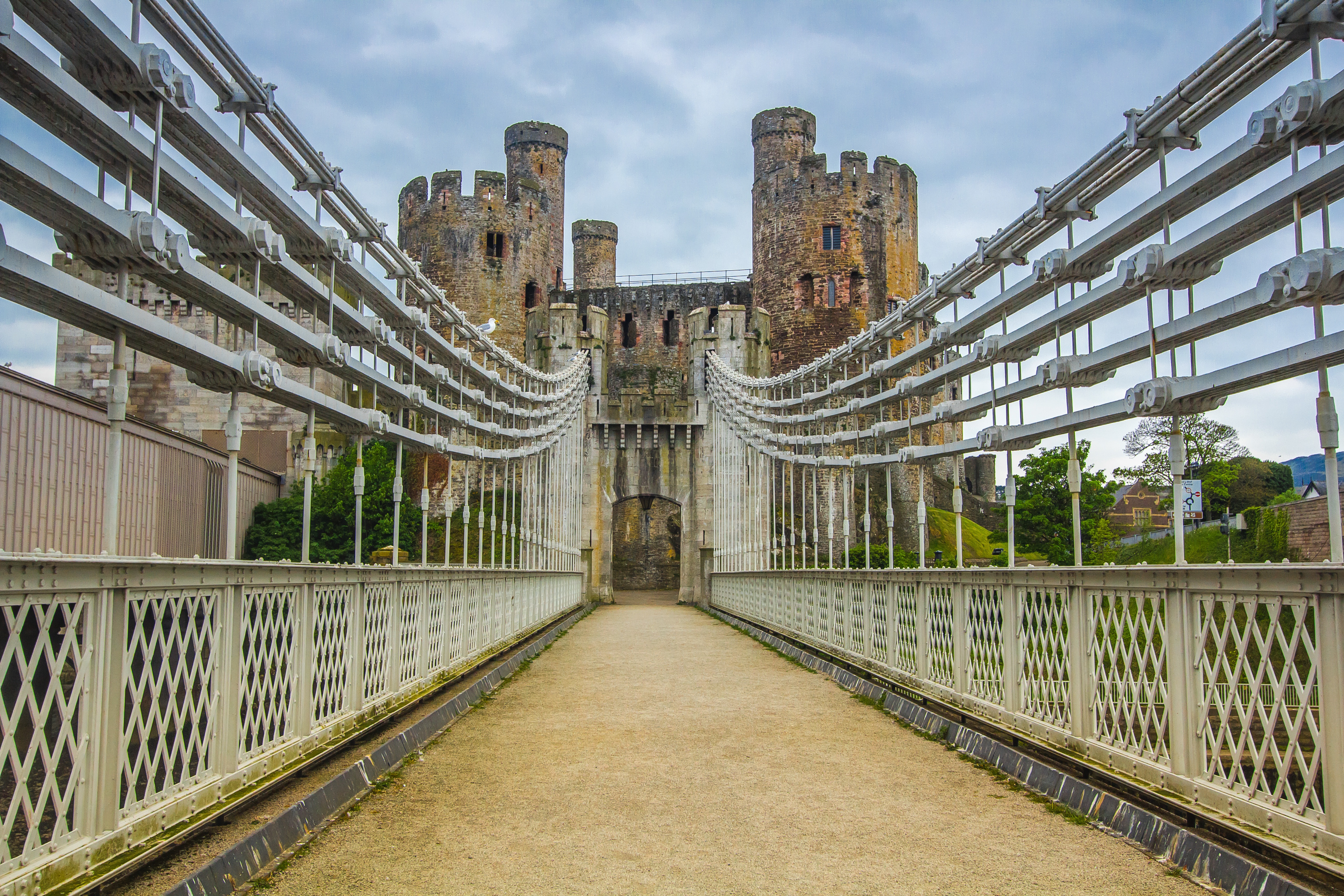
Conwy Castle
Castle History
Conwy Castle dominates the skyline of the town of Conwy in North Wales, its massive stone walls rising directly from the River Conwy. It was built between 1283 and 1289 by order of King Edward I during his campaign to conquer Wales. Designed by master architect James of Saint George, the castle exemplifies the height of medieval military engineering. Conwy's walls and eight massive towers were carefully planned to withstand both siege engines and scaling attempts. The castle was part of Edward I's "iron ring" of fortresses, designed to secure English control over the newly conquered territory. Its strategic location between the river and the town's defensive walls made it almost impregnable from attack. Conwy Castle played a critical role during the revolt of Madog ap Llywelyn in 1294-1295, holding out against Welsh forces. During the 15th century, it became involved in the conflicts of the Glyndŵr Rising, a major Welsh uprising. The castle later served as a royal residence, administrative center, and prison, showing its versatility over time. Unlike many medieval fortresses, Conwy remains remarkably well-preserved, retaining nearly all of its original towers and curtain walls. Its design influenced other castles in Wales and beyond, demonstrating the reach of Edwardian military architecture. Visitors today can walk the battlements and towers, experiencing the commanding views that made the castle so strategically important. Conwy Castle is part of a UNESCO World Heritage Site alongside the town walls, preserving both medieval urban planning and fortification. Standing within its walls, one can sense centuries of conquest, rebellion, and royal authority, making Conwy a living monument to medieval Welsh history.